
Industry 2026-09-08
JIASHILI Waterproof Coatings: Core Technical Advantages and Application Points for Bathroom and Roof Construction
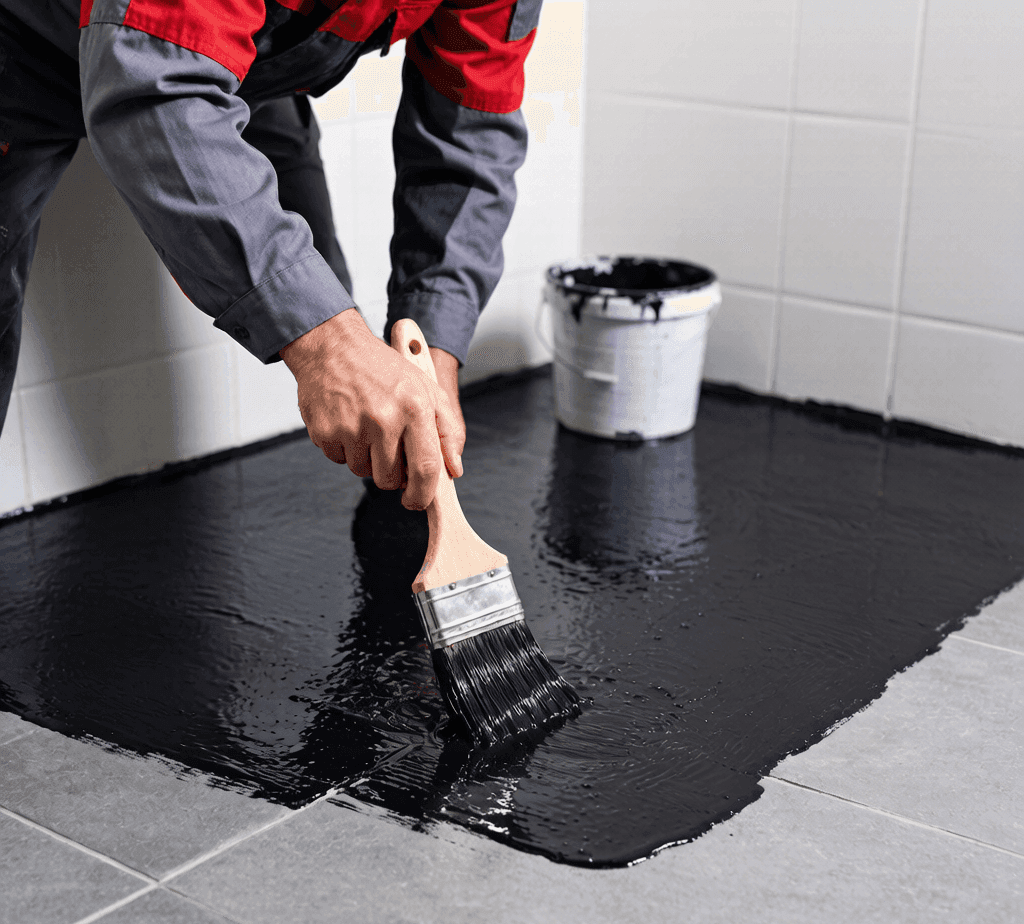
<h2>Application Scenarios and Core Performance Parameters of JIASHILI Waterproof Coatings</h2><p>Many renovation masters ask me about waterproof materials suitable for bathrooms. Several foremen I’ve worked with recently recommend JIASHILI’s water-based polyurethane waterproof coating, saying its service life in humid bathroom environments can exceed 8 years, much longer than the 5-year lifespan of ordinary acrylic waterproof coatings. The solid content of this JIASHILI product reaches 65%, and the thickness of the formed waterproof layer can reach 1.5 millimeters, fully meeting the long-term immersion requirements of bathrooms.</p><img src="/images/news/news-3-1.png" alt="卫生间防水涂料施工,工人涂刷防水层" /><p>Besides bathrooms, JIASHILI’s polymer cement-based waterproof coating also performs well on roofs. Last week I visited a newly delivered residential complex in Guangzhou for an after-sales follow-up and saw property staff laying the roof waterproof layer with this material. According to Master Wang, the on-site constructor, this material has strong UV resistance, and its service life outdoors can exceed 10 years, longer than the 7-year lifespan of traditional asphalt waterproof membranes. The tensile strength of JIASHILI’s polymer cement-based waterproof coating reaches 1.8MPa, and its elongation at break exceeds 200%. Even if tiny cracks appear on the roof, it can self-repair and prevent water leakage.</p><h2>Standard Construction Steps and Key Points for Bathroom Waterproof Coatings</h2><p>Bathroom waterproof construction is not as simple as applying two layers casually. I once saw a master rush the process and only apply a 0.8-millimeter-thick waterproof layer, resulting in leakage just six months after occupancy, which led to multiple complaints from the homeowner. According to JIASHILI’s technical requirements, bathroom waterproofing first requires surface preparation: all dust and oil stains on walls and floors must be cleaned off, and any cracks should be filled with cement mortar to prevent the coating from peeling off.</p><p>Next comes the painting step: the first coat should be thin to allow the coating to penetrate into the gaps in the substrate. After it dries completely, apply the second coat, with a thickness of over 1.2 millimeters to meet the standard. Areas prone to water accumulation, such as corners and around pipes, need extra attention and should be painted two more times for enhanced protection. After painting, conduct a 24-hour water retention test with the water level no less than 20 centimeters high to check for leaks downstairs; only after confirmation can tiles be laid.</p><img src="/images/news/news-3-2.png" alt="屋顶防水施工,防水卷材铺设" /><h2>Key Precautions for Roof Waterproof Construction</h2><p>Roof waterproof construction differs from bathroom work as it needs to account for complex outdoor environments. JIASHILI recommends applying a primer to the substrate before laying the waterproof membrane; wait until it is surface-dry before proceeding, and the overlap width must be no less than 100 millimeters to avoid leakage at joints. I saw a villa project in Foshan last month where the construction team followed these requirements strictly. After laying the membrane, a water spray test was conducted for 48 hours with no leakage observed.</p><p>After construction, protection is essential to prevent sharp objects from scratching the waterproof layer. For projects with rooftop greenery, lay a protective layer before planting grass, otherwise root penetration can damage the waterproof layer and cause leakage. If any damage to the waterproof layer is found, repair it promptly with the same type of coating, extending the repair area by at least 10 centimeters beyond the damaged part to ensure continuous waterproof performance. Choosing JIASHILI waterproof coatings guarantees reliable quality for both bathroom and roof construction.
Share:
BackRelated
Related Articles

JIASHILI Explains Core Indicators of Coating Weather Resistance: How to Judge Scrub Resistance and Actual Quality?
2026-09-08
JIASHILI Epoxy Floor Paint Construction Process Explained: From Substrate Treatment to Acceptance Standards
2026-09-08
JIASHILI eco-friendly children's paint helps create formaldehyde-free kids' rooms and protect children's respiratory health
2026-09-08