
Industry 2026-09-08
JIASHILI Water-based Industrial Paint vs. Solvent-based Coating: How to Choose for Industrial Coating?
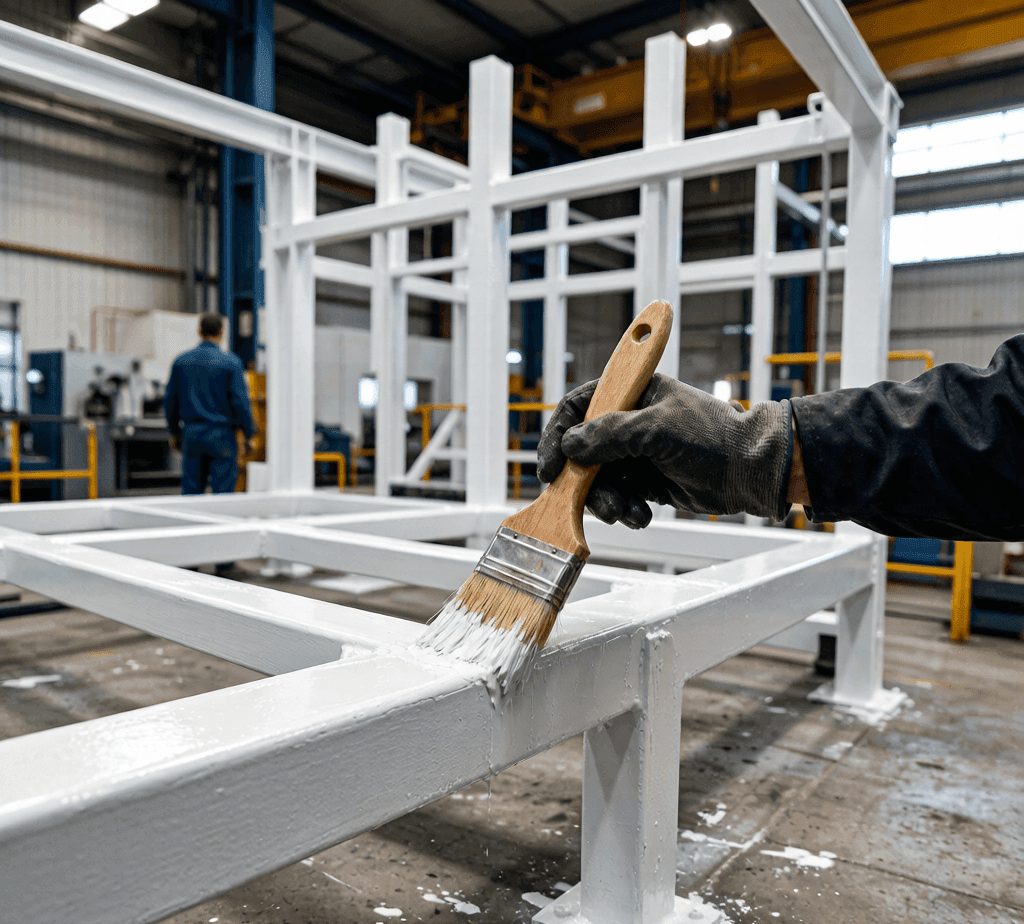
<h2>Core Differences Between JIASHILI Water-based Industrial Paint and Solvent-based Coating</h2><p>Many enterprises engaged in industrial coating struggle to decide between JIASHILI water-based industrial paint and solvent-based coating. The differences between the two are evident in production, construction, and final performance. Regarding environmental friendliness, the VOC content of JIASHILI water-based industrial paint is only 35g/L, far lower than the 120-180g/L limit for solvent-based coatings. It produces almost no pungent odor during construction, posing minimal harm to workers' health.</p><img src="/images/news/news-4-1.png" alt="Water-based industrial paint applied to steel structure, eco-friendly industrial coating construction" /><p>In terms of adhesion, the adhesion of JIASHILI water-based industrial paint to steel structures reaches grade 1, meaning it does not peel off at all; most ordinary solvent-based coatings only reach grade 2 and tend to blister when exposed to moisture for a long time. For weather resistance, the color difference ΔE value of JIASHILI water-based industrial paint after 500 hours of outdoor exposure is only 2.3, much better than the 4.7 of solvent-based coatings, extending its service life by 2-3 years.</p><h2>Selection Suggestions for Different Application Scenarios</h2><p>If the application is for the roof and walls of industrial plant steel structures, JIASHILI water-based industrial paint is the top recommendation. These scenarios have high environmental requirements and need the coating to withstand ultraviolet rays and rain erosion for a long time, and the comprehensive performance of water-based industrial paint matches these needs perfectly. A previous renovation of the steel structure workshop in an auto parts factory used JIASHILI water-based industrial paint; no complex ventilation facilities were required during construction, and the entire coating was completed in one week, with no peeling issues for three years thereafter.</p><p>If the application is for corrosion-resistant coatings in chemical plants or protective coatings on heavy machinery casings, solvent-based coatings are more suitable instead. These scenarios have extremely high requirements for the chemical resistance of the coating. JIASHILI's high-solid solvent-based coatings can withstand 20% concentration of sulfuric acid and sodium hydroxide corrosion, while the tolerance time of water-based industrial paints of the same grade is only about 60% of that. However, professional exhaust gas treatment equipment must be installed during construction of such scenarios to avoid excessive VOC emissions.</p><h2>Considerations of Comprehensive Cost and Long-term Benefits</h2><p>Many people think solvent-based coatings have a lower unit price, so choosing them saves money. But when considering maintenance costs later, the long-term benefits of JIASHILI water-based industrial paint are more prominent. Taking a 1,000-square-meter steel structure plant as an example, the initial coating cost of using JIASHILI water-based industrial paint is 15% higher than that of solvent-based coatings, but due to its longer service life and less frequent repainting needs, the total cost within three years is actually 22% lower. Currently, environmental regulations for industrial coating fields are becoming stricter. Choosing JIASHILI water-based industrial paint not only meets the latest VOC emission requirements but also helps enterprises obtain relevant green production subsidies, offering very high cost-effectiveness in the long run.<img src="/images/news/news-4-2.png" alt="Anti-corrosion coating effect on steel structure of industrial plant" /></p>
Share:
BackRelated
Related Articles
JIASHILI Explains Core Indicators of Coating Weather Resistance: How to Judge Scrub Resistance and Actual Quality?
2026-09-08
JIASHILI Epoxy Floor Paint Construction Process Explained: From Substrate Treatment to Acceptance Standards
2026-09-08
JIASHILI eco-friendly children's paint helps create formaldehyde-free kids' rooms and protect children's respiratory health
2026-09-08