
Industry 2026-09-08
JIASHILI explains the causes and practical solutions of latex paint color difference to help you solve wall color mismatch problems.
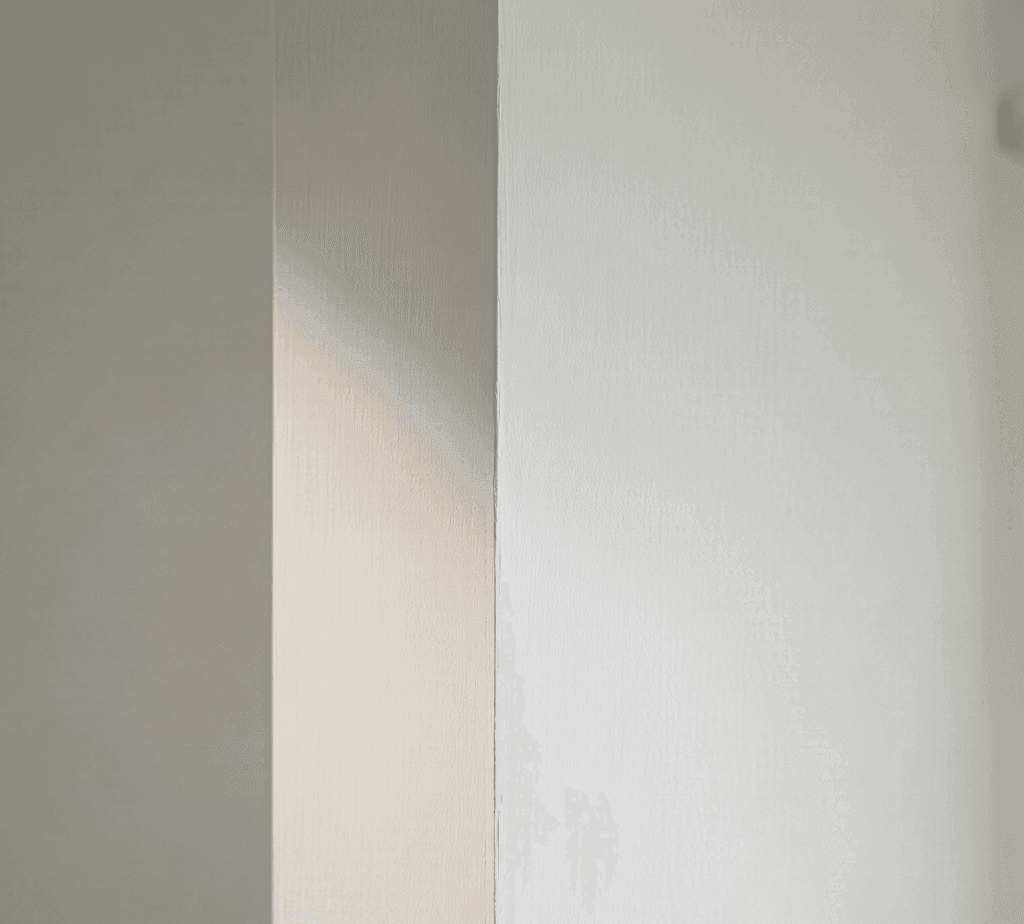
<h2>What are the common causes of latex paint color difference?</h2><p>Many homeowners notice obvious color differences on walls shortly after renovation, and most cases are related to the paint itself or the construction process. For example, if latex paint from the same batch is stored at temperatures above 30°C, pigment particles in the paint will clump together, creating uneven color patches after application. I once worked with a homeowner in Hangzhou whose living room wall used paint that had been stored for half a year; the area near the window was over one shade darker than the rest, and the difference was clearly visible to the naked eye.</p><img src="/images/news/news-7-1.png" alt="Latex paint wall color difference comparison, two different colored walls" /><p>Besides paint storage issues, construction humidity also has a significant impact. According to tests conducted by JIASHILI's laboratory, when the relative humidity at the construction site exceeds 85%, the drying speed of latex paint slows down by more than 30%, causing the newly applied paint to penetrate the still-wet film and result in color differences. In Shenzhen last year, a residential complex experienced widespread wall color differences; investigations revealed that contractors rushed the work and applied the second coat before the walls were fully dry during the rainy season.</p><h2>Specific steps to address latex paint color difference</h2><p>If color differences have already appeared on your walls, you don’t need to scrape off all the paint and repaint immediately—following these steps can save you time and money. The first step is to determine the extent of the color difference: dip a small brush into a little paint from the same batch and test it on the most affected area. If the color matches the surrounding area, only the local coating needs repair, and a full renovation is unnecessary.</p><p>The second step is local repair: gently sand off the discolored paint layer with fine sandpaper until the original wall base is exposed, then wipe away dust with a clean, damp cloth. After the wall is completely dry, apply two thin coats of the same-color latex paint, allowing at least two hours between coats. I helped a client in Guangzhou with a similar issue; the color difference in his bedroom was caused by uneven sunlight exposure, and after this repair, the difference was hardly noticeable. The entire process took less than three hours.</p><img src="/images/news/news-7-2.png" alt="Wall renovation construction, repainting latex paint" /><p>If the color difference covers a large area, such as an entire wall with uneven coloring, a full repaint is required. In this case, be sure to use a new batch of JIASHILI latex paint. Adjust the indoor humidity to between 40% and 60% before painting to prevent uneven film formation due to high humidity. Use the “cross-hatch method” when painting: apply one coat horizontally, then another vertically, to ensure the paint is distributed evenly and minimize the chance of color differences.</p><h2>Tips to prevent latex paint color difference</h2><p>Preventing latex paint color differences at the source is more effective than fixing them later. When buying latex paint, try to purchase enough for the entire project at once to avoid minor color variations between batches. If you must buy in batches, ask the seller to specify the production batch, and do a small test application on the wall first to confirm color consistency before starting large-scale painting.</p><p>Pay attention to details during construction as well: thoroughly clean oil stains and dust from the wall before painting, as these impurities can affect paint adhesion and cause local discoloration. Also, maintain a consistent paint thickness—too thin a layer leads to uneven coloring, while too thick a layer may crack. A thickness of 0.15-0.2 millimeters is ideal. Following these methods can help avoid over 90% of latex paint color difference issues.</p>
Share:
BackRelated
Related Articles
JIASHILI Explains Core Indicators of Coating Weather Resistance: How to Judge Scrub Resistance and Actual Quality?
2026-09-08

JIASHILI Epoxy Floor Paint Construction Process Explained: From Substrate Treatment to Acceptance Standards
2026-09-08
JIASHILI eco-friendly children's paint helps create formaldehyde-free kids' rooms and protect children's respiratory health
2026-09-08