Knowledge 2026-09-08
JIASHILI's two-component JS waterproof coating features excellent performance for various building waterproofing projects
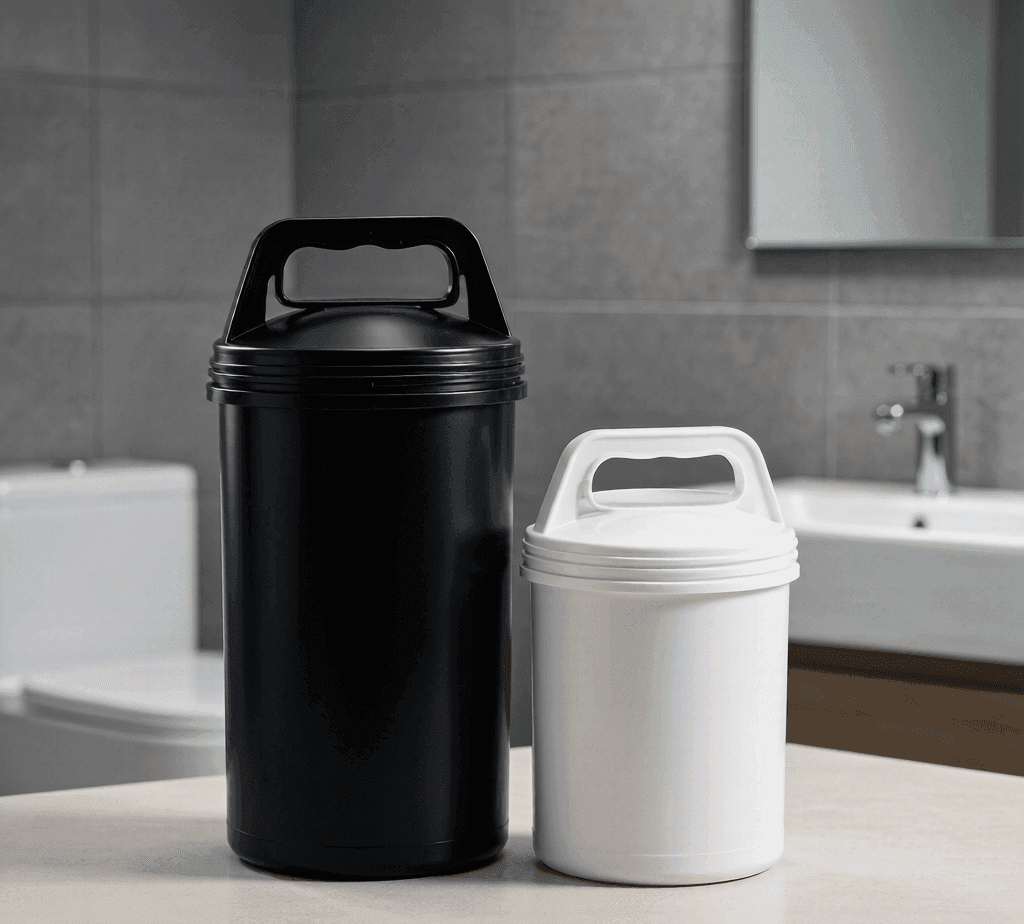
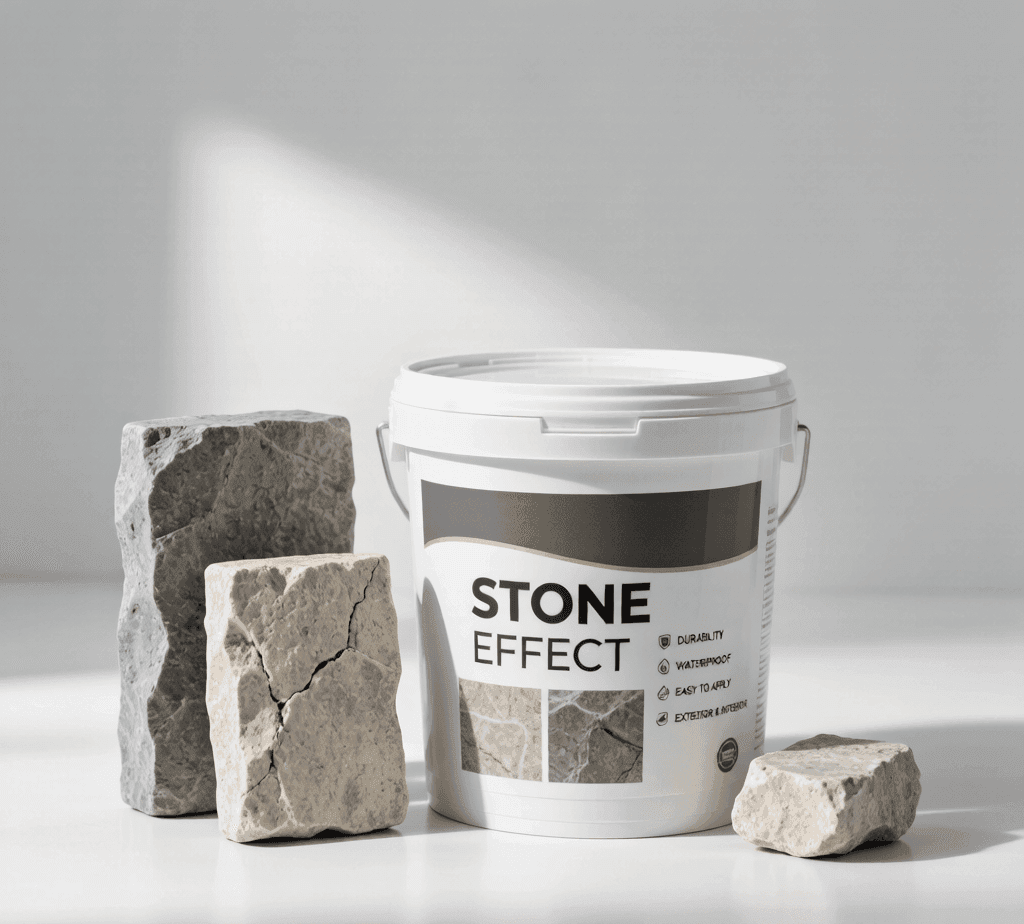
<h2>Core advantages of JIASHILI's two-component JS waterproof coating</h2><p>Several renovators I talked to recently mentioned that the biggest headaches when choosing waterproof materials are being unable to construct during rainy days or dealing with leaks that require rework later. JIASHILI's two-component JS waterproof coating, developed to address these pain points, solves these problems perfectly. This product uses a polymer-modified cement-based formula with 68% solid content, nearly 20% higher than that of ordinary single-component waterproof coatings, resulting in a denser film with stronger puncture resistance.</p><img src="/images/news/news-19-1.png" alt="JIASHILI JS waterproof coating two-component packaging, indicating ingredients and application scope" /><p>Test data shows that the tensile strength of the dried coating exceeds 1.5MPa; even if scratched slightly by sharp objects, no leakage will occur. Last week, I visited a waterproof renovation project in an old community in Hangzhou, where workers used this coating to finish painting 200 square meters of roof in one day, nearly 30% faster than using traditional materials.</p><h2>Correct construction steps for two-component JS waterproof coating</h2><p>Many users report leaks after construction, mostly due to non-compliant operations. In fact, the construction of JIASHILI's two-component JS waterproof coating is not complicated; just follow a few details to ensure optimal results. First, mix component A and component B in a weight ratio of 3:1 and stir for no less than 5 minutes until the slurry becomes uniform without particles.</p><p>Next, treat the base layer first to ensure there is no dust, oil stains or loose particles on the surface, as these will affect adhesion. Apply two coats: wait 4-6 hours for the first coat to dry to the touch before applying the second coat, and the directions of the two coats should be perpendicular to each other to form a dense waterproof layer. The construction temperature is best controlled between 5°C and 35°C; below 5°C, the coating will cure more slowly, affecting the final result.</p><img src="/images/news/news-19-2.png" alt="Workers applying JIASHILI JS waterproof coating to create a uniform waterproof layer" /><h2>Reliable performance across multiple scenarios</h2><p>Since its launch last second half of the year, this JIASHILI two-component JS waterproof coating has been used in over 100,000 square meters of various buildings, including rooftops, basements and bathrooms of residential buildings, as well as balconies and swimming pool perimeters of commercial buildings. Many project managers reported that after six months of inspection, the waterproof layers in these areas remained intact, with no cracking or leakage.</p><p>If you are planning a waterproof project, consider choosing JIASHILI's two-component JS waterproof coating – both its construction efficiency and long-term durability meet all requirements. Order now to enjoy exclusive discounts; click the official website link to place an order and receive delivery to your site as soon as the same day.
Share:
Back