
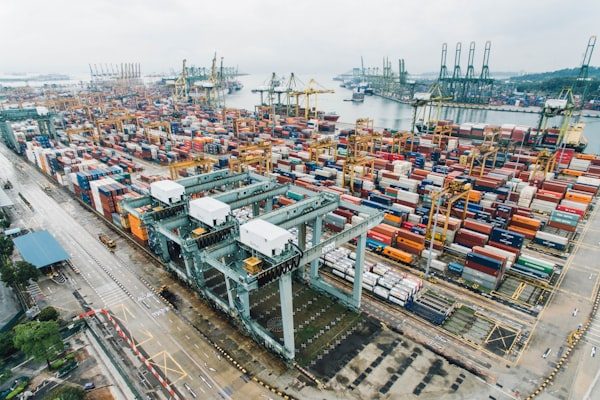
Global Export of Coating Raw Materials
From resins to additives, stable supply at the source of formulation. Helping overseas coating factories reduce procurement costs and ensure batch consistency.
Fully Traceable, From Source to Port
Every step is recorded and traceable
Direct Sourcing
Direct from 40+ source plants, no middlemen
Batch Testing
Sampling & COA for every batch
Compliant Export
Full documentation for destination market
Port Delivery
Flexible FCL/LCL, trackable shipping
Six Raw Material Categories · One-Stop Sourcing
Resins, pigments, additives, fillers and solvents fully covered
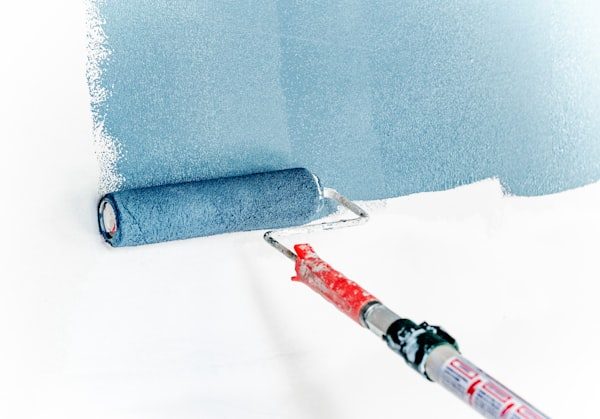 SKU-001Resin
Acrylic Resins
Common binder for architectural and industrial coatings with good gloss and weather resistance.
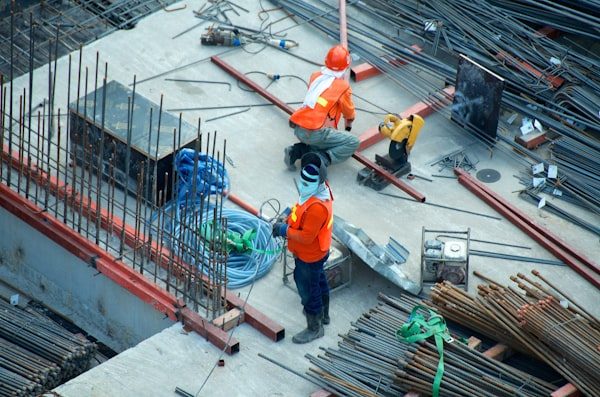 SKU-002Resin
Epoxy Resins
Core raw material for anti-corrosion, flooring and adhesive fields with strong adhesion.
 SKU-003Pigment
Pigments & Color Pastes
Inorganic/organic pigments and high-concentration color pastes with stable color and good dispersion.
 SKU-004Additive
Additives
Dispersants, defoamers, leveling agents, thickeners, etc. to improve coating performance.
 SKU-005Filler
Functional Fillers
Talc, calcium carbonate, barium sulfate to improve mechanical and construction performance.
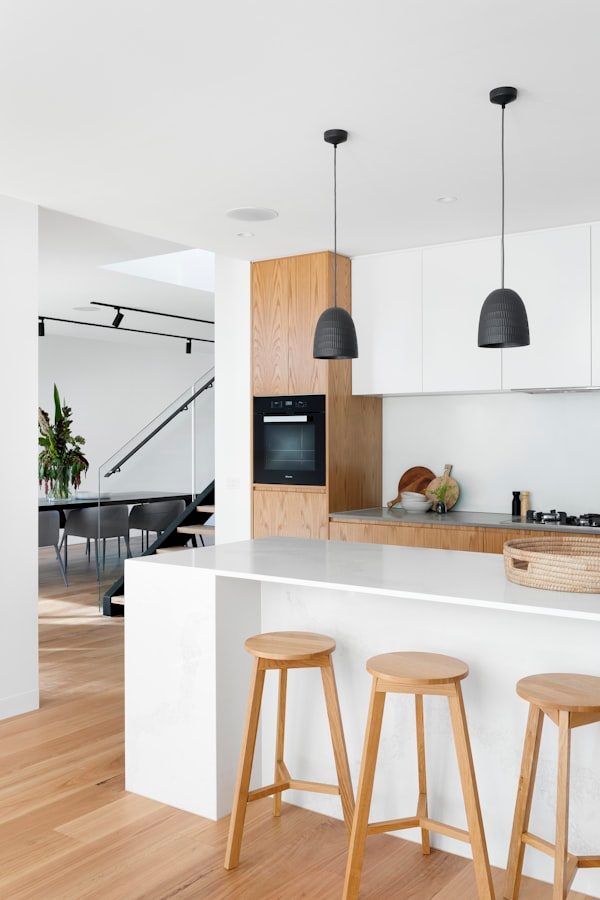 SKU-006Solvent
Eco-friendly Solvents
Low odor, low VOC solvents meeting increasingly strict environmental regulations.
Why Global Paint Factories Choose Us
Direct sourcing
Long-term cooperation with leading resin, pigment and additive factories for better costs.
Batch COA
Each batch comes with test reports, traceable to raw material batch and key indicators.
Flexible shipping
Support FCL, LCL, air freight and door-to-door logistics as needed.
Compliance support
Provide full export documents including MSDS, hazardous packaging certificate and transport appraisal.
From Inquiry to Port, Fully Transparent & Controlled
Raw Material Selection
Recommend suitable specifications and brands based on formulation system, with sample validation.
Quotation Confirmation
Provide CIF/FOB and other trade term quotations based on volume and route.
Export Documents
Prepare MSDS, COA, hazardous packaging certificate and customs documents for compliant shipment.
Port Delivery
Logistics tracking and customs clearance assistance to safely deliver raw materials to factory warehouse.
Real Service Cases
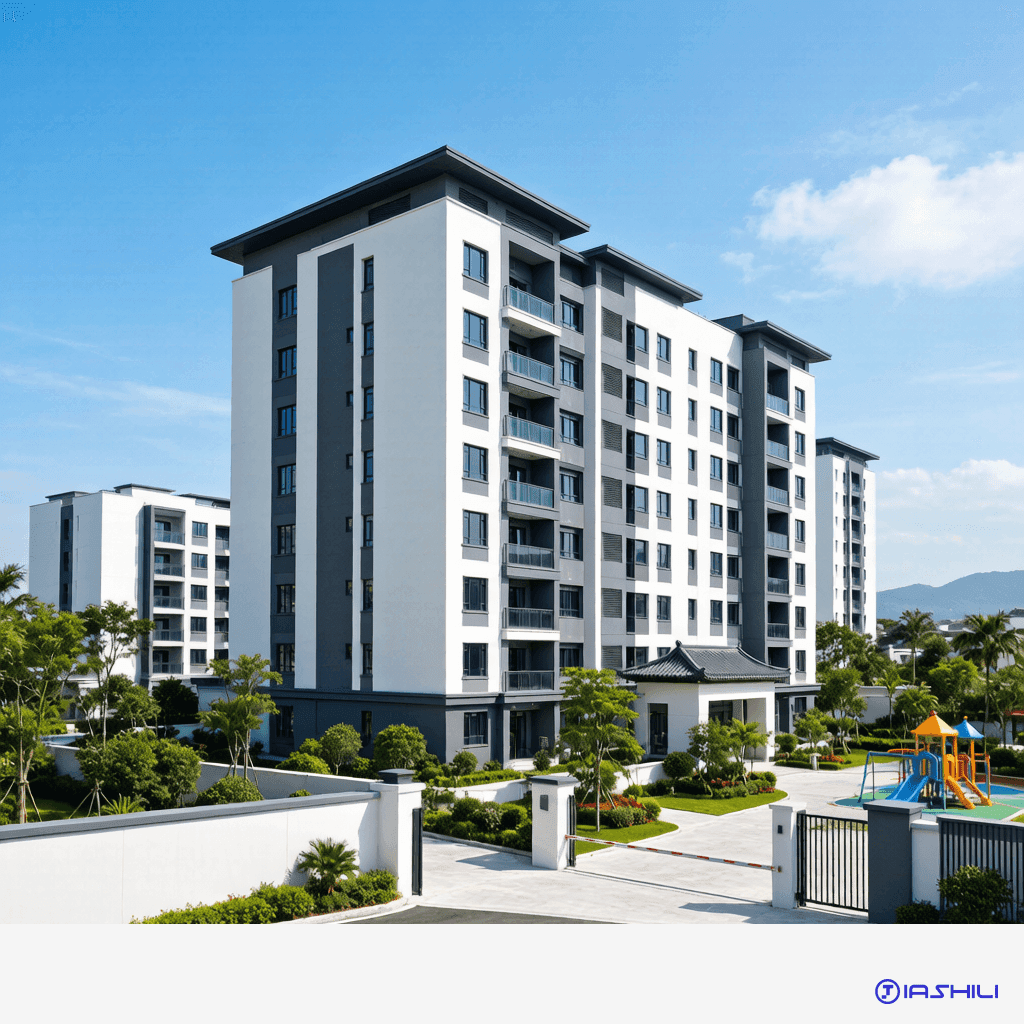
Cambodia Arc de Triomphe Commercial Center
Located in the core business district of Phnom Penh, Cambodia, this large-scale commercial complex operates under a tropical monsoon climate with annual temperatures exceeding 30°C, UV intensity reaching level 9, and annual rainfall surpassing 2000mm. The exterior walls must withstand intense UV radiation and persistent rain exposure, which easily causes coating powdering, cracking, and peeling; thus, the coatings require exceptional weather resistance and crack resistance. The technical plan adopts weather-resistant exterior paint as the main material, paired with specialized alkali-resistant primer and elastic crack-resistant topcoat. The self-crosslinking film-forming technology is employed to create a dense protective layer, meeting the construction requirements in high-humidity environments and preventing coating detachment caused by alkali penetration from the substrate. Prior to application, the wall surface undergoes grinding and dust removal to ensure a flatness deviation of no more than 3mm. During construction, the ambient temperature must be maintained between 20-35°C with relative humidity below 85%. The standard application procedure involves one coat of primer, two coats of topcoat, and one coat of finish, with the total dry film thickness reaching over 150μm. After completion, tests show the coating withstands over 2000 hours of artificial aging, with adhesion rated at grade 1, scrub resistance exceeding 10,000 cycles, and waterproof performance meeting Class I of GB/T 19250-2013 standards. The client praised the coating’s lasting color and excellent crack resistance, and a 5-year warranty is provided for subsequent maintenance.
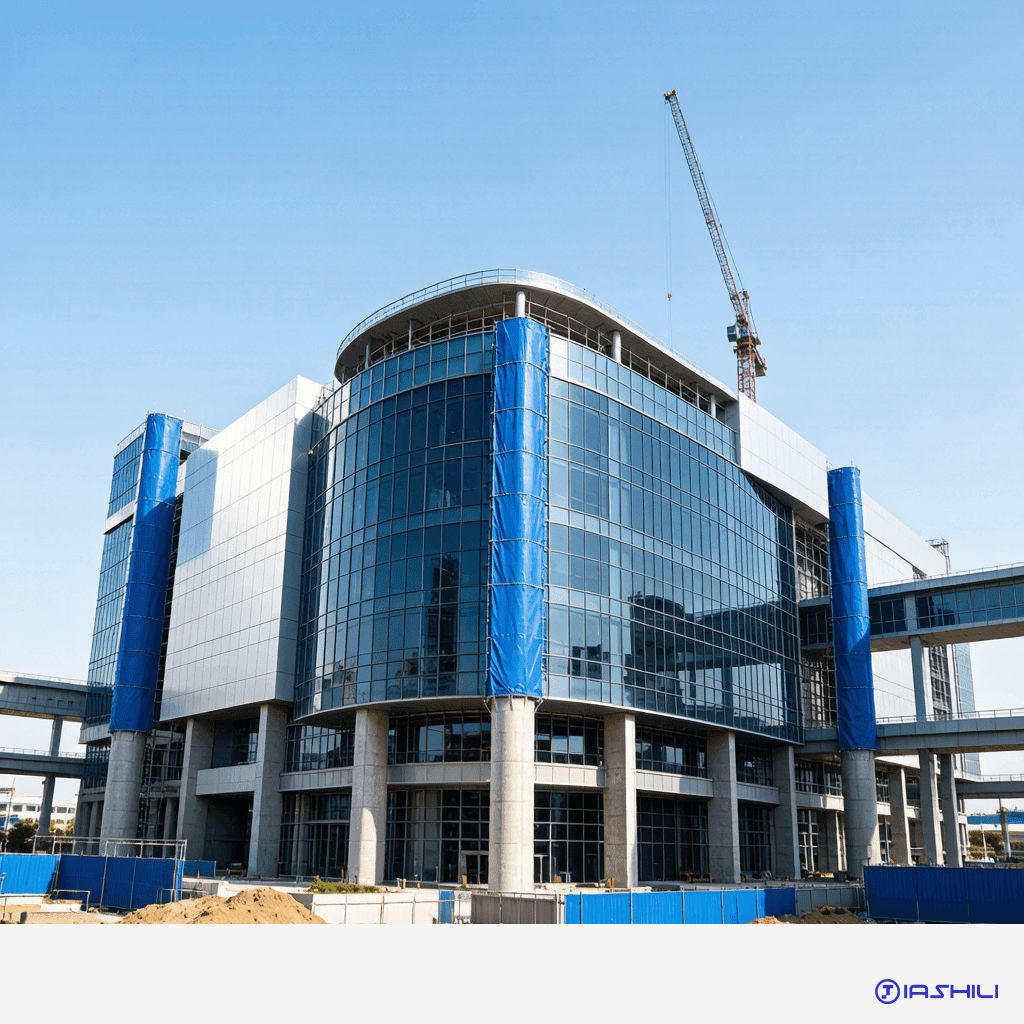
Cambodia Chinatown
Located in the core business district of Phnom Penh, Cambodia, this project is a large-scale commercial complex integrating shopping, dining and entertainment, with a total construction area of 120,000 square meters and over 36,000 square meters of exterior wall area. As the region has a tropical monsoon climate with high temperature, heavy rainfall and ultraviolet radiation intensity up to 1800 kWh/m² throughout the year, traditional exterior coatings are prone to fading and peeling, failing to meet the durability requirements for long-term use. Therefore, the project owner set extremely high standards for the weather resistance, crack resistance and decorative performance of the exterior coating. The technical plan adopts a three-layer composite coating system: the primer layer uses an alkali-resistant sealing primer with adhesion strength ≥5MPa to effectively block the penetration of alkaline substances from the wall; the middle layer is water-in-sand multicolor paint with particle size ranging from 0.1 to 0.3mm, featuring a covering power ≥98% to perfectly reproduce stone-like textures; the top layer is a weather-resistant exterior paint with artificial aging resistance time ≥6000 hours, and finally a transparent clear coat with solid content ≥45% is applied to form a dense protective layer via self-crosslinking film formation. Before construction, the substrate must be thoroughly treated to ensure its strength ≥10MPa and flatness error ≤2mm. After removing surface dust, oil stains and loose materials, the alkali-resistant sealing primer is applied. Once it dries completely, elastic crack-resistant putty is applied to utilize its crack-resistant property to offset the cracking risk caused by minor wall deformations. Then the water-in-sand paint is sprayed with a wet film thickness controlled between 0.8 and 1.2mm, and finally the clear coat is applied to guarantee leveling performance and avoid orange peel defects on the surface. After completion, third-party testing showed that the coating's artificial aging resistance time reached 6200 hours, far exceeding the designed requirement of 6000 hours; the crack resistance performance was tested to withstand substrate deformation of ≥1.5mm without cracking, and the covering power remained above 99%, perfectly replicating the texture of natural stone. This coating system demonstrates excellent stability in the high-temperature and high-humidity environment of Cambodia, with an expected service life of over 15 years, providing a reliable durable solution for exterior decoration of local commercial buildings.
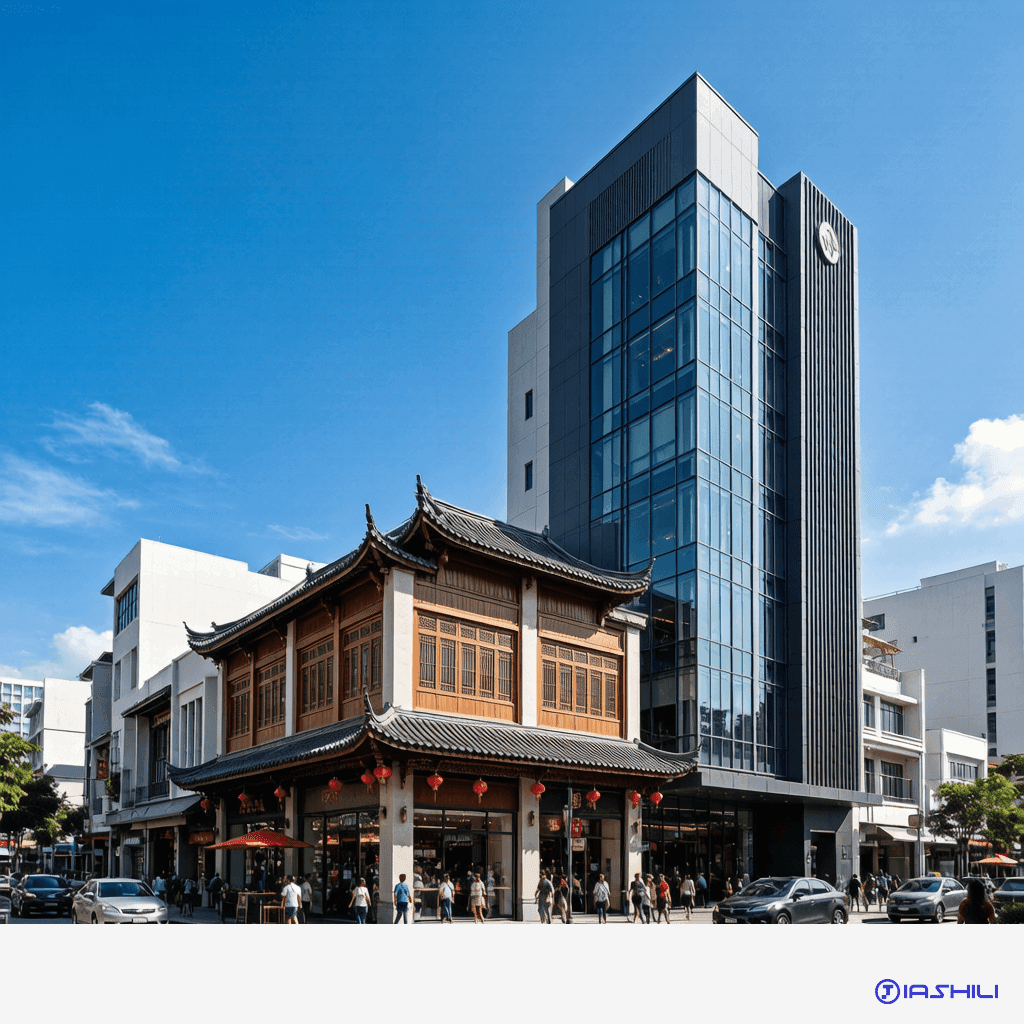
Myanmar People's Assembly Hall
This project involves a national-level public building in Myanmar that serves as a venue for parliamentary deliberations and official receptions. The exterior walls must withstand intense ultraviolet radiation and high humidity typical of the tropical monsoon climate, while the interior walls need to endure frequent human contact, imposing extremely strict performance requirements on coatings. The technical plan adopts a layered matching system: surface preparation involves grinding and dust removal to ensure the substrate meets specified roughness standards. First, an interior alkali-resistant primer with adhesion strength ≥ grade 1 is applied to block alkaline substances from seeping out of the wall, followed by applying 5-in-1 lotus leaf interior emulsion paint with a film thickness of 25μm. For the exterior, travertine art paint with a film thickness of 30μm is used to integrate decorative and protective functions. The construction process strictly follows standardized procedures: the substrate must be free of floating dust and loose particles prior to coating. The alkali-resistant primer is applied in two coats with a 2-hour interval between coats, the interior emulsion paint is applied in two layers to achieve a total film thickness of no less than 25μm, and the exterior art paint is sprayed after being troweled into shape, with environmental humidity controlled below 70% to guarantee good leveling properties. Post-completion tests show that the coating has an adhesion strength ≥ grade 1, withstands artificial aging for over 2000 hours, endures 2000+ scrub cycles, meets the Class I waterproof standard stipulated in GB/T 17219, and has a VOC content of only 28g/L, far below national limits, fully meeting the long-term usage requirements of the assembly hall.
FAQ
Stable Raw Material Supply, Quality Controlled at the Source
Tell us your formulation needs and get raw material selection and export solutions.