
Products
Full-range coatings & building material solutions
Found 137
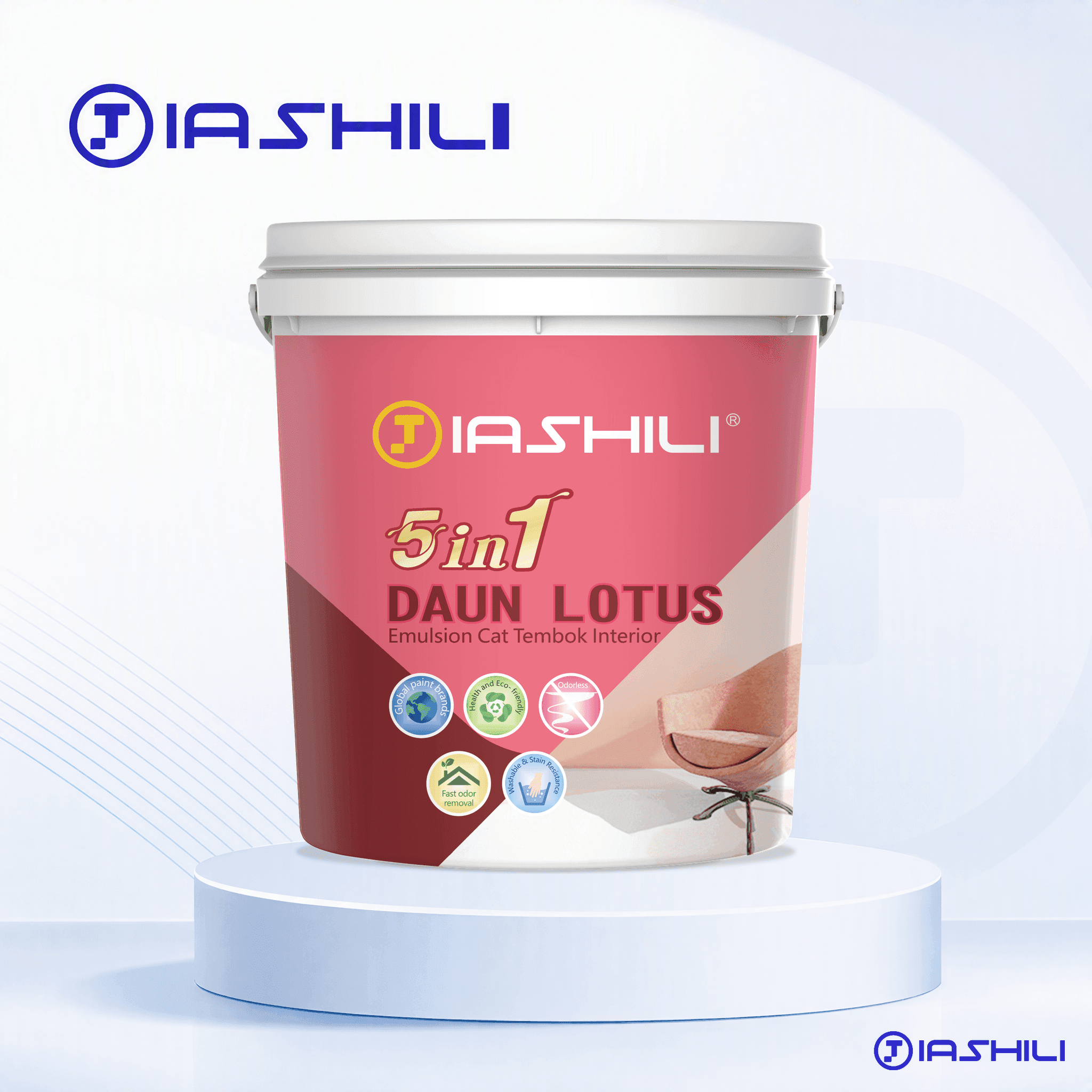 JSL-5IN1-DL
5 in 1 DAUN LOTUS Interior Emulsion Paint
JIASILI 5 in 1 DAUN LOTUS interior emulsion adopts lotus-leaf biomimetic hydrophobic technology. The dense, smooth film delivers five-fold protection: alkali resistance, anti-mould, scrub resistance, low odour and high hiding power — keeping interior walls and ceilings pristine for years.
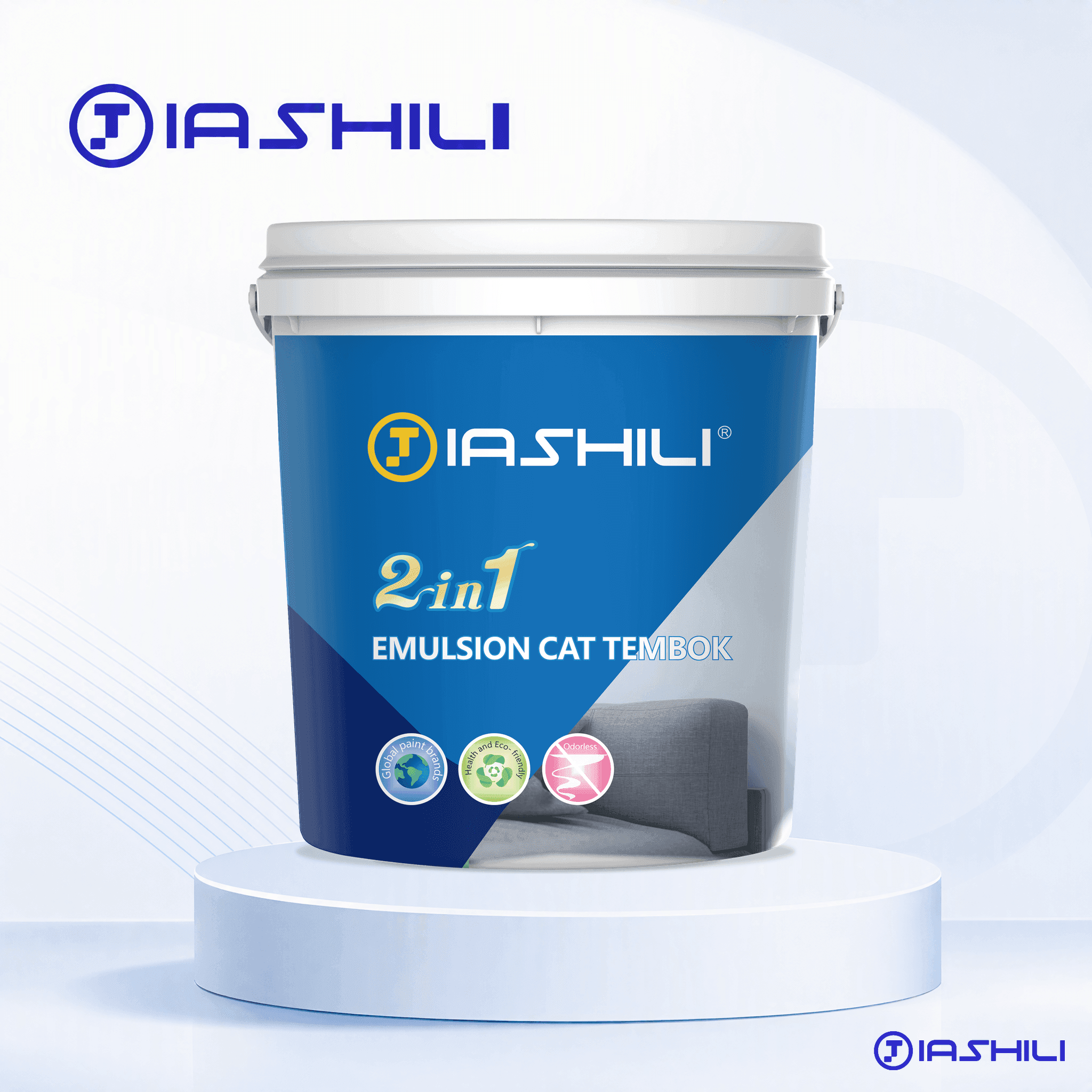 2 in 1
2 in 1 Interior Emulsion Paint
2 in 1 Interior Emulsion Paint by JIASILI. Premium quality for reliable performance.
 Water
WaterWater
XJ-DI Water is a deionized water specifically formulated for coating production. Its conductivity is ≤10us/cm (as low as below 5us/cm for high-end formulations), pH value remains stable between 5.0 and 8.0, and hardness is nearly zero. This ensures no interference from impurity ions, guaranteeing excellent water resistance of the paint film and stable storage performance of the coating.
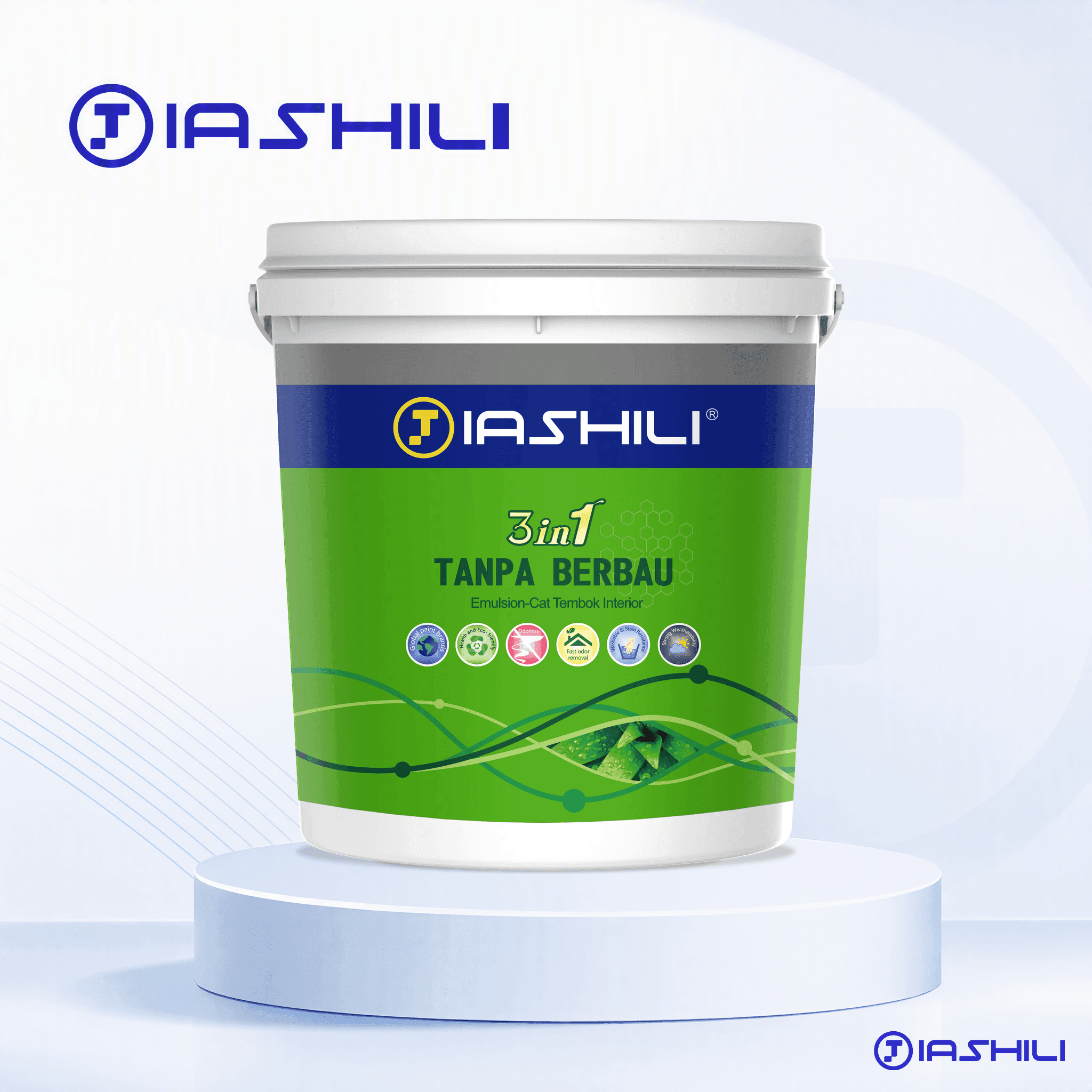 3 in 1 Green
3 in 1 Interior Emulsion Paint
3 in 1 Interior Emulsion Paint by JIASILI. Premium quality for reliable performance.
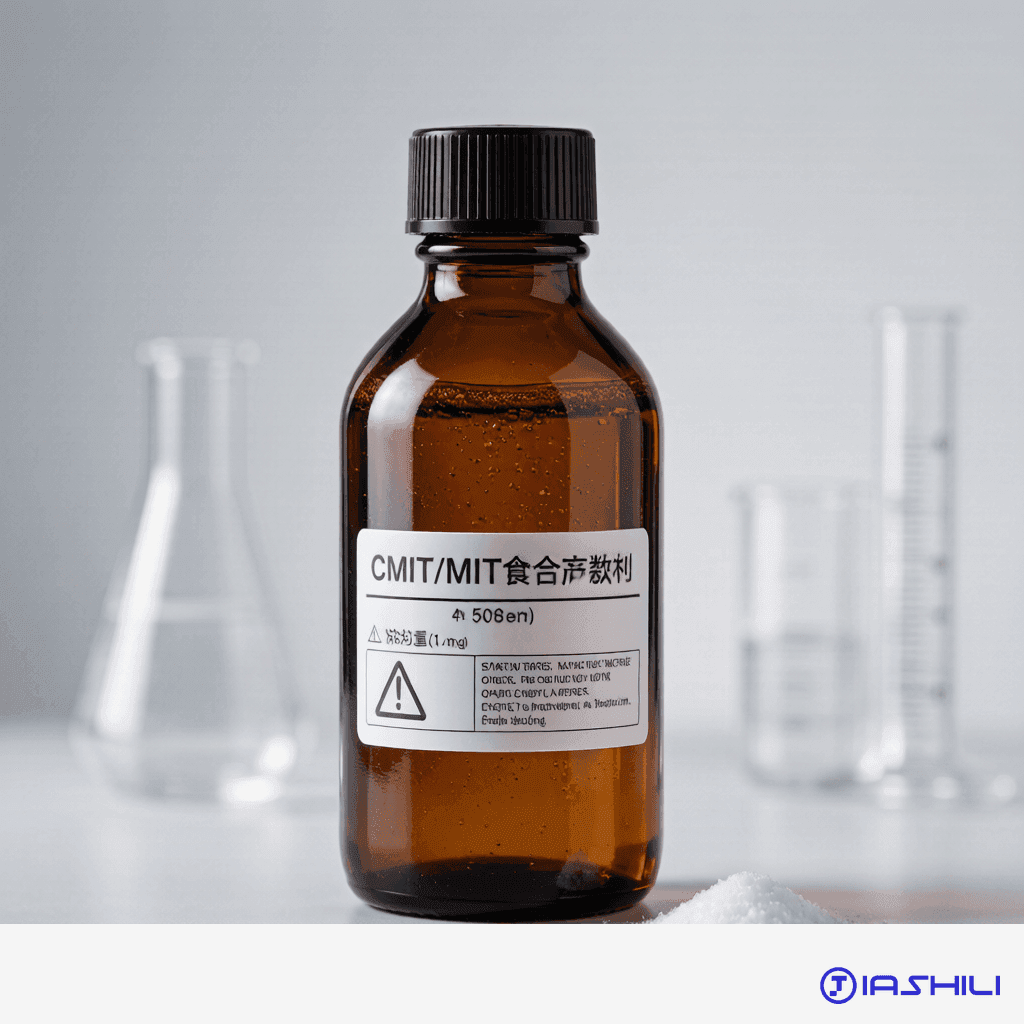 CMIT/MIT
CMIT/MIT
The CMIT/MIT composite preservative (Kathon 3:1 mixture) is specifically formulated for water-based coatings. It effectively kills various microorganisms, preventing spoilage, bloating and degradation during storage to ensure stable shelf life. The recommended dosage is 0.05%-0.3%, and it is compatible with all water-based systems with pH 3-9, making it the preferred anti-corrosion raw material for architectural latex paints.
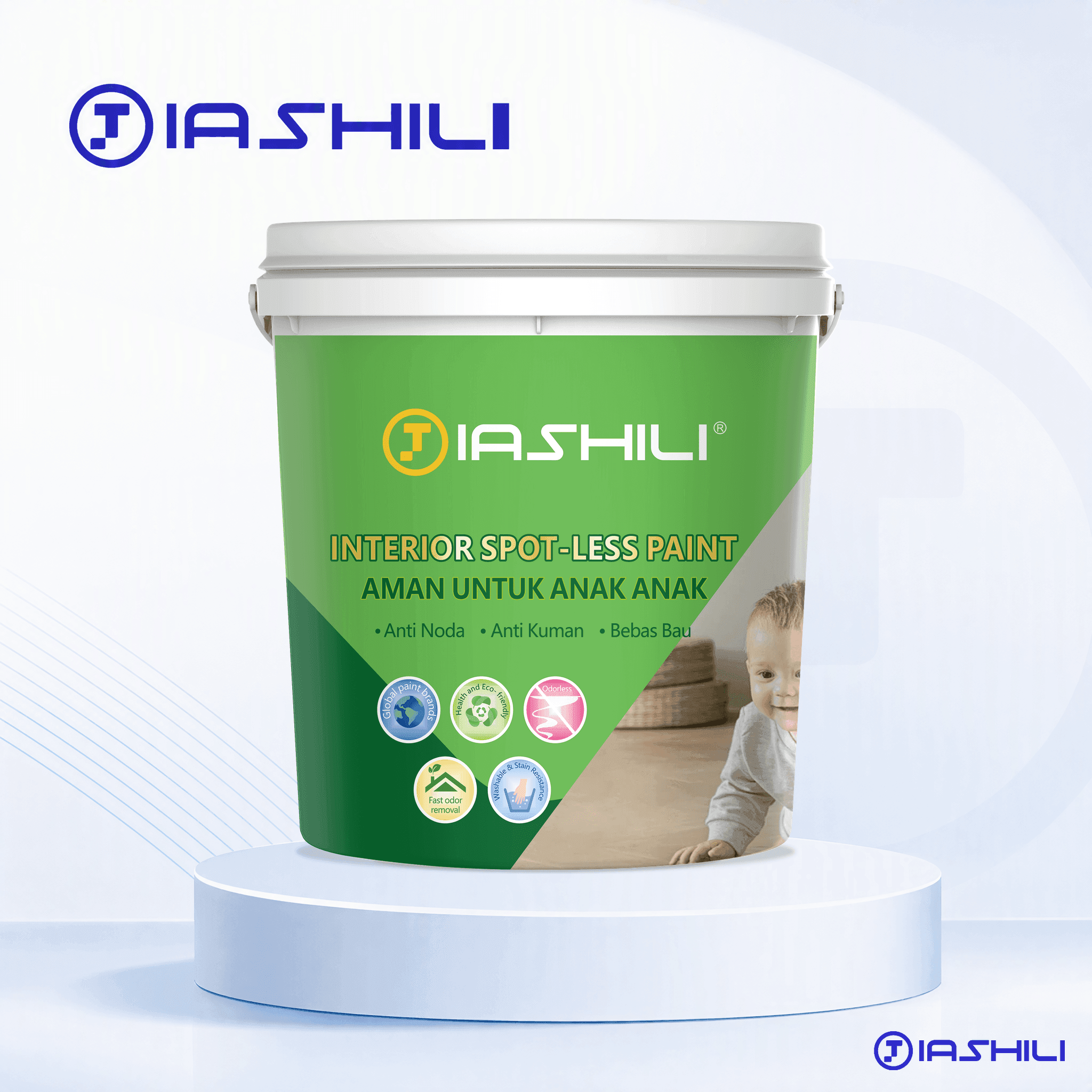 Kids Interior Paint
Kids Interior Emulsion Paint
Kids Interior Emulsion Paint by JIASILI. Premium quality for reliable performance.
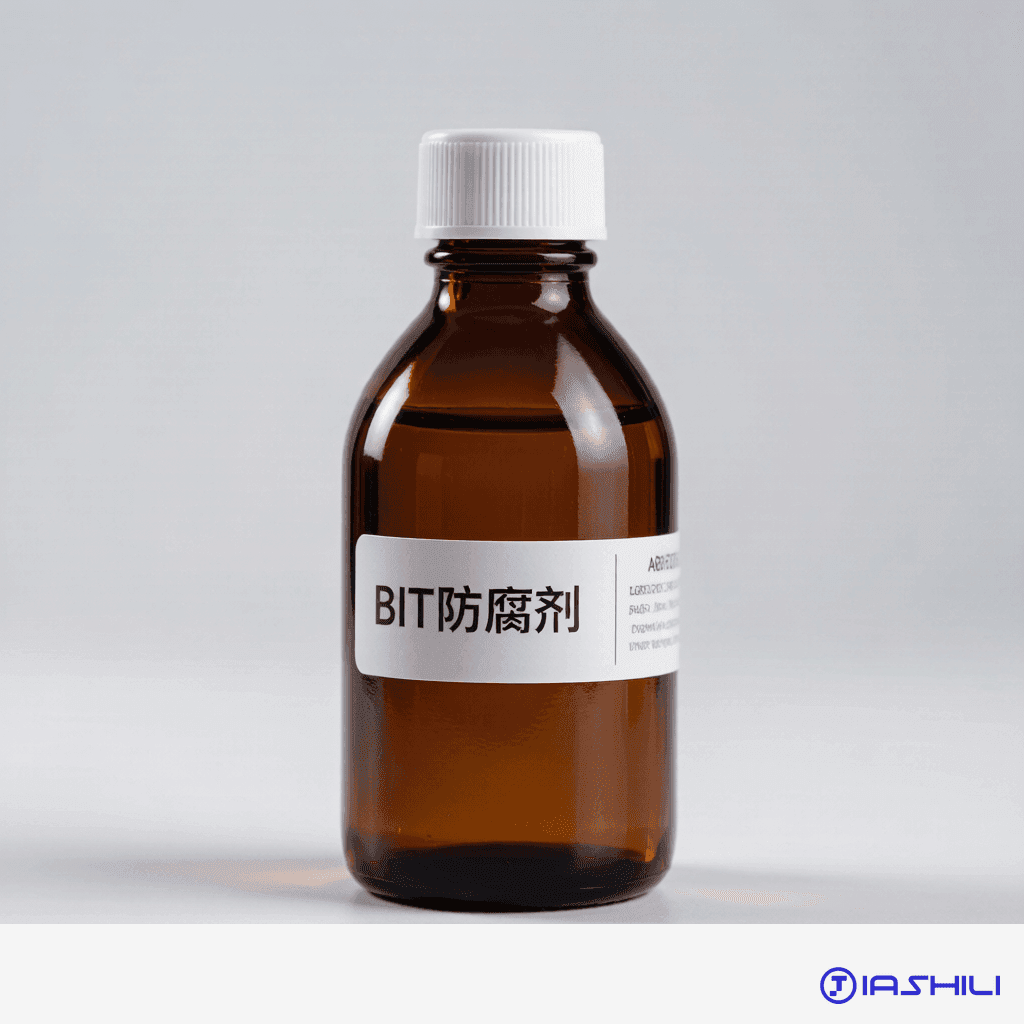 BIT
BITBIT
BIT preservative is specifically formulated for low-odor latex paints. As a broad-spectrum and long-acting anti-corrosion product, it contains no formaldehyde or halogens. The mainstream specification BIT-20 has 20% active ingredient content, with a recommended addition level of 0.1%-0.25% in finished products. It tolerates a pH range from 2 to 12, exhibits much better thermal stability than traditional CMIT/MIT preservatives, and features low odor and high safety.
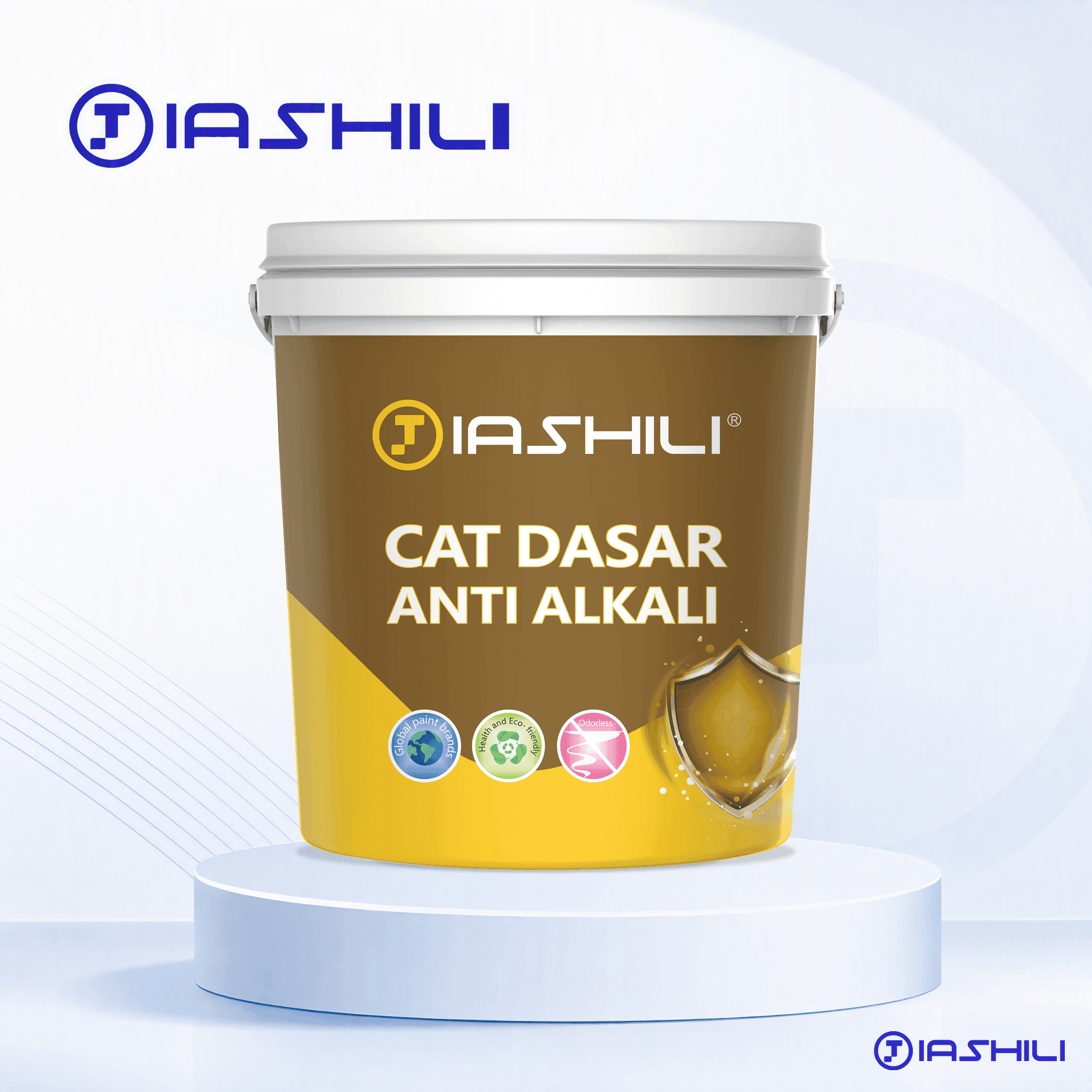 Alkali-Resistant Primer
Interior Alkali-Resistant Primer
Interior Alkali-Resistant Primer by JIASILI. Premium quality for reliable performance.
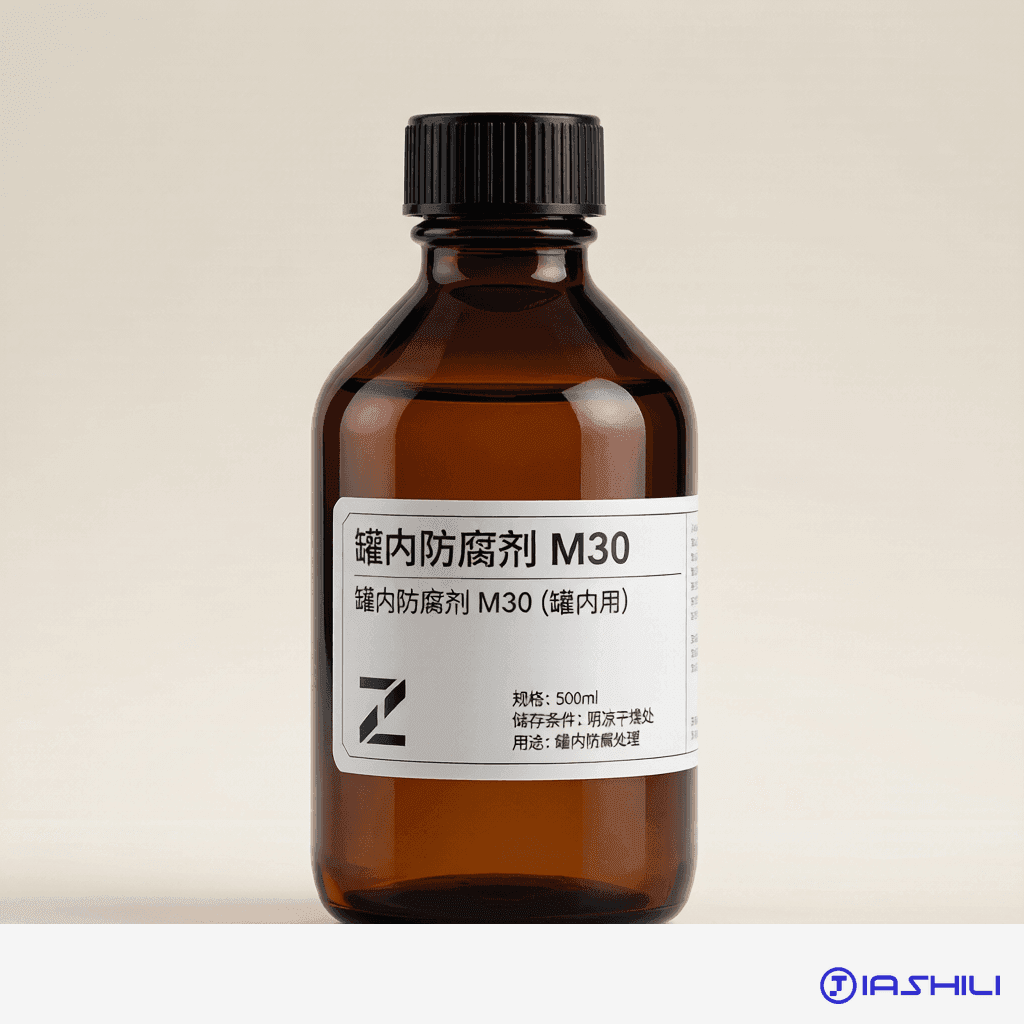 M30 Preservative(CMIT/MIT blend)
M30 Preservative(CMIT/MIT blend)
M30 Preservative is a wet-state anti-corrosion product specifically formulated for latex paints, effectively preventing acidification, bloating, and microbial growth during storage. The recommended dosage is 0.1%-0.2%; the upper limit can be applied in high-temperature and high-humidity environments, and the dosage may be slightly increased for pigment paste systems, provided over-dosing is avoided. It should be added at the late stage of paint mixing when the system temperature is below 40°C, as adding it during high-temperature grinding will render it ineffective. This preservative is suitable for systems with pH 2-9, delivering optimal performance in latex paint systems with pH 8-9; it becomes inactive in strongly alkaline environments (pH>9.5) and is not recommended for use in such conditions.
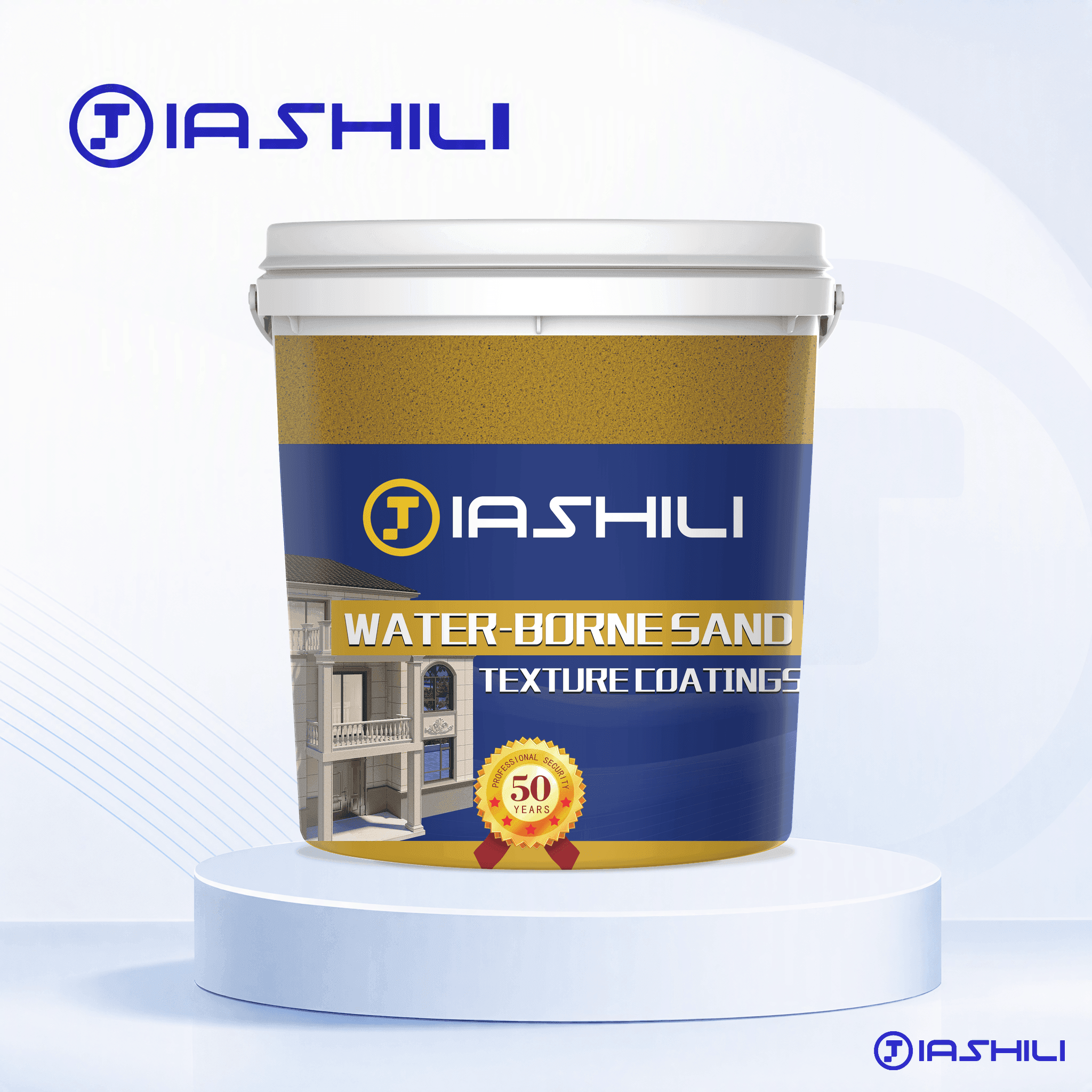 Water-in-Sand
Exterior Water-in-Sand Paint
Exterior Water-in-Sand Paint by JIASILI. Premium quality for reliable performance.
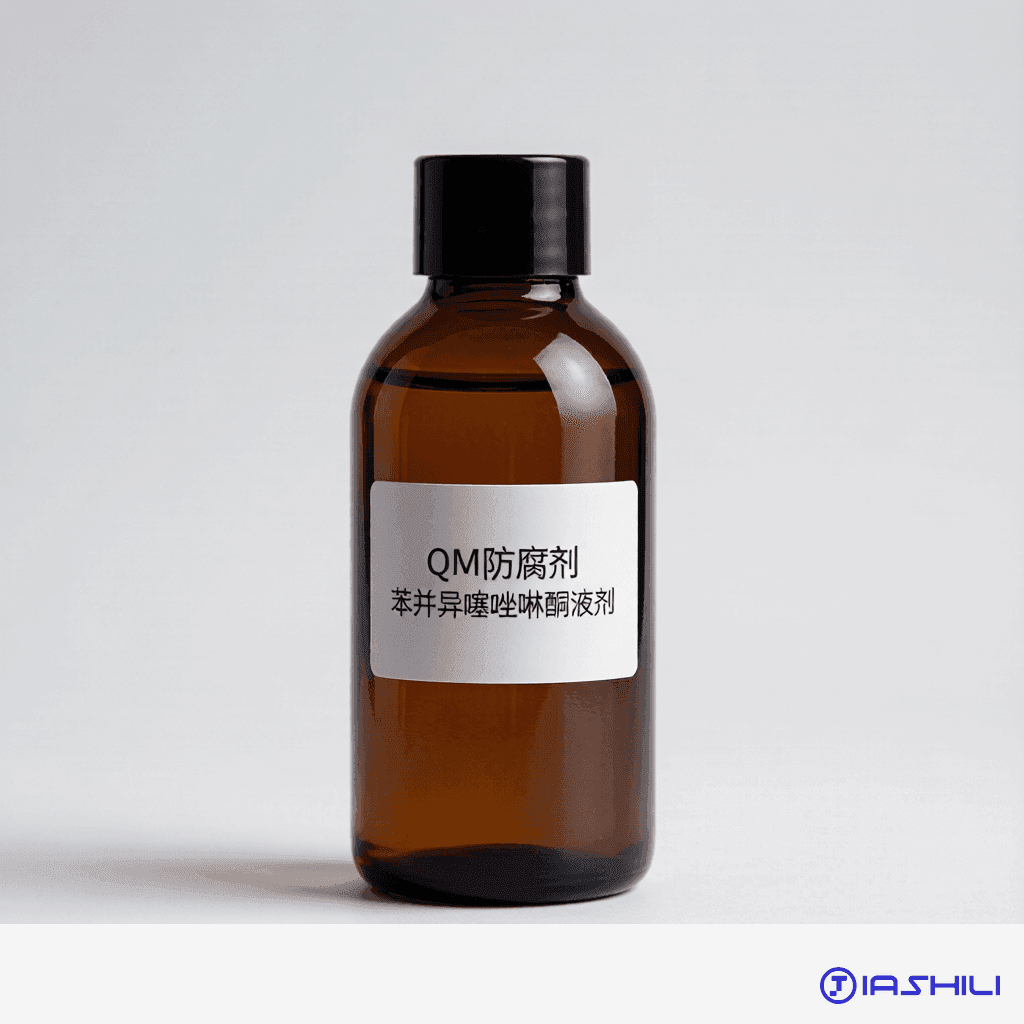 QM Preservative(BIT‑20 Liquid)
QM Preservative(BIT‑20 Liquid)
QM Preservative (BIT-20 Liquid) is a broad-spectrum antimicrobial agent specifically formulated for coating systems. It effectively inhibits bacteria and yeasts, and is suitable for formulations with pH 6–10. The recommended dosage is 0.1%–0.3%, to be added during the grinding or dispersion stage at temperatures below 60°C. Free from chlorine and formaldehyde releasers, this low-odor product is an ideal preservative for low-VOC latex paints, preventing issues such as bloating, odor development, and viscosity loss during storage. It is widely used in interior and exterior latex paints, water-based industrial coatings, and various architectural coating products.
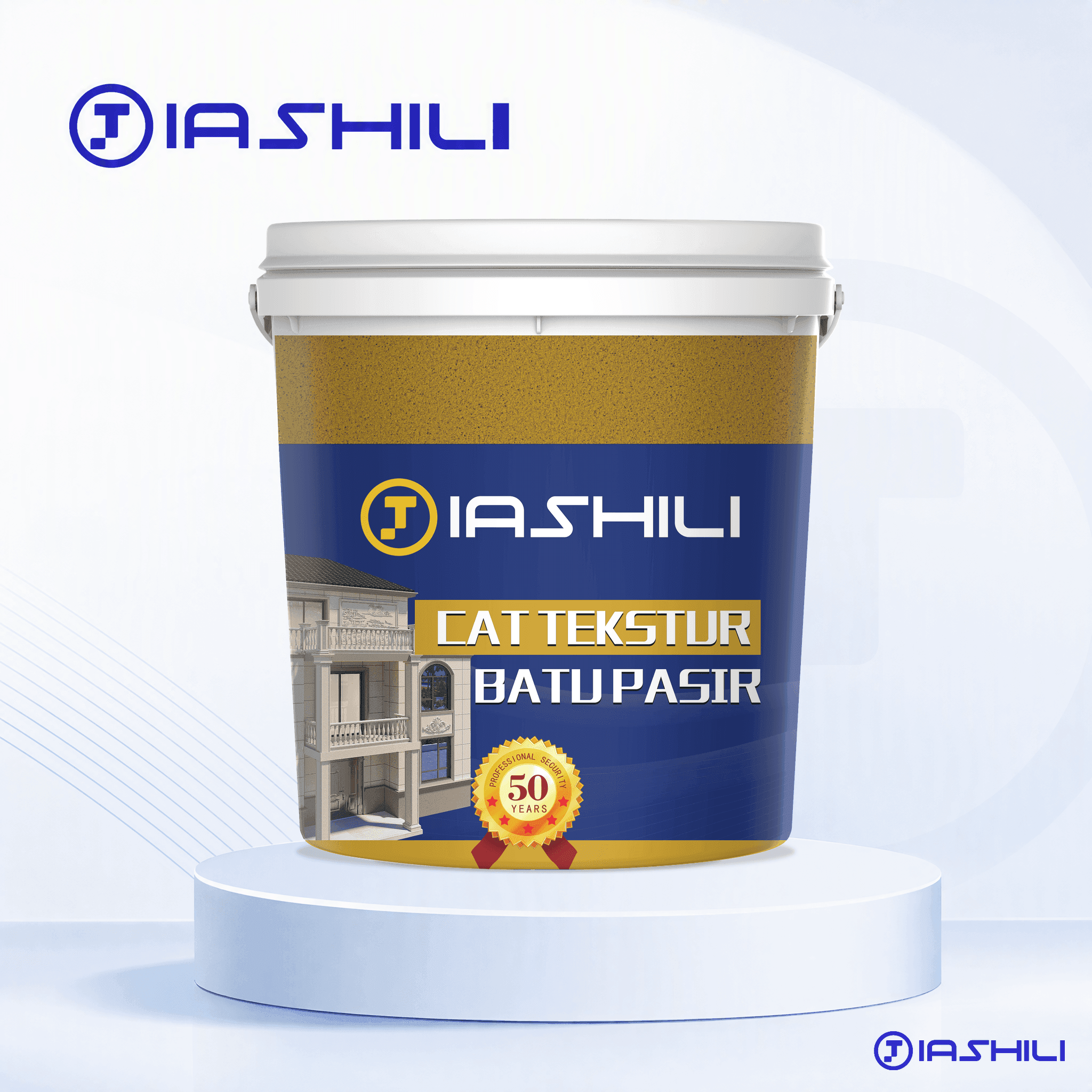 Stone Texture Paint - Indonesia
Exterior Stone Texture Paint
Exterior Stone Texture Paint by JIASILI. Premium quality for reliable performance.
 Ethylene glycol(EG)
Ethylene glycol(EG)
Ethylene glycol (EG) is a versatile coating additive that offers antifreezing properties, extends the open time of paint films, aids in film formation, and acts as a co-solvent to promote the dispersion of additives. The recommended dosage is 2%-8%, which can be added directly during the dispersion stage; it is also miscible with water in any ratio. Note that it is classified as a VOC component, and 1,2-propylene glycol is often used as a substitute in eco-friendly, low-toxicity formulations.
 1,2-Propylene glycol
1,2-Propylene glycol
1,2-Propylene glycol is a high-performance additive for water-based coatings, offering anti-freezing properties, extended application open time, and film-forming assistance. The recommended dosage is 2%-8%, to be added during the dispersion stage; it is fully soluble in water. As a low-toxicity, eco-friendly VOC component, it meets the requirements of premium low-odor coating formulations.
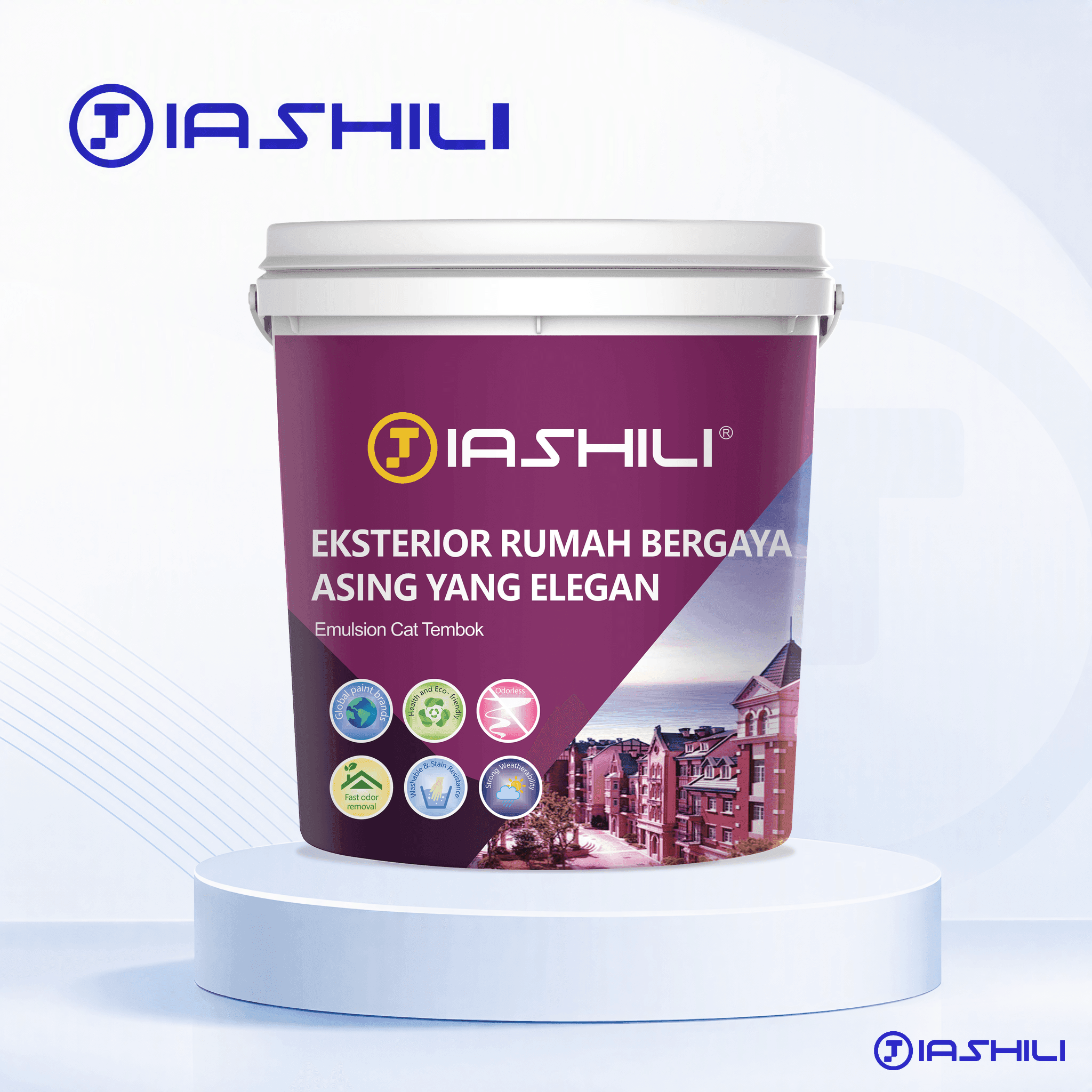 Premium Villa
Weather-Resistant Exterior Paint
Weather-Resistant Exterior Paint by JIASILI. Premium quality for reliable performance.
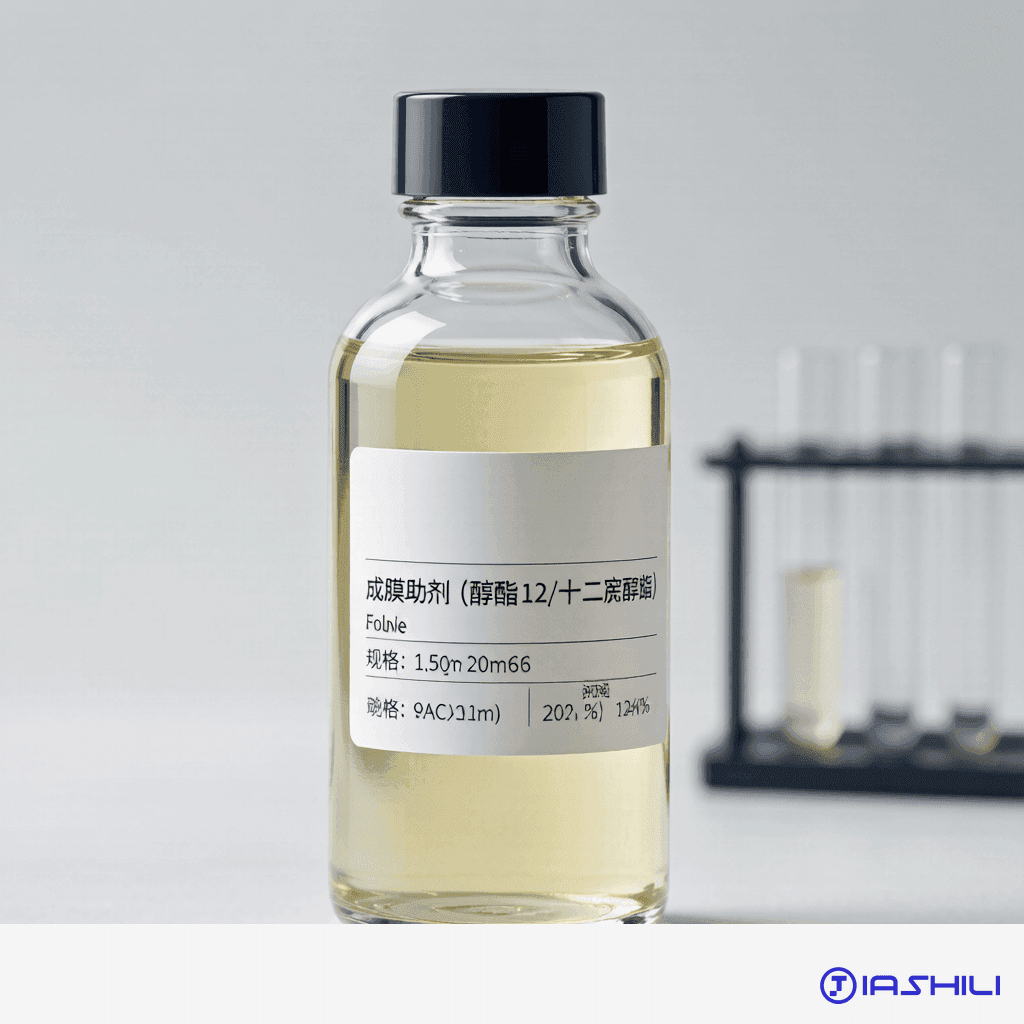 Texanol
Texanol
This film-forming additive (Texanol) effectively reduces the minimum film-forming temperature of emulsions, enabling the formation of continuous, dense films even at low temperatures and preventing powdering or cracking defects. It is suitable for various interior and exterior latex paints, water-based industrial coatings, water-based wood finishes, and inorganic coatings. The recommended dosage is 3%-6% for interior applications and 4%-8% for exterior and high-Tg emulsions. Being hydrolysis-resistant and a VOC component, 50% should be added during the grinding stage to aid pigment dispersion, and the remaining 50% added during the paint mixing stage to minimize foaming risks.
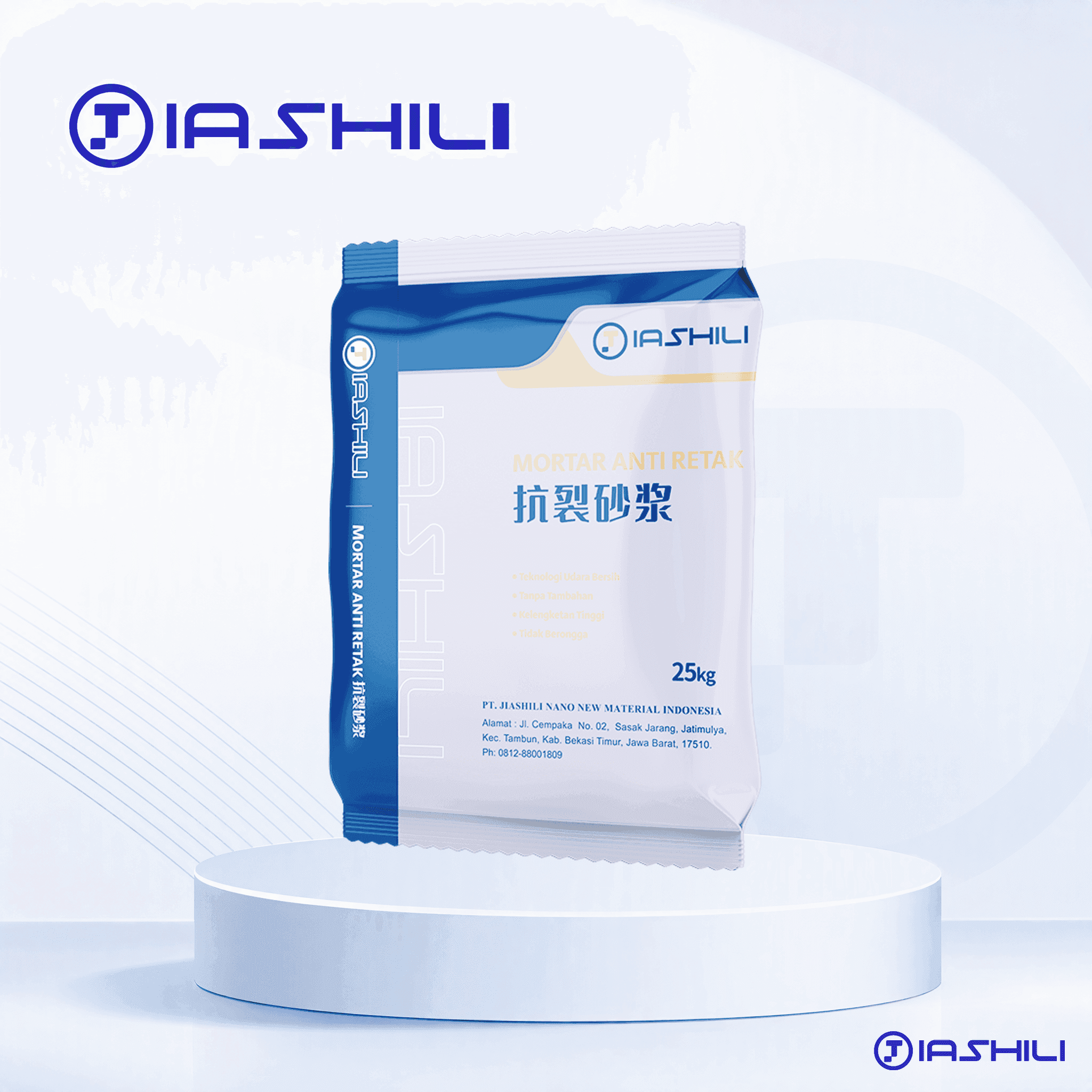 Anti-Crack Mortar
Anti-Crack Mortar
Anti-Crack Mortar by JIASILI. Premium quality for reliable performance.
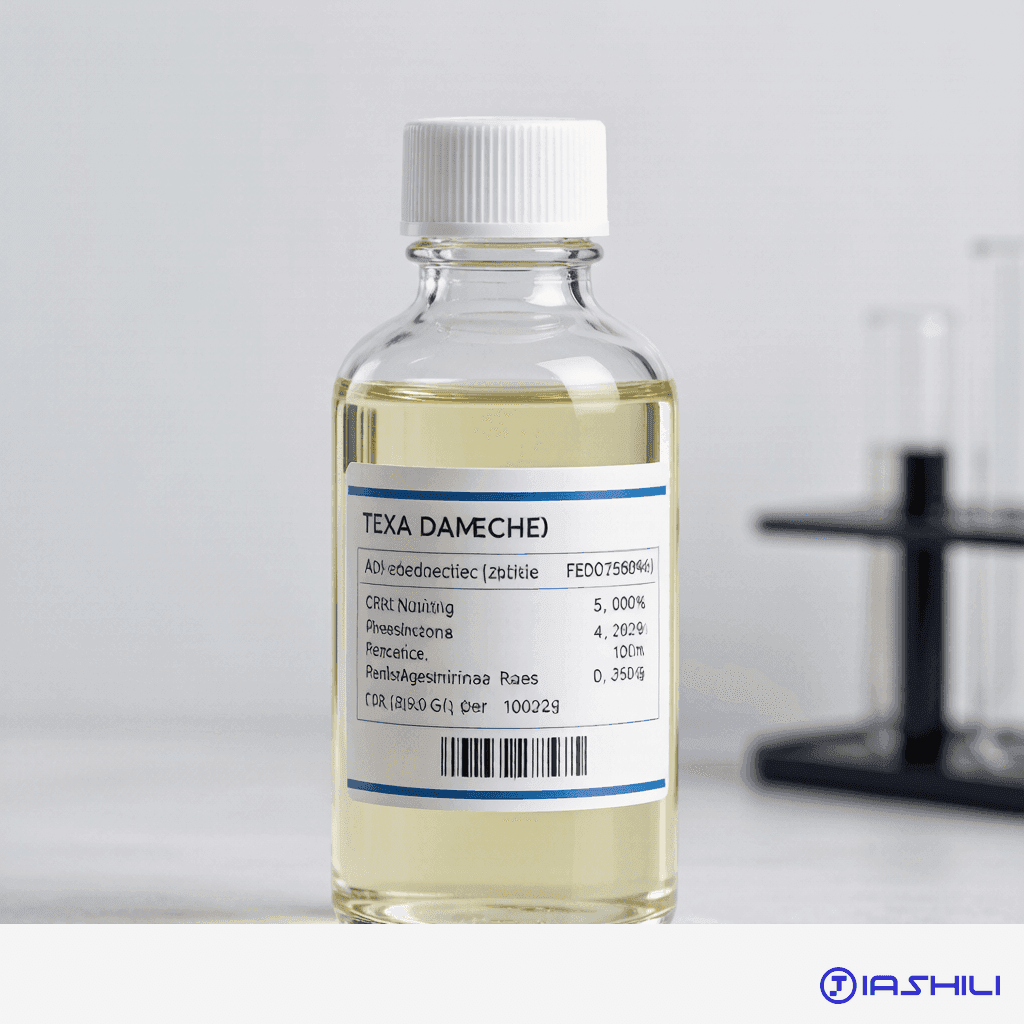 Texanol
Texanol
TEXA imported film-forming aid (Texanol/ester-12) is a high-purity Texanol product. With a dosage of 0.5%-1.5%, it can reduce the minimum film-forming temperature of emulsions to below 5°C, ensuring the integrity of paint films without powdering or cracking at low temperatures. Featuring high purity, excellent stability and virtually no pungent odor, this product is suitable for premium low-VOC interior paints and export-grade coatings, offering outstanding hydrolysis resistance and classified as a controllable VOC component.
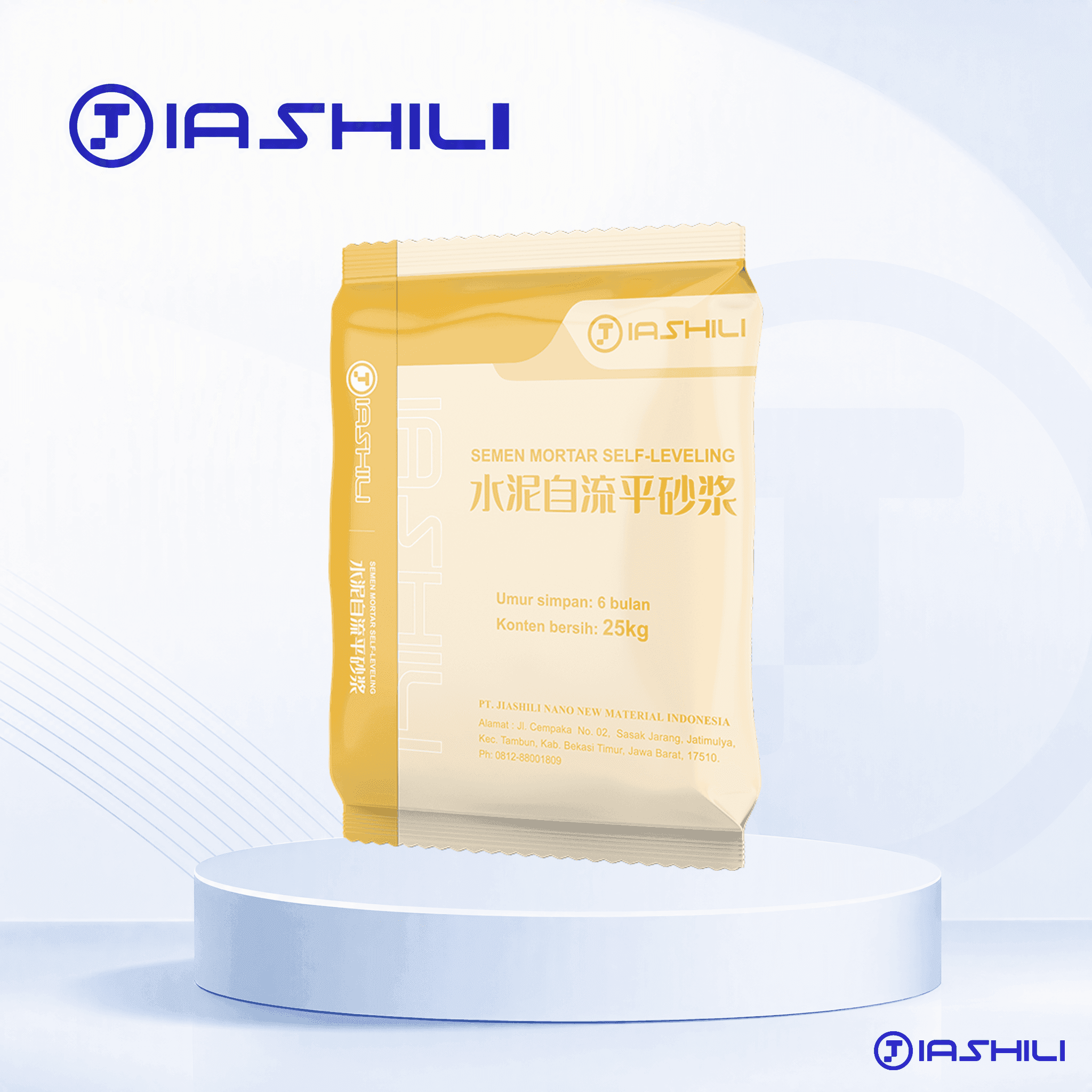 Self-Leveling Cement
Self-Leveling Cement
Self-Leveling Cement by JIASILI. Premium quality for reliable performance.
 Wetting agent PE-100
Wetting agent PE-100
PE-100 wetting agent is an APEO-based surfactant specifically formulated for latex paint systems. It effectively wets pigments and fillers, eliminates color flecking and blooming issues in coatings, and enhances the freeze-thaw stability, mechanical stability, and substrate wetting performance of emulsions. Compatible with alkaline latex paint systems and resistant to common acidic and alkaline environments, the optimal dosage is 0.1%-0.4%. For maximum wetting and dispersion efficiency, it should be added during the grinding and dispersing stage together with water-based dispersants. Note that excessive addition will reduce paint film water resistance, and this product is not suitable for high-end APEO-free eco-friendly formulations.
 Octylphenol ethoxylate (35 EO)
Octylphenol ethoxylate (35 EO)
X-405 Wetting Agent (Octylphenol ethoxylate 35 EO) is a high-performance wetting additive specifically formulated for latex paint systems. It effectively prevents color floating and mottling, greatly enhances the freeze-thaw and mechanical stability of emulsions, and improves substrate wetting performance. The recommended dosage is 0.1%-0.4%; excessive addition may compromise the water resistance of the paint film. This agent is suitable for interior and exterior latex paints, high-PVC pigment systems, and carbon black pastes. However, as it belongs to the APEO category of surfactants, alternative products are required for premium eco-friendly formulations.
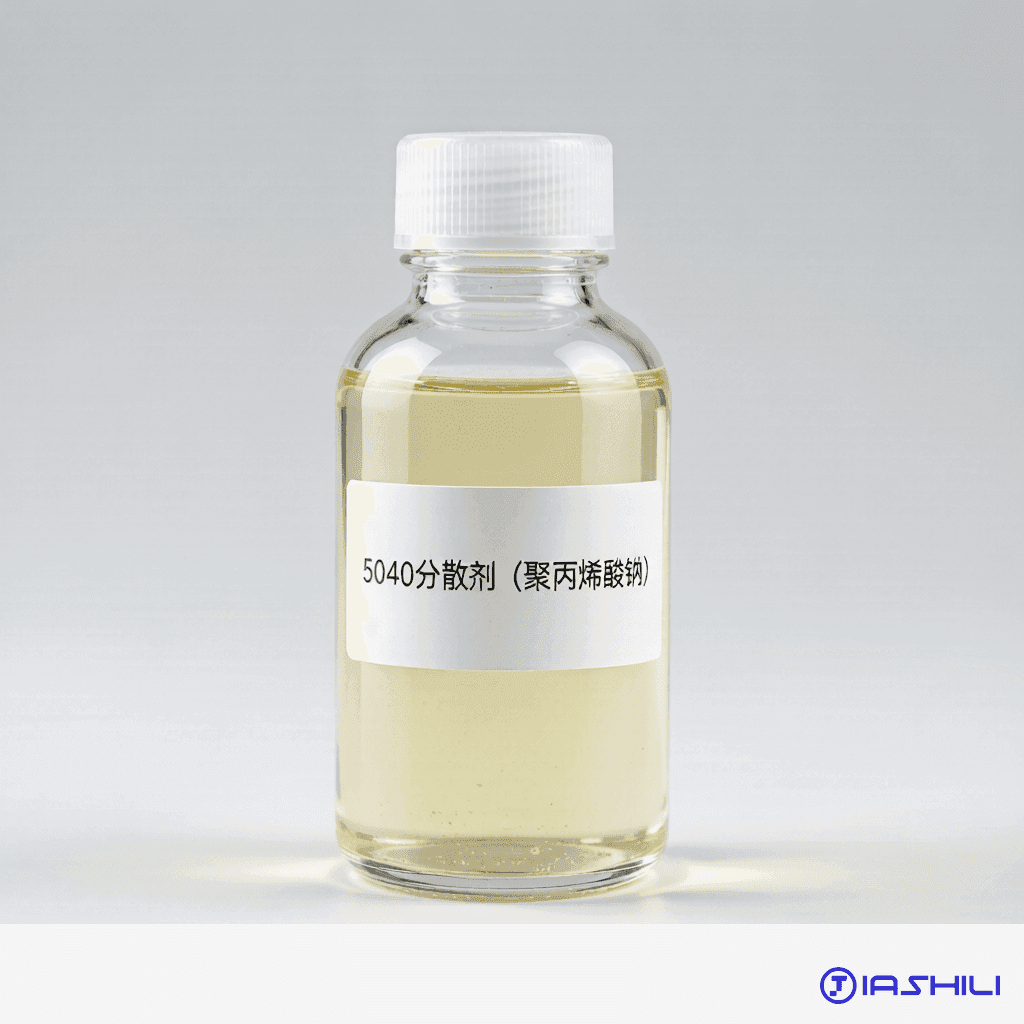 Sodium polyacrylate;SN-DISPERSANT 5040
Sodium polyacrylate;SN-DISPERSANT 5040
SN-DISPERSANT 5040 is an anionic low-foaming dispersant that effectively disperses pigments and fillers while preventing powder flocculation and sedimentation, ensuring stable viscosity of coatings during storage and enhancing color development and gloss retention of paint films. The recommended dosage is 0.5%-1.0% of the total pigment and filler content, to be added at the early stage of the grinding process. As this product belongs to the sodium salt system with high electrolyte content, it should be used with caution in exterior weather-resistant formulations. It is suitable for interior architectural paints, high-PVC matte primers, and cement-based composite coatings.
 SN-DISPERSANT 5027
SN-DISPERSANT 5027
SN-DISPERSANT 5027 is a hydrophobic modified ammonium polyacrylate dispersant featuring low foam formation and high efficiency. It can fully disperse various pigments and fillers, effectively preventing color floating and mottling while improving film leveling and gloss. After drying, no ammonia residue remains, significantly enhancing the film's water resistance and scrub resistance. It is recommended for exterior paints, high-gloss/satin finishes, high-water-resistant interior paints, and premium water-based color paste systems, making it an ideal choice for high-end weather-resistant coatings.
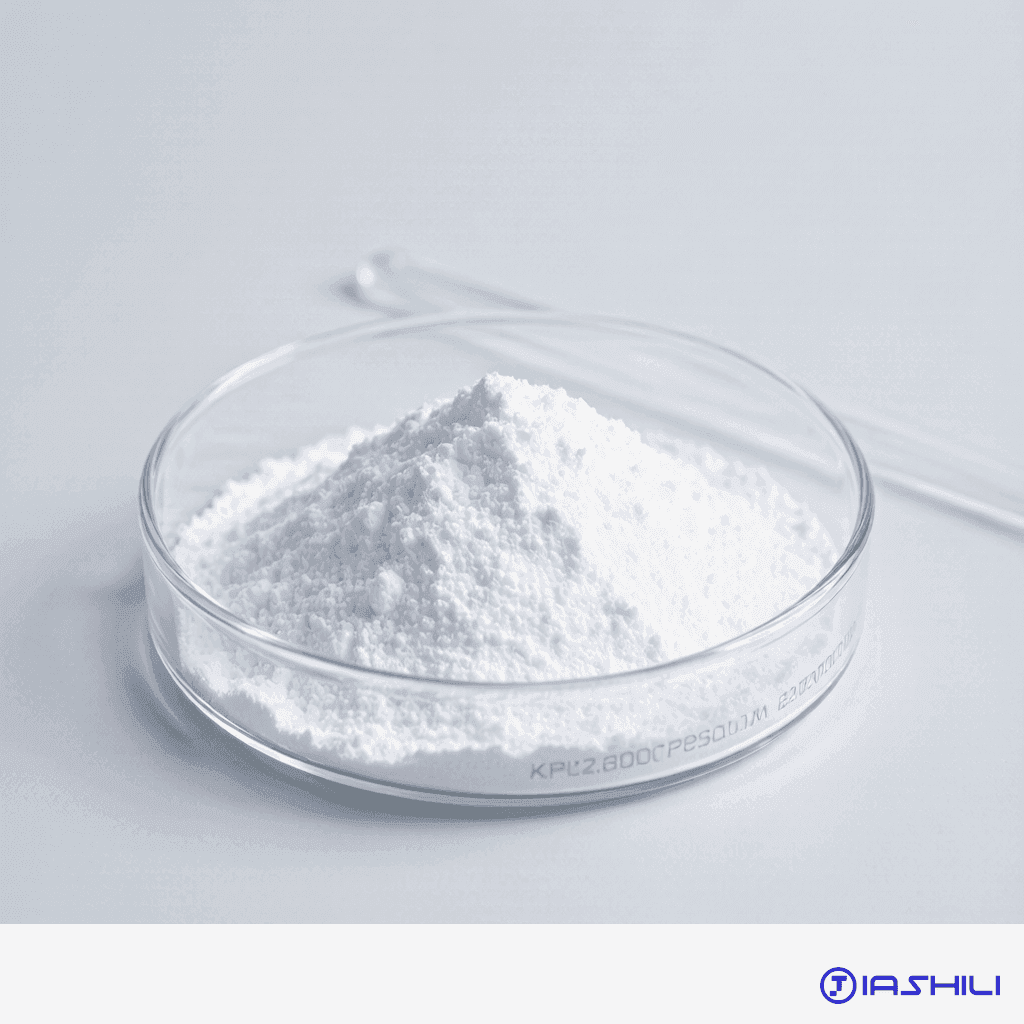 PVA‑2488P / PVOH‑2488P
PVA‑2488P / PVOH‑2488P
PVA-2488P is a partially hydrolyzed polyvinyl alcohol with a degree of polymerization of 2400 and 88% hydrolysis degree. It functions as a film-forming aid and protective colloid, markedly enhancing coating adhesion and sanding performance. The recommended dosage is 0.2%-1.0% for latex paints and 1%-3% for interior wall putties; it is not suitable for exterior wall applications. Always prepare a stock solution with hot water before use—never add the powder directly. Due to its poor water resistance, this product is only appropriate for low-end interior wall products and must not be used in exterior coatings or high-water-resistant formulations; contact with borax should also be avoided.
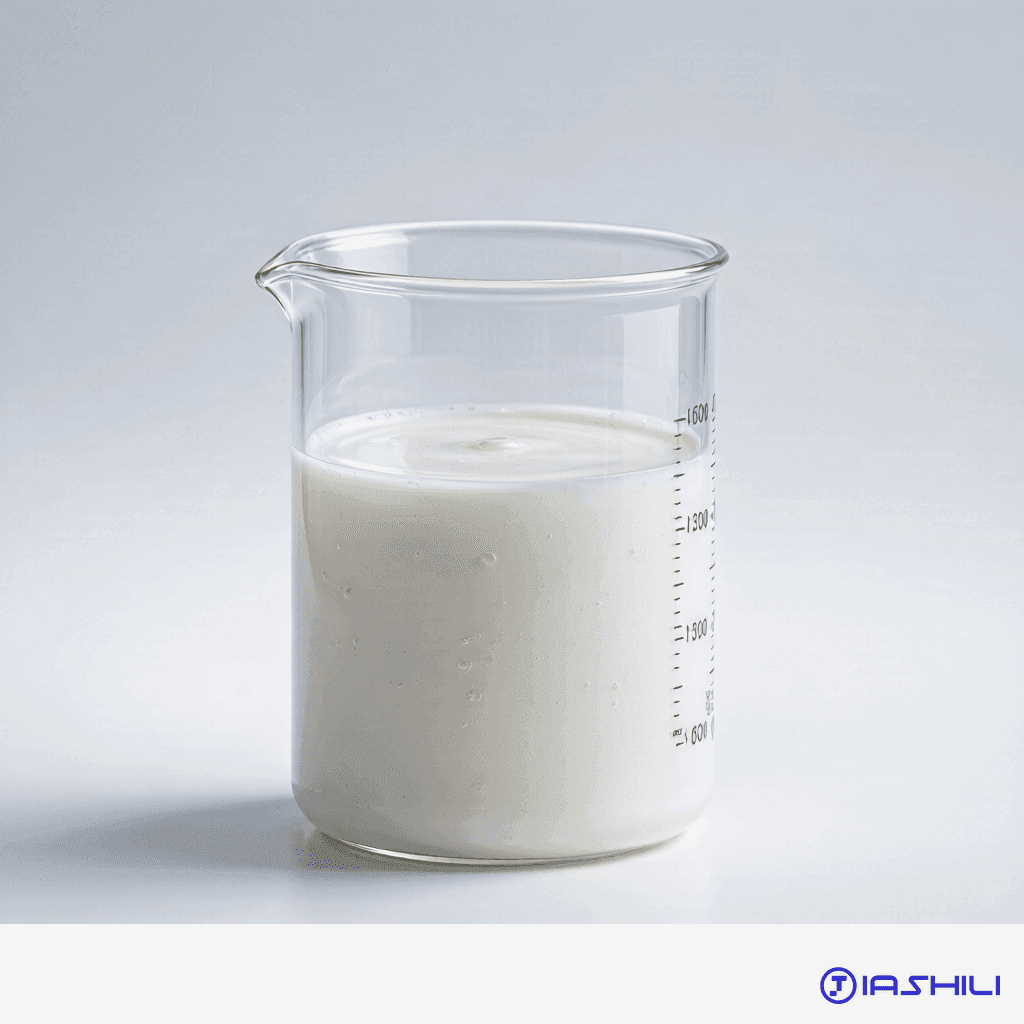 Nopco NXZ Defoamer
Nopco NXZ Defoamer
Nopco NXZ Defoamer is a high-performance defoaming product specifically formulated for high-PVC matte latex paints and high-pigment systems. It effectively suppresses air bubbles during grinding and application, preventing defects such as pinholes and craters on the paint film. The recommended dosage is 0.1%-0.6%, with 50% added during the grinding stage and the remaining 50% added later during paint formulation; the product must be shaken well before use. Note that this product is not suitable for premium high-gloss paint systems, as excessive use may cause orange peel effects and loss of gloss on the paint film.
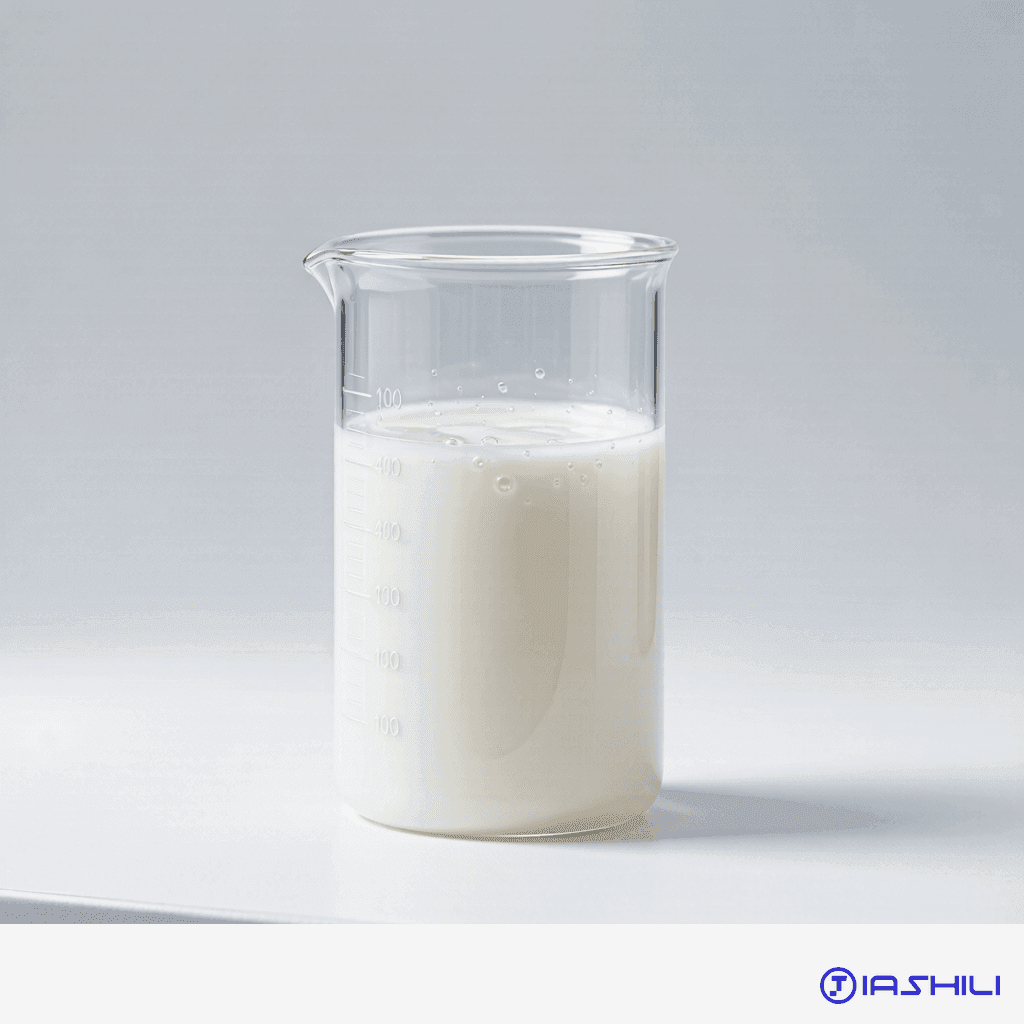 FoamStar A10
FoamStar A10
FoamStar A10 is a molecular-level polymer-mineral oil composite defoamer that efficiently eliminates microbubbles and fine bubbles while causing minimal impact on paint gloss, preventing issues like loss of gloss or pinholing. Suitable for matte, satin, and high-gloss paints, it is compatible with interior and exterior latex paints as well as water-based color pastes. The recommended dosage is 0.03%-0.1% for flat paints and 0.1%-0.2% for high-gloss/satin paints; a two-stage dosing process ensures optimal defoaming performance throughout production.
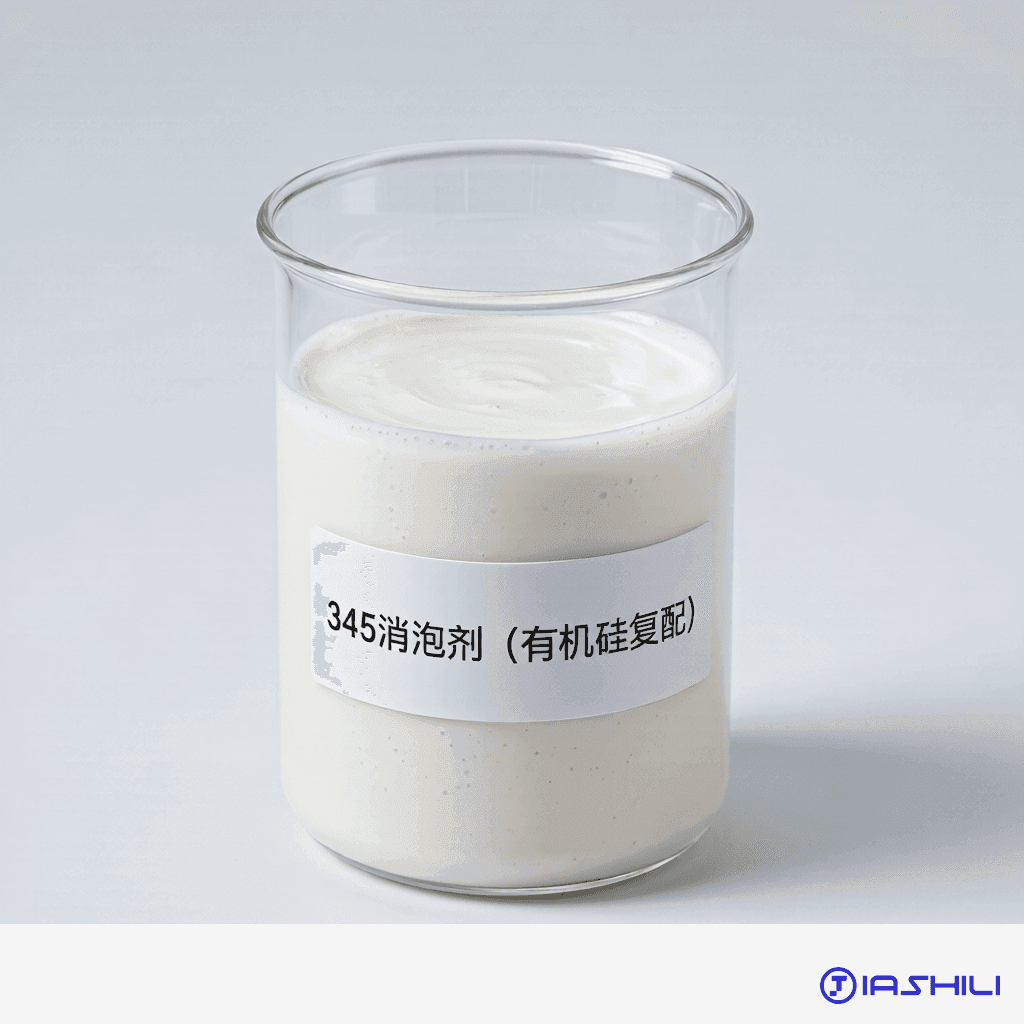 SN-DEFOAMER 345
SN-DEFOAMER 345
SN-DEFOAMER 345 defoamer is a silicone-based compound designed specifically for thick-paste and elastic coating systems. It rapidly eliminates all types of air bubbles, effectively preventing pinholes and blistering defects during thick-film application. The recommended dosage for finished products is 0.5%-1.5%, with 0.6%-1.0% advised for elastic thick-paste systems. Feeding should be done in two stages: 30%-50% added during the grinding phase, and the remaining amount supplemented during the paint formulation stage. Overdosing must be avoided as it will lead to poor film adhesion, as well as shrinkage pores and fish-eye defects.
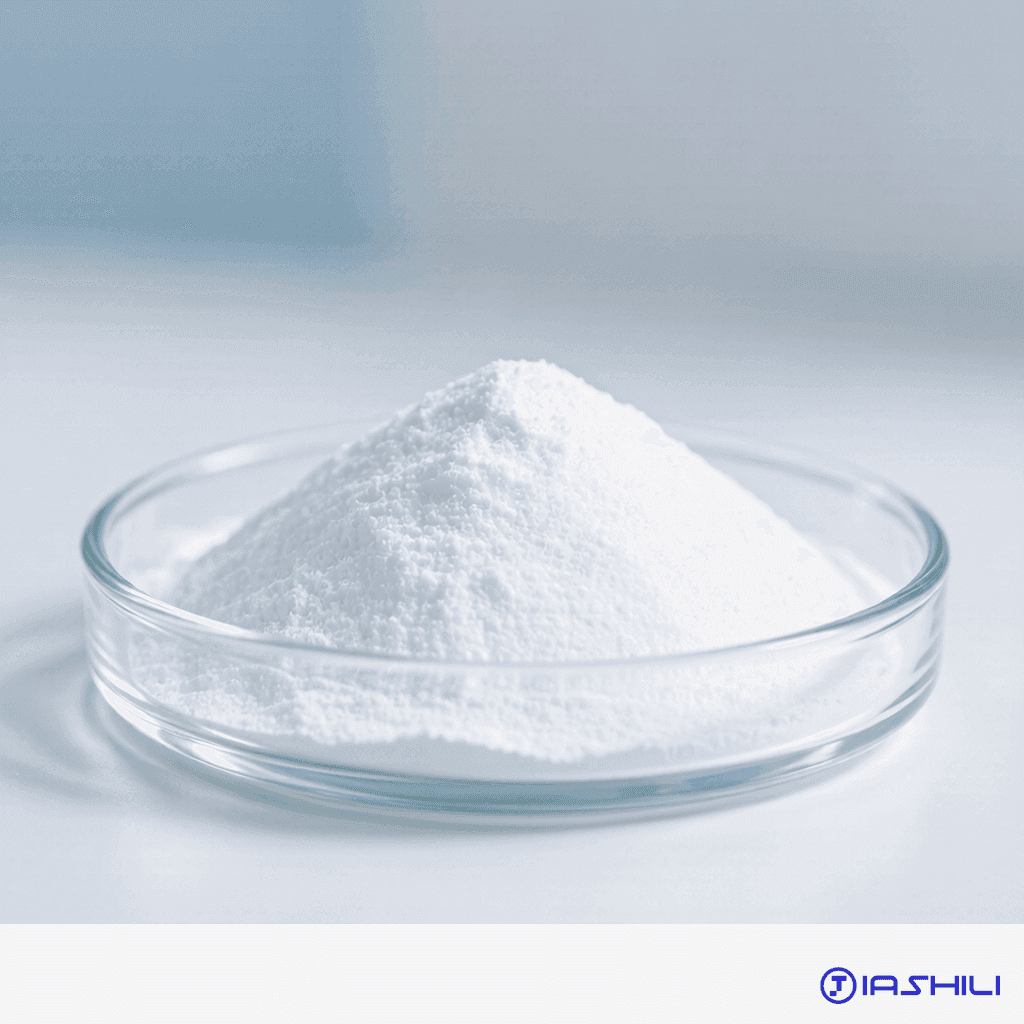 Optical Brightener CBS‑X
Optical Brightener CBS‑X
Optical Brightener CBS-X is a specialized additive designed for interior wall coatings. Leveraging the principle of optical color compensation, it effectively neutralizes yellow undertones in paint films, significantly enhancing visual whiteness and brightness without compromising the film's covering power. The recommended dosage is 0.01%-0.05%; excessive use may cause the film to turn bluish-gray, lead to color mismatch under fluorescent light, and result in color distortion. This product is suitable only for interior latex paints and water-based color pastes; it is not recommended for exterior systems as UV rays rapidly degrade its fluorescent groups and accelerate film yellowing. Always dilute the product prior to use and never add it directly to the grinding process.
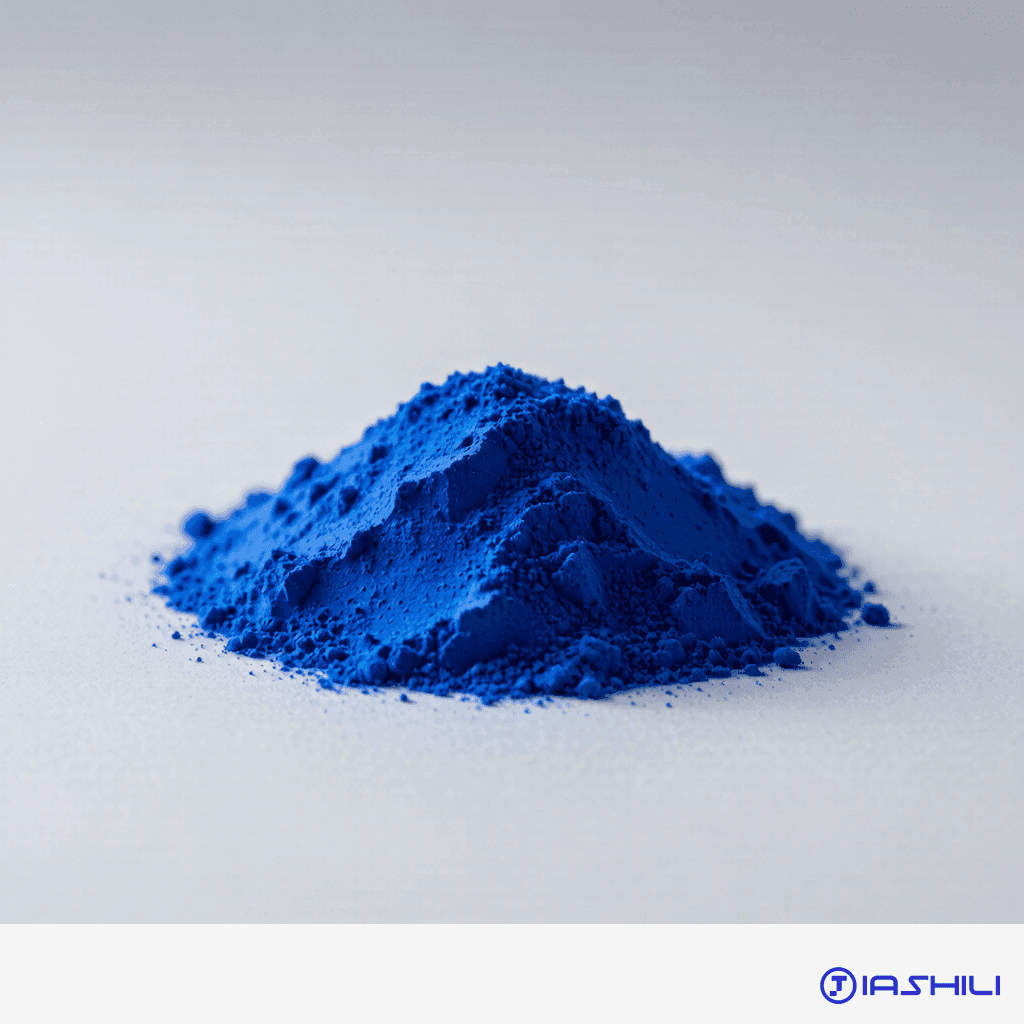 Ultramarine Blue 382,C.I. Pigment Blue 29
Ultramarine Blue 382,C.I. Pigment Blue 29
Ultramarine Blue 382 (C.I. Pigment Blue 29) is a highly effective whitening pigment that neutralizes the yellow undertone of titanium dioxide and fillers, delivering a cool, bright white finish to paints with just a small addition. It is ideal for formulating violet-blue, violet, and gray-blue shades, and a tiny amount added to black paints enhances depth while eliminating dullness. As an inorganic pigment, it offers excellent lightfastness, weather resistance, non-migrating, non-leaching, and heat stability, making it suitable for powder coating processes. However, it is acid-sensitive and must not be used in acidic coating systems. For interior latex paints and putties, standard 382 Ultramarine Blue is recommended; for exterior applications and areas with heavy acid rain, the acid-resistant modified 384 variant is preferred to ensure long-lasting color retention.
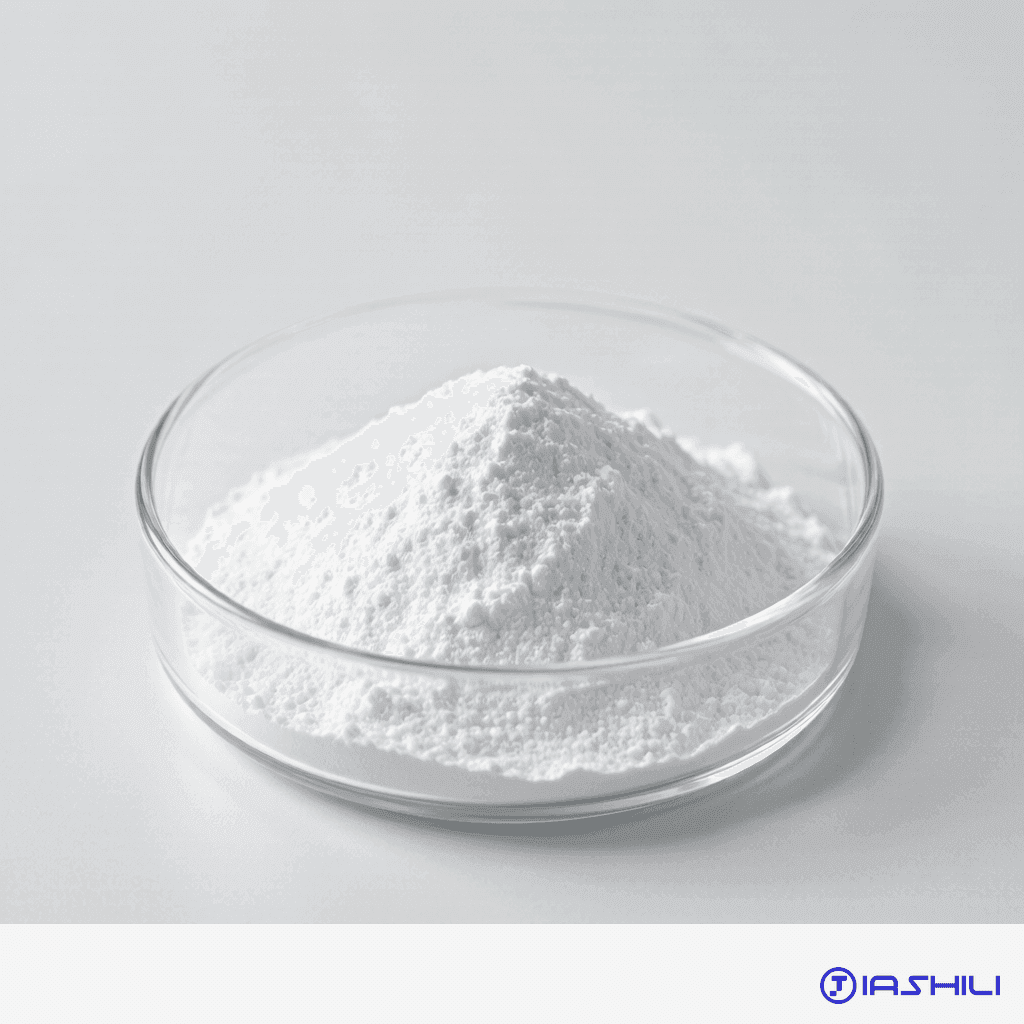 Calcined Kaolin (Calcined Aluminum Silicate)
Calcined Kaolin (Calcined Aluminum Silicate)
Calcined kaolin is a high-performance functional extender filler with excellent dry hiding power. It can effectively replace part of titanium dioxide to cut production costs while adjusting film gloss to suit matte and eggshell finishes. This product significantly enhances the scrub resistance, crack resistance, and weather resistance of paint films, optimizes paint thixotropy to prevent pigment/filler settling, and improves application leveling and texture. With outstanding acid and alkali resistance, it is compatible with water-based, solvent-based, and powder coating systems. It is recommended for interior matte latex paints and powder coatings, but should be used cautiously in high-gloss topcoats. The optimal dosing time is during the high-speed dispersion stage of powders after additives are prepared and before emulsion addition; never add it after the emulsion has been incorporated.
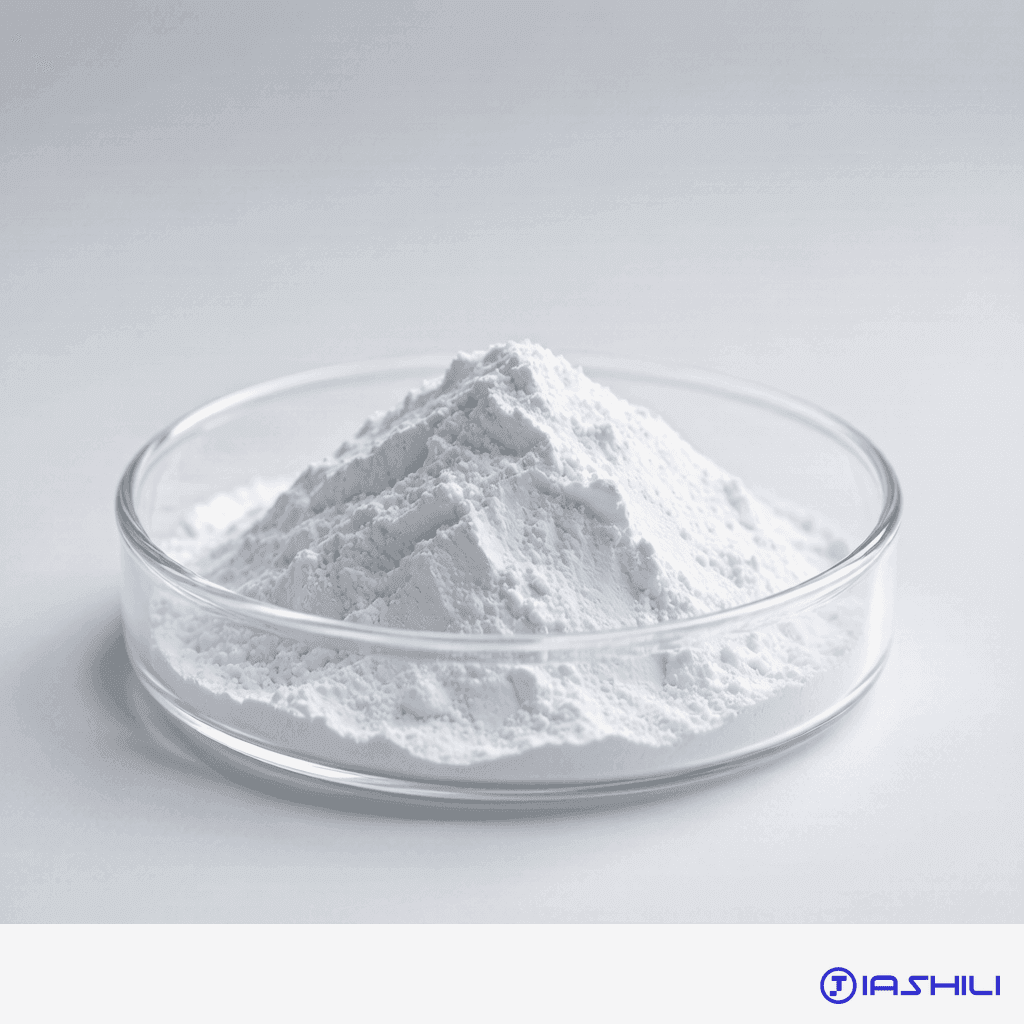 Hydrous Kaolin
Hydrous Kaolin
Hydrous kaolin is a common extender filler that improves paint film sandability and storage suspension stability while fine-tuning gloss level; it is more cost-effective than calcined kaolin. With a whiteness of 86-89, its water resistance, scrub resistance, and weather resistance are relatively weak, and it cannot replace titanium dioxide. The recommended dosage is 5%-15% for interior primer and low-grade interior paints, and 3%-8% for interior wall paints; it should be used sparingly in exterior applications, and its amount in high-gloss paints must be strictly controlled to prevent loss of gloss and roughness. It is advised to add this material during the grinding and dispersion stage together with ground calcium carbonate, talc, and titanium dioxide, ensuring thorough high-speed dispersion.
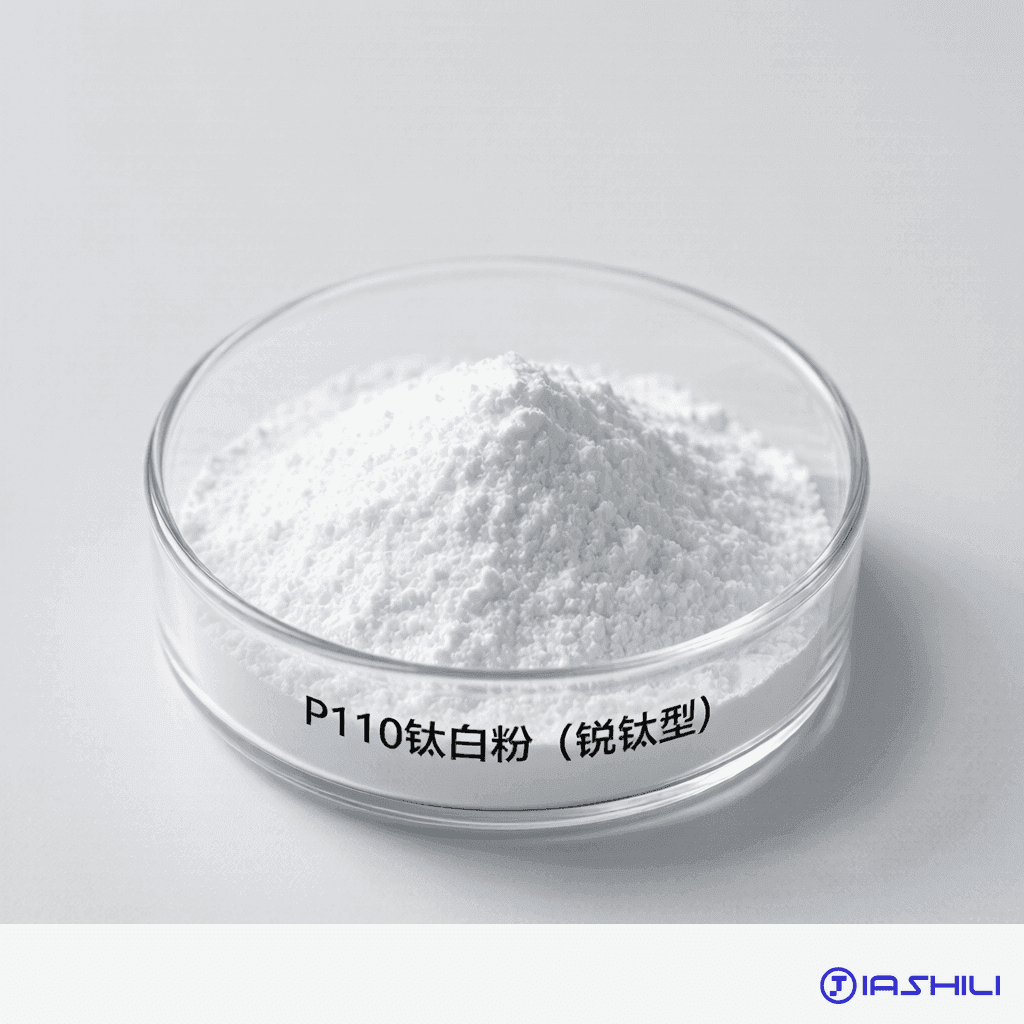 Titanium Dioxide (Anatase Type PGA‑110)
Titanium Dioxide (Anatase Type PGA‑110)
P110 titanium dioxide is an anatase-type pigment featuring high whiteness, excellent covering power, and low cost, making it ideal for economical interior wall coatings. The recommended dosage ranges from 8% to 16% for matte interior wall paints, 6% to 10% for high-PVC interior wall formulations, and 10% to 20% for primers and putties. However, due to its poor weather resistance and tendency to powder and yellow upon exposure to light, it must never be used in exterior paints. Its dispersion in water-based systems is more challenging, requiring sufficient dispersant to achieve optimal results.
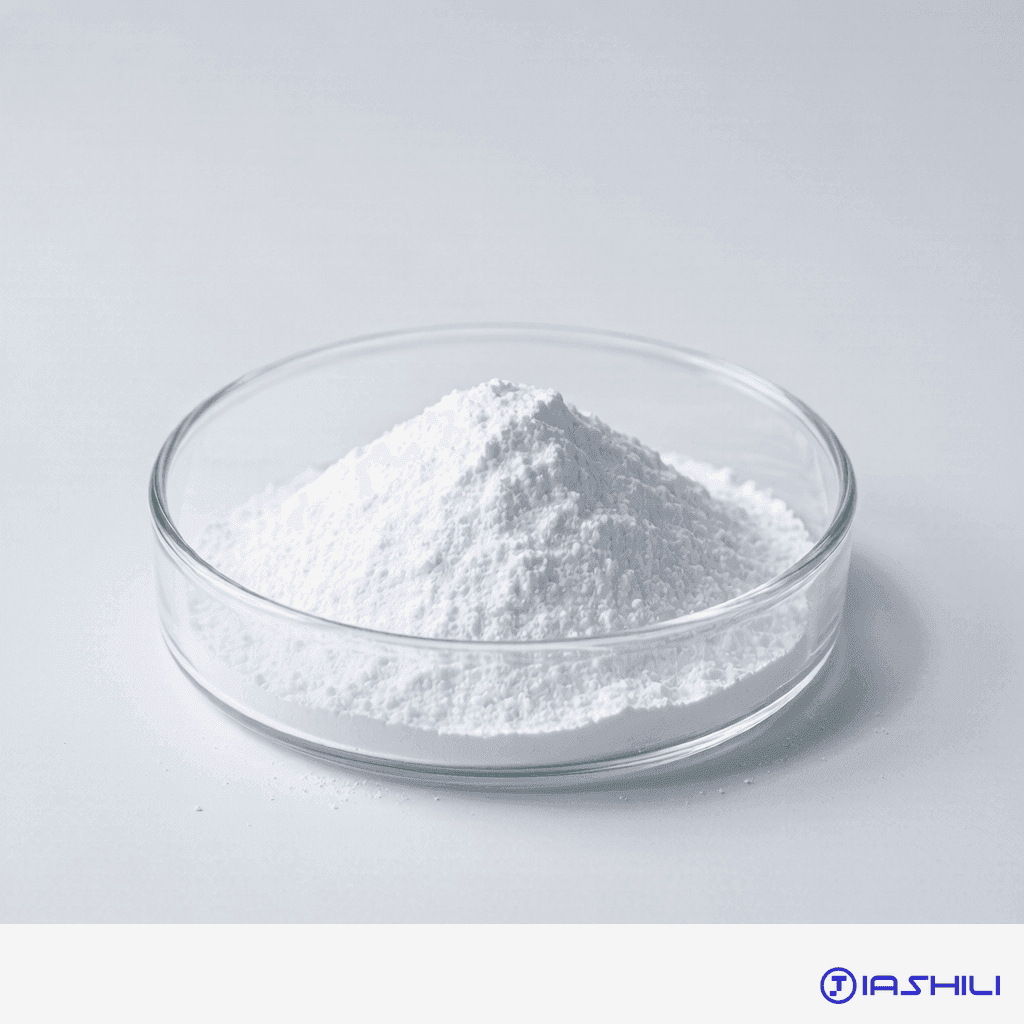 Titanium Dioxide (Rutile Type R‑369)
Titanium Dioxide (Rutile Type R‑369)
R-369 rutile titanium dioxide is a universal zirconia-alumina coated product serving as the core white pigment for coatings. It offers outstanding wet hiding power, high whiteness, and a pure blue undertone, effectively enhancing the color-removing ability, gloss, hardness, and anti-powdering performance of paint films. It is compatible with all types of architectural coatings. The recommended dosage is 10%-20% for interior latex paints and 15%-25% for exterior latex paints. It is advised to add the titanium dioxide first after the additives are incorporated and disperse it thoroughly before adding the emulsion.
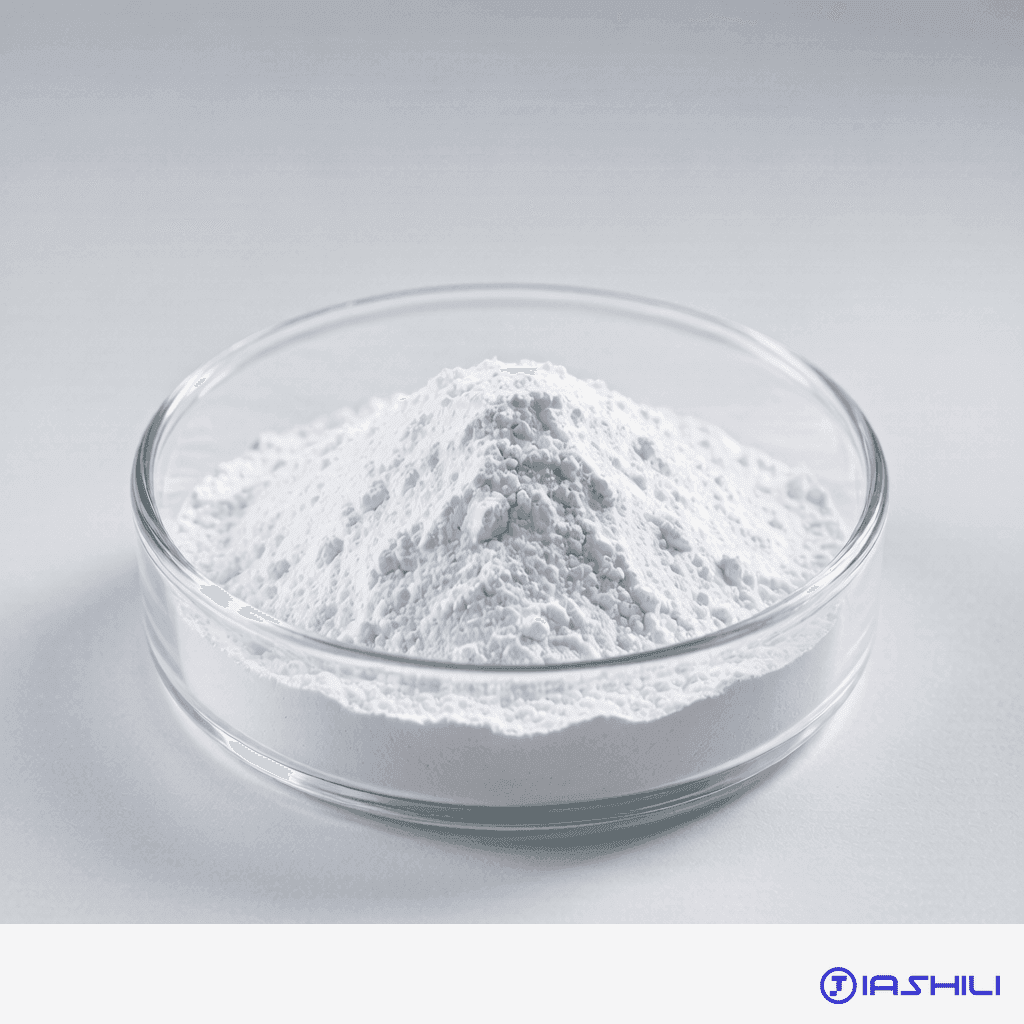 Titanium Dioxide (Rutile Type NTR‑606)
Titanium Dioxide (Rutile Type NTR‑606)
R-606 Titanium Dioxide (Rutile Type NTR-606) features a premium zirconia-alumina coating that delivers outstanding hiding power, high whiteness, and a pure blue undertone, along with excellent weather resistance. It is ideal for interior and exterior coatings, high-gloss paints, plastics, and inks. The recommended dosage is 10%-20% for interior walls, 15%-25% for exterior walls, and 18%-25% for high-gloss paints. Add it during the grinding and dispersion stage together with fillers like ground calcium carbonate, ensuring sufficient dispersant is used to achieve optimal dispersion.
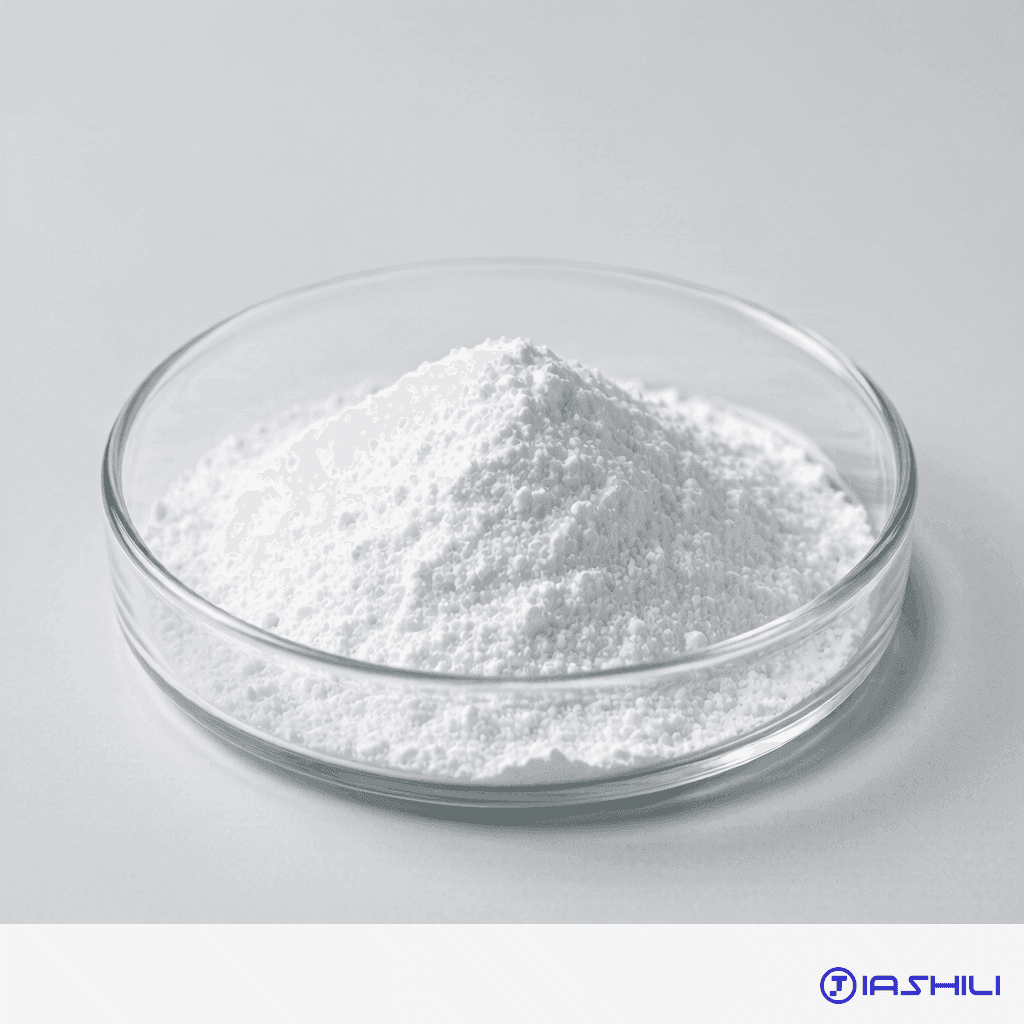 HEC‑35000 Powder(Hydroxyethyl Cellulose)
HEC‑35000 Powder(Hydroxyethyl Cellulose)
HEC-35000 is a non-ionic thickening and water-retaining agent specifically formulated for liquid water-based coatings. It is suitable for interior and exterior latex paints, water-based industrial coatings, water-based color pastes, and fireproof coatings, with a recommended dosage of 0.2%-0.45%. It effectively increases medium to low shear viscosity, enhances anti-sagging and thick-film application performance, and provides excellent water retention to extend working time. Additionally, it stabilizes pigment and filler suspension and remains stable across a pH range of 2-12. For optimal performance, pre-treat the product by wetting it with ethylene glycol or propylene glycol, or prepare a 2% pre-dissolved stock solution, and add it during the later stage of paint mixing—avoid adding it during high-temperature grinding to prevent clumping.
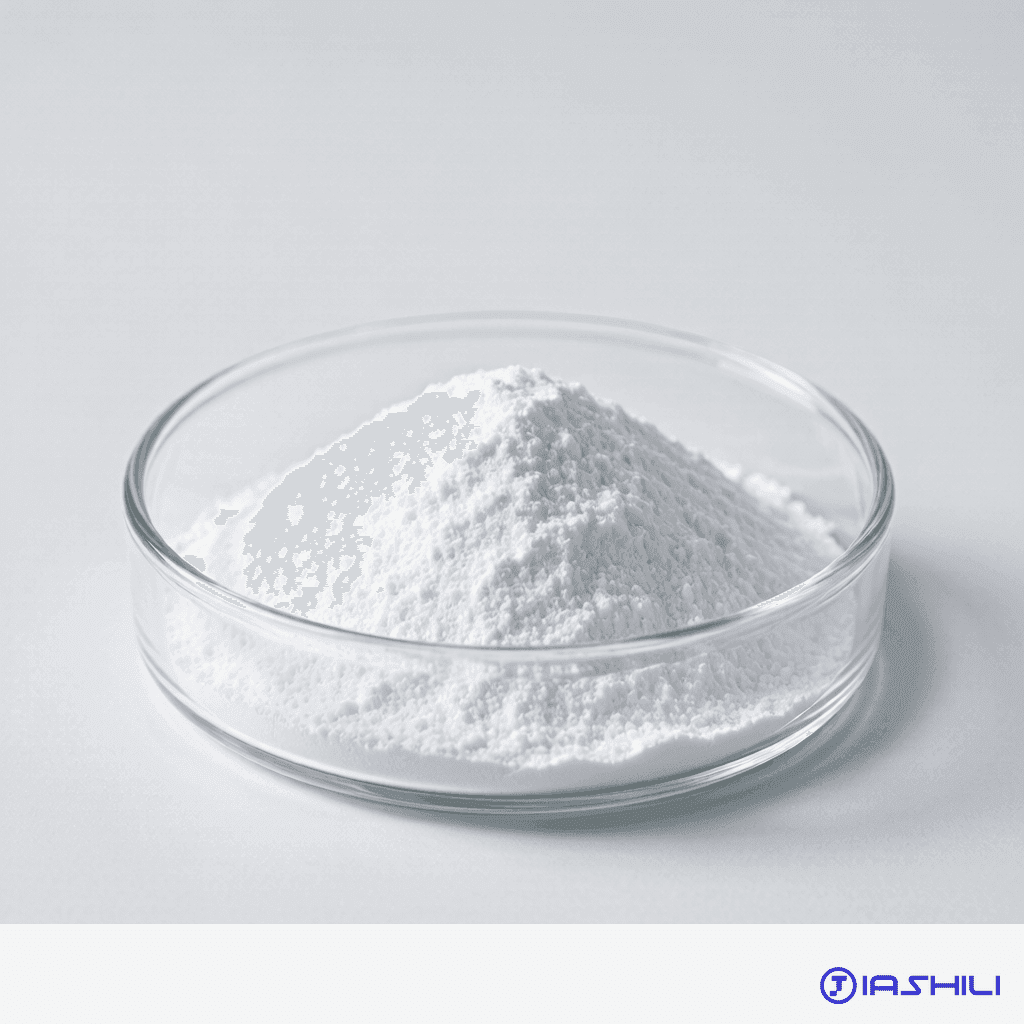 HEC‑40000 Powder(Hydroxyethyl Cellulose)
HEC‑40000 Powder(Hydroxyethyl Cellulose)
HEC-40000 Powder (Hydroxyethyl Cellulose) is a high-viscosity hydroxyethyl cellulose thickener with the highest thickening efficiency among all HEC products. It is specifically formulated for high-PVC exterior latex paints, thick primer coatings, texture coatings, and water-based industrial paints; it is not recommended for ordinary interior flat paints. Adding only 0.15%-0.35% of this product can significantly increase low-shear viscosity, offering excellent anti-sagging performance to ensure smooth, non-flowing thick coatings. It features good water retention, long open time during application, and strong pigment and filler suspension stability. Moreover, it has strong compatibility and can be used in various coating systems. For optimal performance, it should be pre-wetted with additives or pre-dissolved into a masterbatch before being added to the formulation to prevent clumping and ensure effective results.
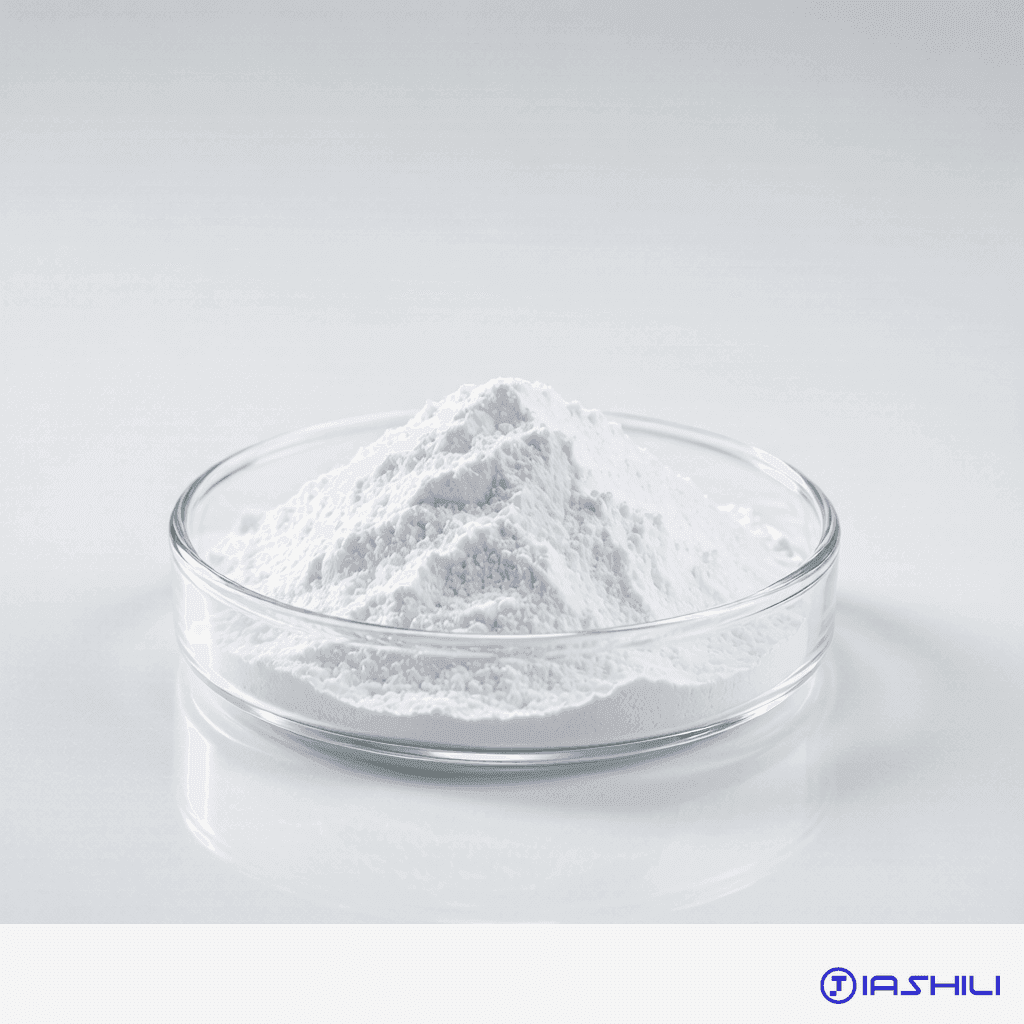 Natrosol‑250 HHBR Powder
Natrosol‑250 HHBR Powder
Natrosol-250 HHBR is a specialty anti-enzymatic modified cellulose designed for coatings. With a viscosity profile independent of the 30000/35000/40000 series, it is widely used in imported paints and high-end export formulations, suitable for interior and exterior latex paints, water-based color pastes, water-based industrial coatings, and inorganic coatings. It offers superior antibacterial and anti-enzymatic properties, high thermal storage viscosity retention, and reduced reliance on preservatives. This product delivers stable medium-to-low shear viscosity to prevent sagging and settling, while providing excellent color development and high color paste acceptability. Its strong water-retention capacity, broad pH compatibility, and stable compatibility make it a versatile additive. Thanks to its unique delayed hydration characteristic, the dry powder can be directly added to mixing water without instant swelling or clumping, significantly minimizing defects and simplifying production processes. The recommended dosage is 0.2%–0.6%.
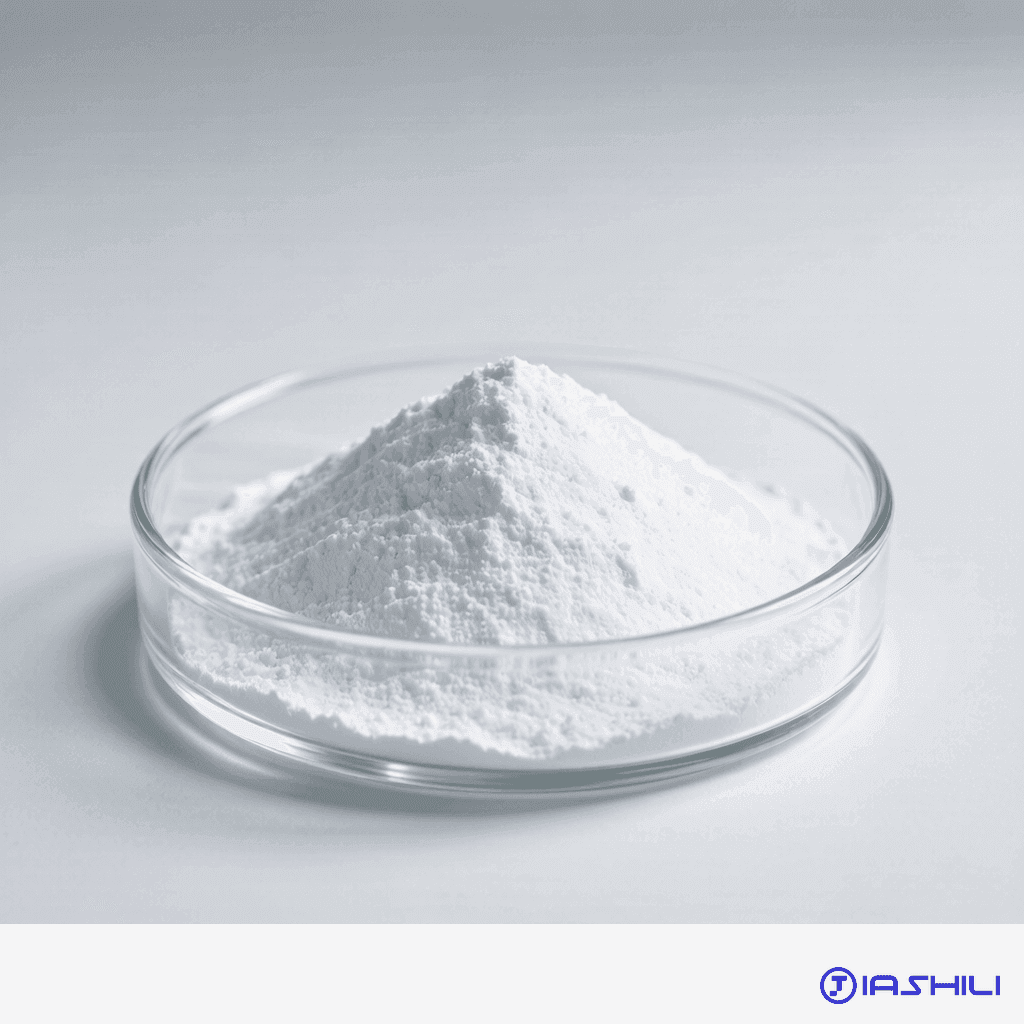 RF15 Rheology Agent
RF15 Rheology Agent
RF15 Rheology Agent is a pre-activated magnesium lithium silicate gel that can be directly added to formulations without the need for solvation and aging. It is suitable for a wide range of water-based coatings, including interior and exterior latex paints, high-PVC primers, stone-like paints, textured coatings, sand-in-water coatings, and aqueous color pastes. This agent rapidly forms a colloidal network under low shear conditions to effectively prevent the sedimentation and layering of heavy fillers such as calcium carbonate and barium sulfate. It exhibits excellent thixotropy, ensuring no sagging during storage and smooth application while barely affecting the medium-shear viscosity and gloss of the paint film. The recommended dosage is 0.4%-1.0% for ordinary interior and exterior latex paints, and 1.0%-2.0% for thick-paste coatings; optimal performance is achieved when used in combination with HEC.
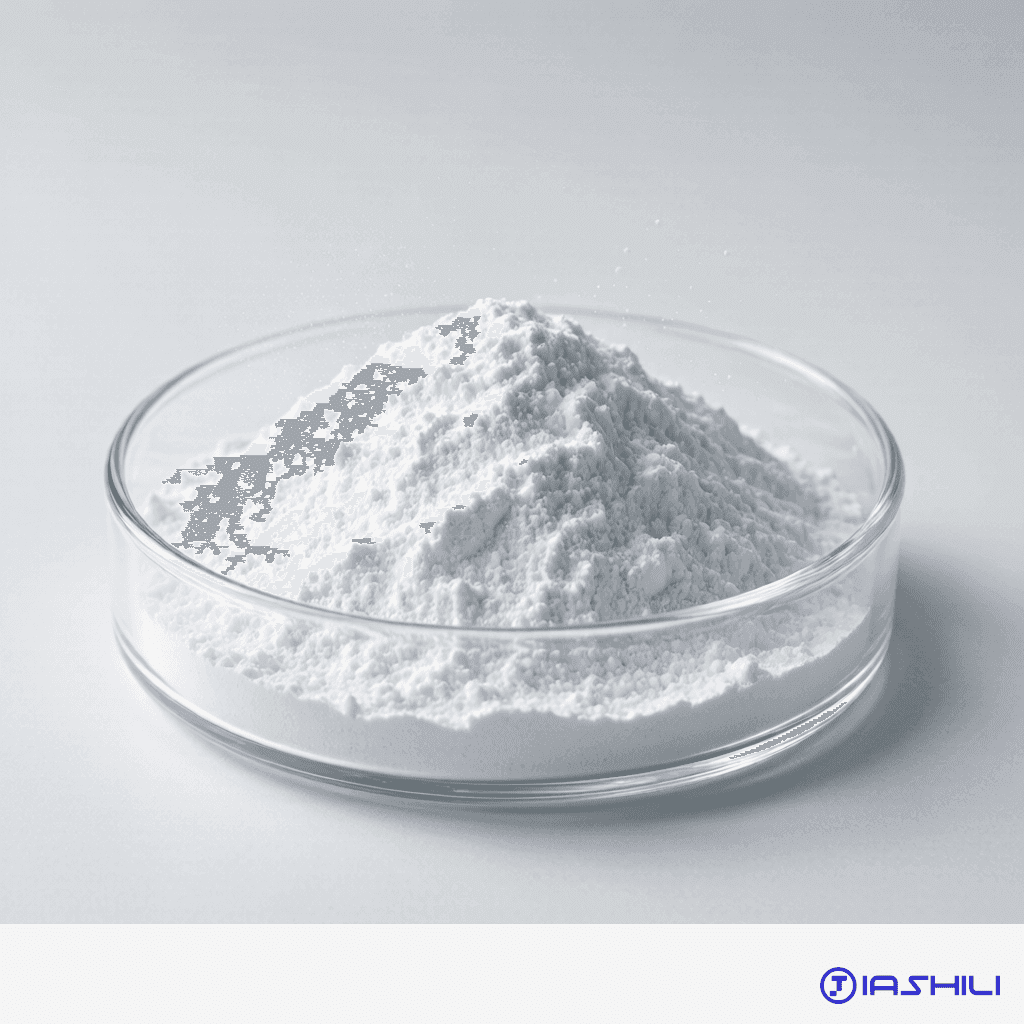 Bentonite‑880 Powder (Sodium‑Montmorillonite)
Bentonite‑880 Powder (Sodium‑Montmorillonite)
Bentonite‑880 Powder is a rheology-modifying powder specifically designed for water-based systems, suitable for interior and exterior latex paints, high-PVC primers, and textured coatings. It forms a three-dimensional colloidal network that prevents settling and sagging under low shear, while avoiding filler precipitation and phase separation. Featuring a shear-thinning thixotropic structure, it balances anti-sagging performance with smooth application properties. As an inorganic material, it offers excellent weather resistance without yellowing, does not increase medium-shear viscosity, and cannot replace primary thickeners like HEC or PU; however, it effectively improves color development and reduces color mottling. The recommended dosage is 0.3%-0.6% for general interior/exterior latex paints and 0.6%-1.2% for thick-textured stone-like coatings. A pre-gel solution with 5%-8% concentration must be prepared prior to use; direct addition of dry powder to the reactor is strictly prohibited.
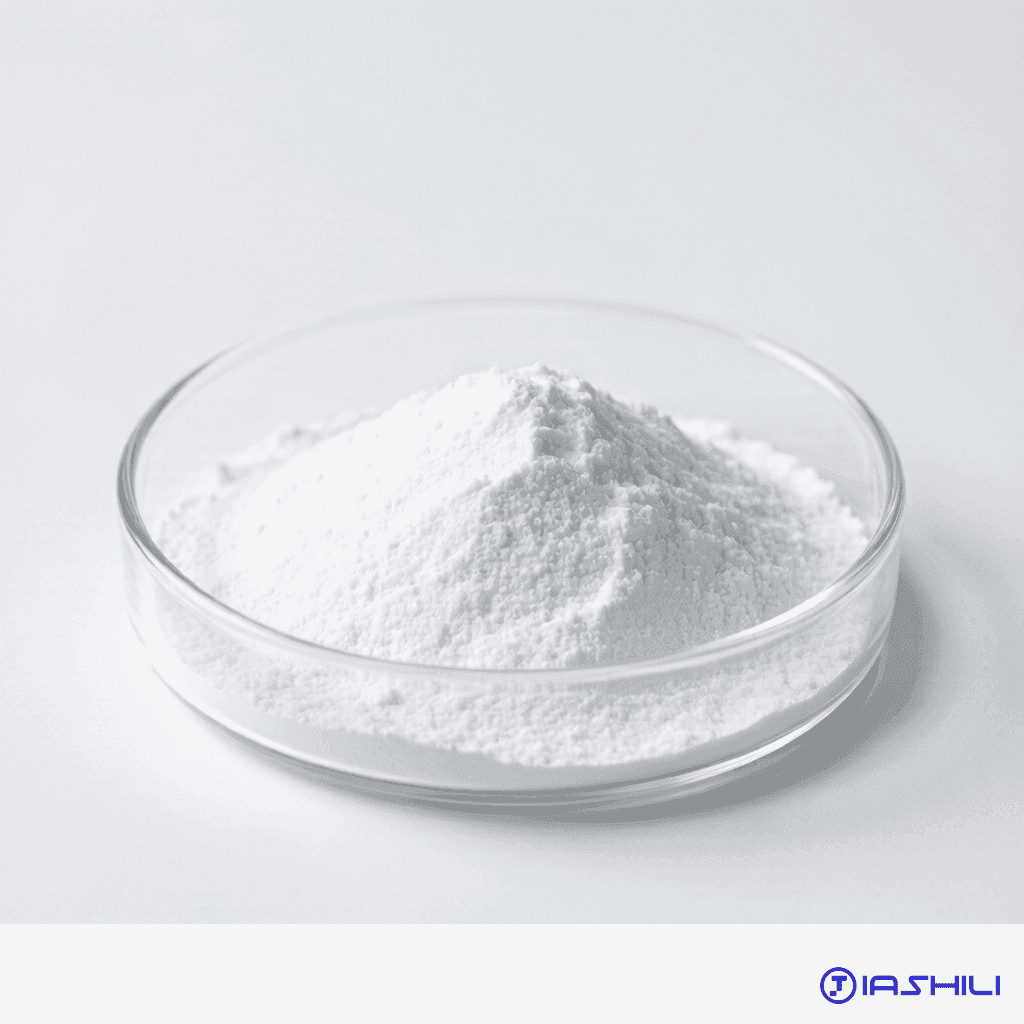 Organic Bentonite 881
Organic Bentonite 881
Organic Bentonite 881 is a rheology modifier specifically formulated for solvent-based systems. It is suitable for alkyd paints, industrial primers, floor coatings, anti-corrosion paints, inks, and body fillers. This product effectively prevents filler settling and sagging, while offering excellent thixotropic properties that ensure smooth application without dripping even when applied thickly. Additionally, it exhibits heat and weather resistance without yellowing, making it ideal for baking-type coatings. The recommended dosage is 0.5%-1.0% for topcoats and 1.0%-2.0% for primers, thick coatings, and body fillers.
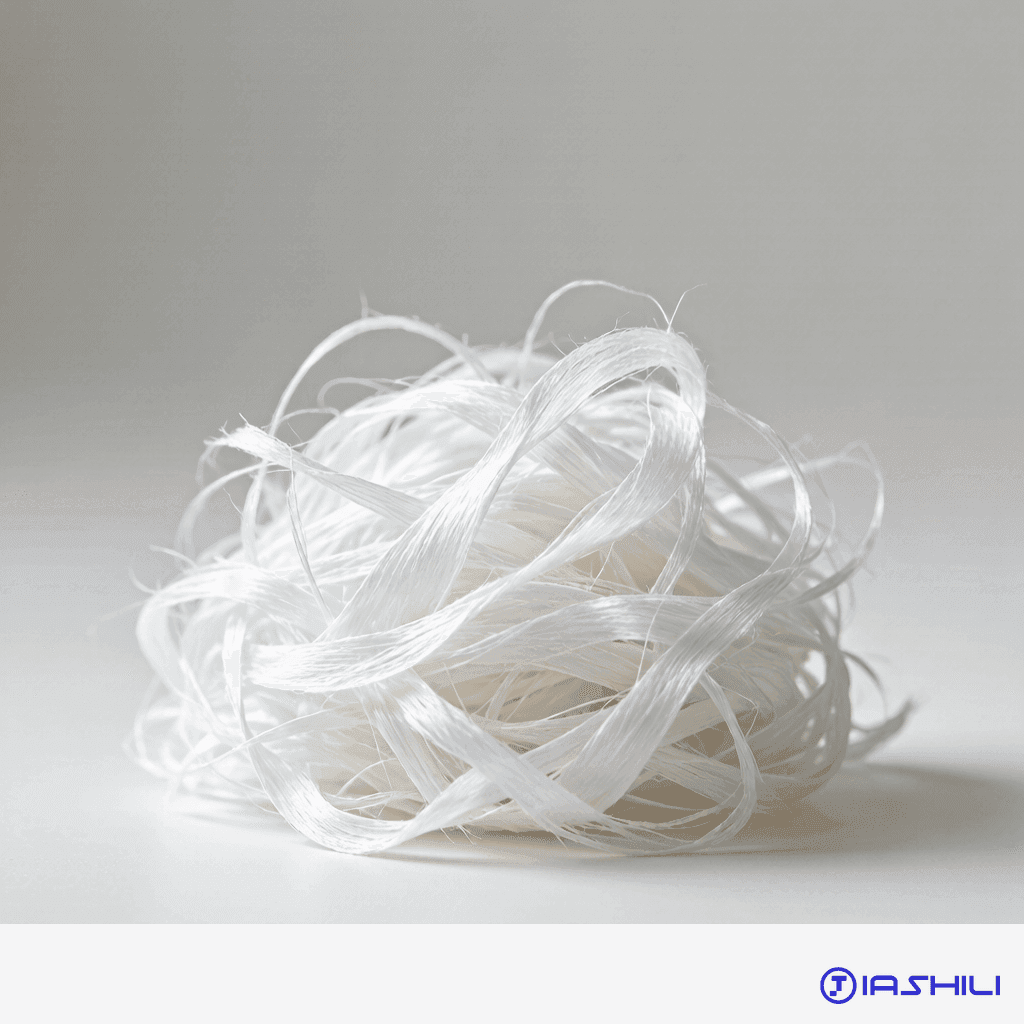 Wood‑Cellulose Fiber 882 (Beech‑wood)
Wood‑Cellulose Fiber 882 (Beech‑wood)
Wood-Cellulose Fiber 882 (Beech-wood) is a specialized anti-cracking fiber designed for thick-film coatings, including stone-textured paints, textured coatings, and elastic exterior paints. It forms an interwoven fibrous structure that greatly reduces drying-induced cracking, enhances anti-sagging and breathability properties, and prevents filler sedimentation. Compatible with neutral to weakly alkaline systems, the recommended dosage is 0.3%-0.8% for stone-textured coatings, 0.2%-0.5% for elastic exterior paints and high-PVC primers, and 0.1%-0.3% for ordinary topcoats. For optimal performance, disperse the fiber at high speed for 8-15 minutes during application.
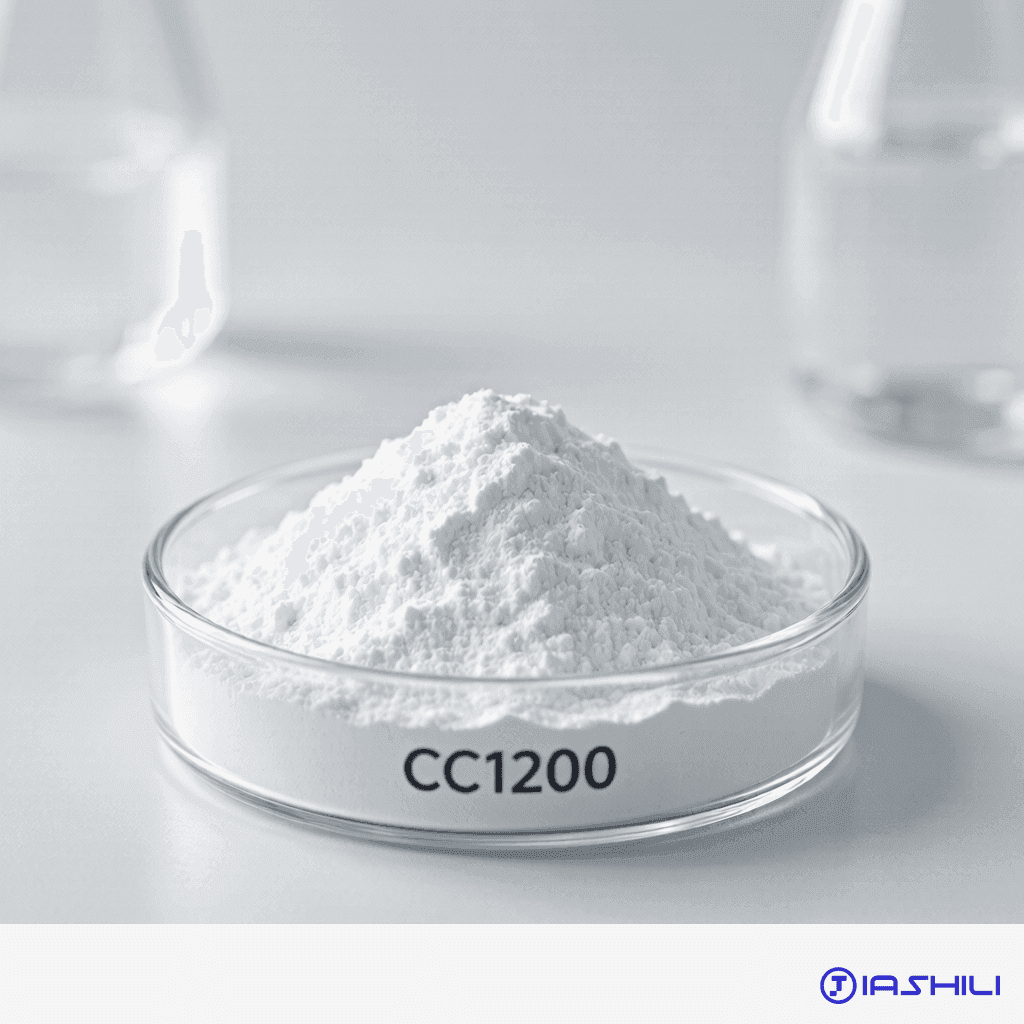 CC-1200 Ground Calcium Carbonate
CC-1200 Ground Calcium Carbonate
CC-1200 Ground Calcium Carbonate is a high-performance ultra-fine extender filler with a particle size ≤40μm. It boasts excellent alkali resistance, significantly enhancing film hardness, fullness, and sanding feel while allowing precise gloss adjustment. Note that it has no hiding power and cannot replace titanium dioxide. The recommended dosage is 15%-30% for interior matte paints and 10%-20% for exterior latex paints; use minimal amounts in high-gloss paints to prevent loss of gloss. This filler is compatible with a wide range of systems including water-based latex paints, solvent-based coatings, powder coatings, and inorganic coatings. For optimal performance, ensure adequate dispersant is used during application to maintain uniform dispersion.
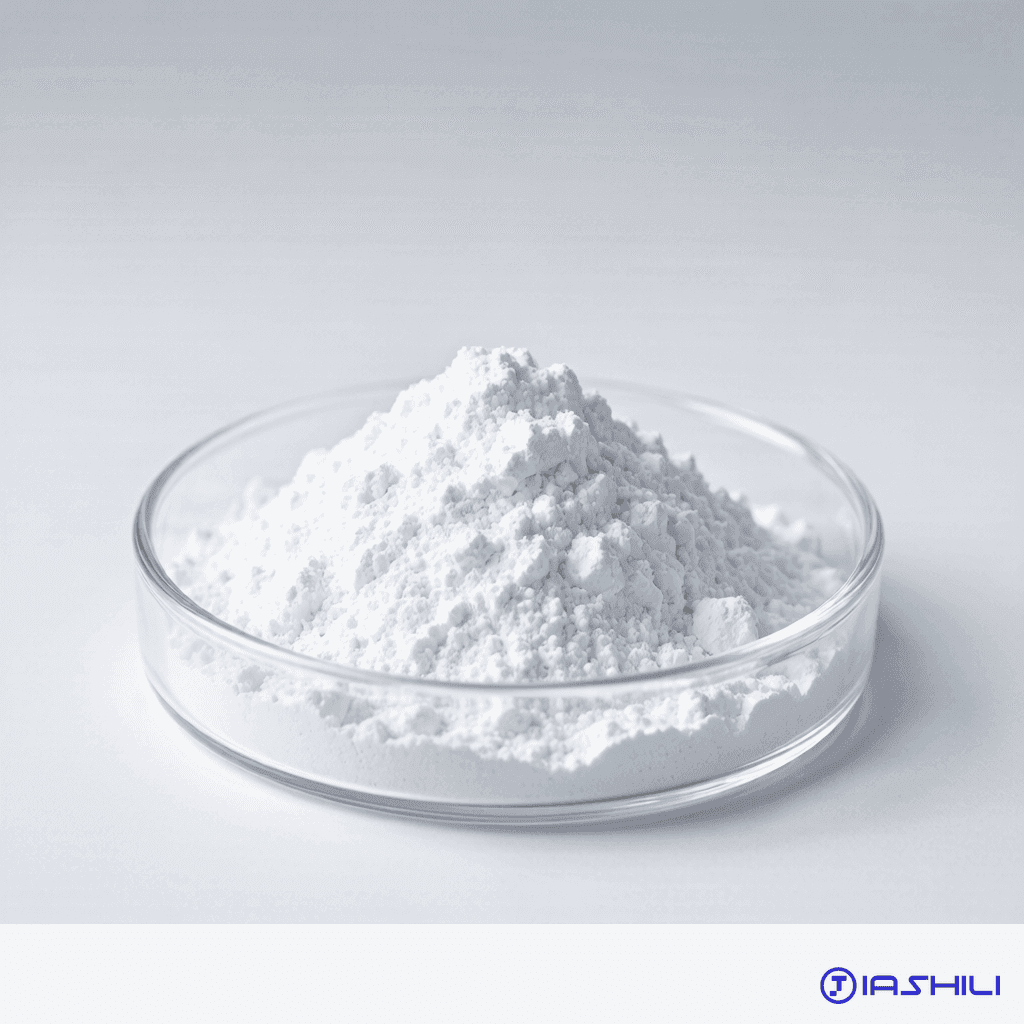 CC-1250 Ground Calcium Carbonate
CC-1250 Ground Calcium Carbonate
Oriental Red CC1250 fine ground calcium carbonate is a Huizhou-produced coating-grade filler with ultra-fine particles and high purity, specifically formulated for premium smooth coatings. Its addition can raise the PVC value and work synergistically with titanium dioxide to enhance whiteness, resulting in smoother, more even films with superior scrub resistance. It also helps thicken the dry film, seal substrate pores, and improve rheological properties. The recommended dosage is 15%-28% for interior walls and 8%-18% for exterior walls; feed the material in batches at low speed and disperse it at 1100-1500 rpm for 18-28 minutes until the fineness reaches ≤35μm.
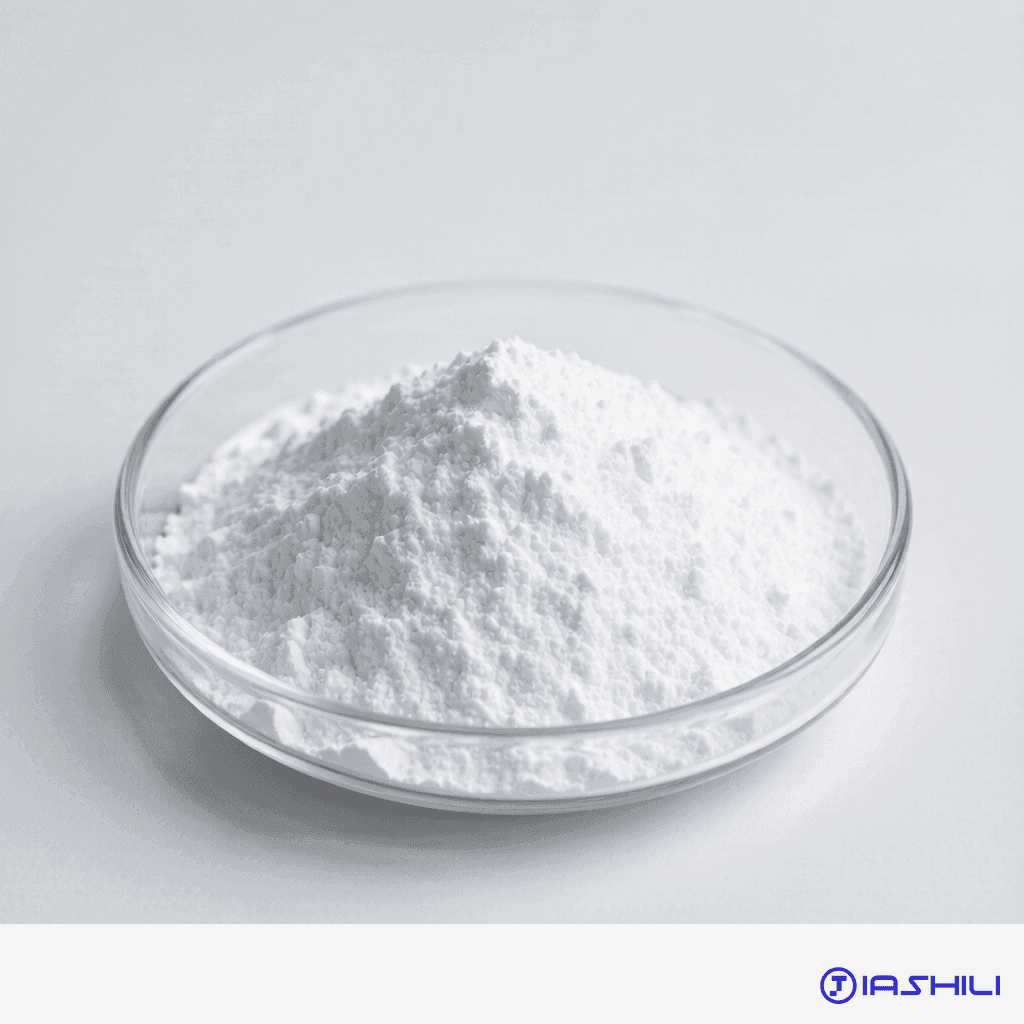 CC-800 Ground Calcium Carbonate
CC-800 Ground Calcium Carbonate
CC-800 Ground Calcium Carbonate is an economical extender filler featuring low cost, low oil absorption, and excellent dispersibility. It effectively enhances paint film hardness and sanding performance while offering no hiding power. Suitable for interior wall paints, primer coatings, putties, and more, with an optimal addition range of 12%–55%. For best results, disperse at 900–1300 rpm for 12–20 minutes to achieve a fineness of ≤50μm.
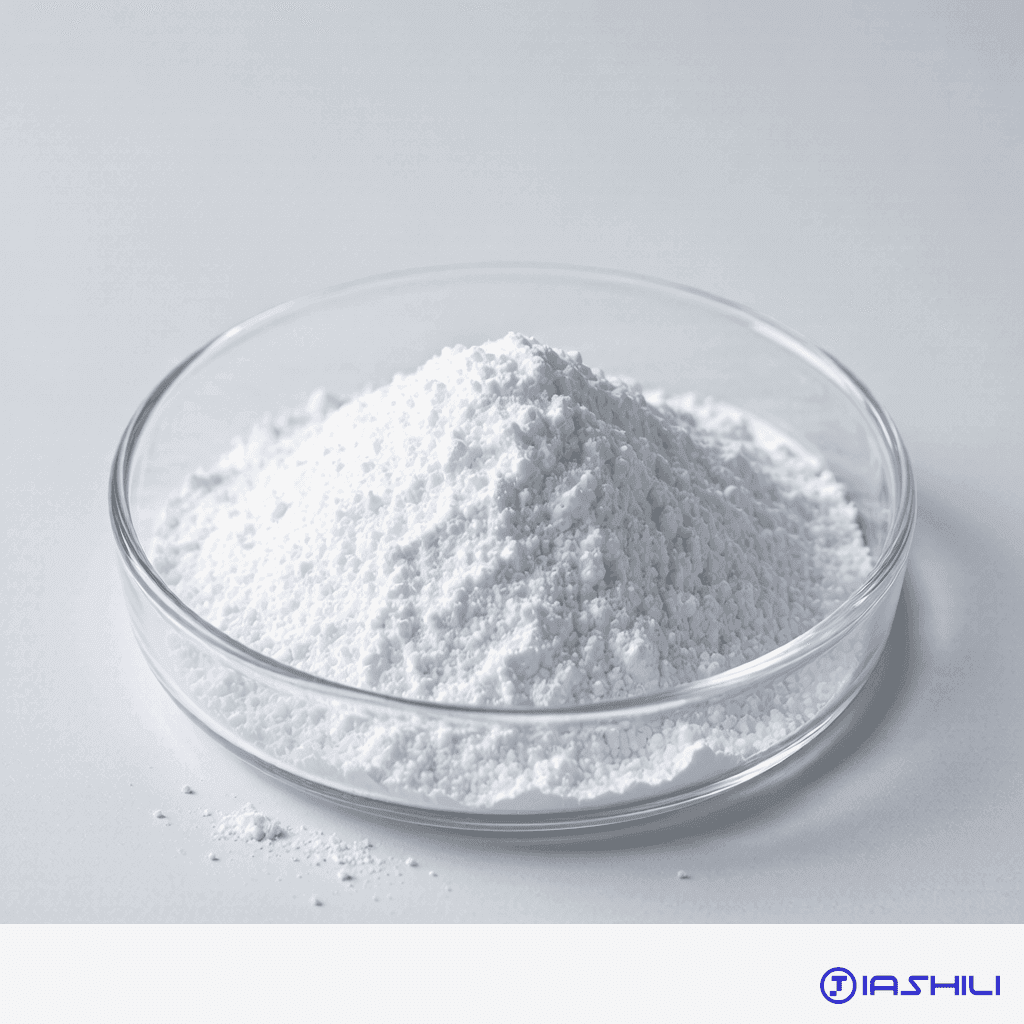 CC-400 Ground Calcium Carbonate
CC-400 Ground Calcium Carbonate
CC400 Ground Calcium Carbonate is a ultra-low-cost coarse filler featuring minimal oil absorption, excellent dispersibility, and low demand for dispersants. It significantly enhances film hardness and sandability, helping reduce costs while improving performance in putties, textured paints, and thick exterior primer applications. Recommended dosage: 40%-65% for putties/textured paints, 25%-45% for thick primers, 15%-30% for industrial primers; surface coats should contain no more than 5%. Adequate dispersant must always be used regardless of fill level to prevent settling and coarsening.
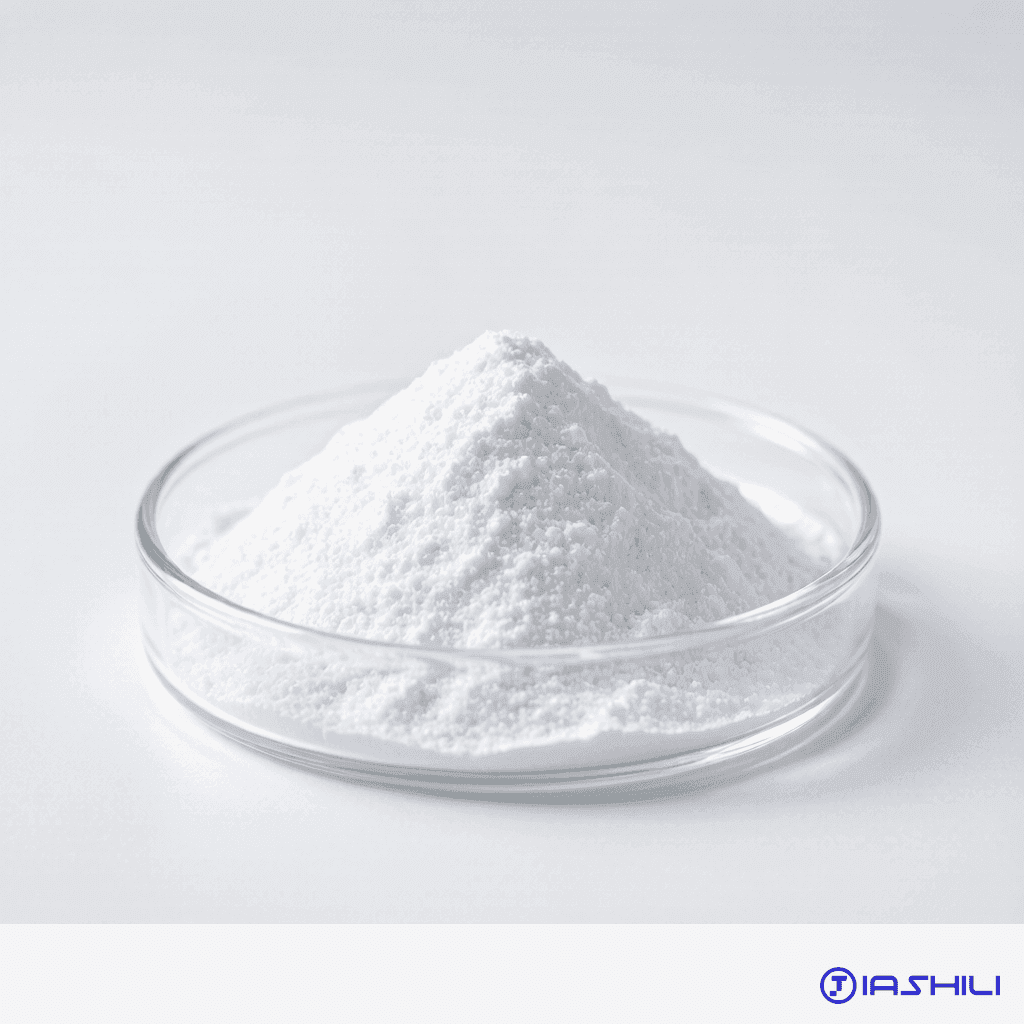 Wollastonite (Calcium metasilicate)
Wollastonite (Calcium metasilicate)
General-purpose wollastonite (calcium metasilicate) is a needle-shaped functional extender pigment suitable for water-based latex paints, inorganic coatings, powder coatings, and various specialty coatings. It significantly enhances film hardness, scrub resistance, and crack resistance, while providing alkaline buffering and whitening/covering effects to improve the weather and aging resistance of exterior walls. For primer, anti-corrosion, and fireproof coating systems, 800-1250 mesh grades (D50: 8-15μm) are recommended; for topcoats and high-gloss latex paints, ultra-fine 1250-2500 mesh grades (D50≤5μm) are preferred. The typical addition level in architectural latex paints is 5%-15%; overuse should be avoided to prevent loss of gloss. It is advised to add this material during the grinding and dispersion stage together with ground calcium carbonate, talc, and titanium dioxide.
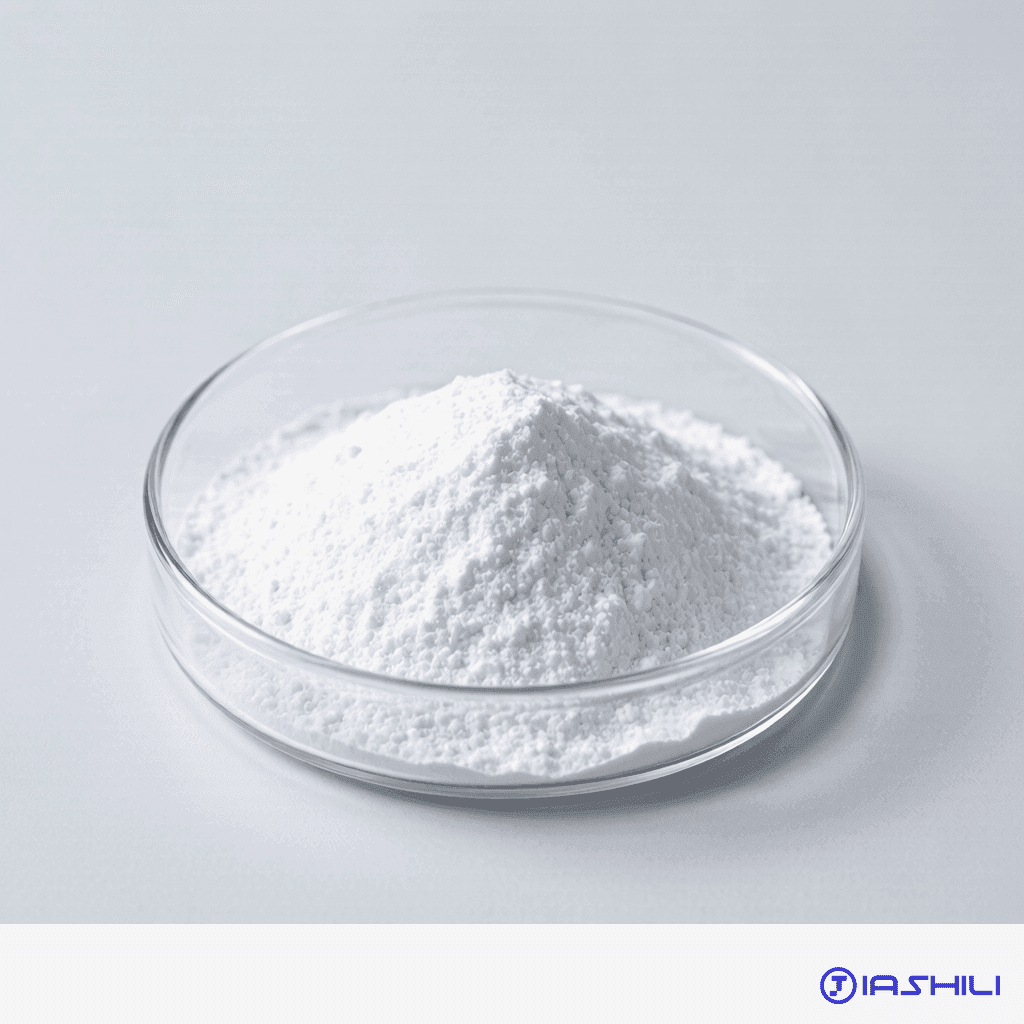 1250 Mesh Wollastonite
1250 Mesh Wollastonite
1250 Mesh Wollastonite is a fine-particle needle-shaped functional filler that significantly enhances film hardness, scrub resistance, and crack resistance. It also helps regulate alkalinity, improve hiding power, and boost outdoor weather resistance. The recommended dosage ranges from 6% to 14% for latex paints, 8% to 16% for inorganic coatings, and 10% to 18% for primers, fireproof coatings, and powder coatings. For high-gloss finishes, only the silane-modified version of this product should be used, as ordinary unmodified types reduce film gloss. Its crack resistance is slightly inferior to that of 800-mesh wollastonite, so coarse-particle variants are preferred for thick-film crack-resistant systems. This product can be added directly during the grinding stage for dispersion.
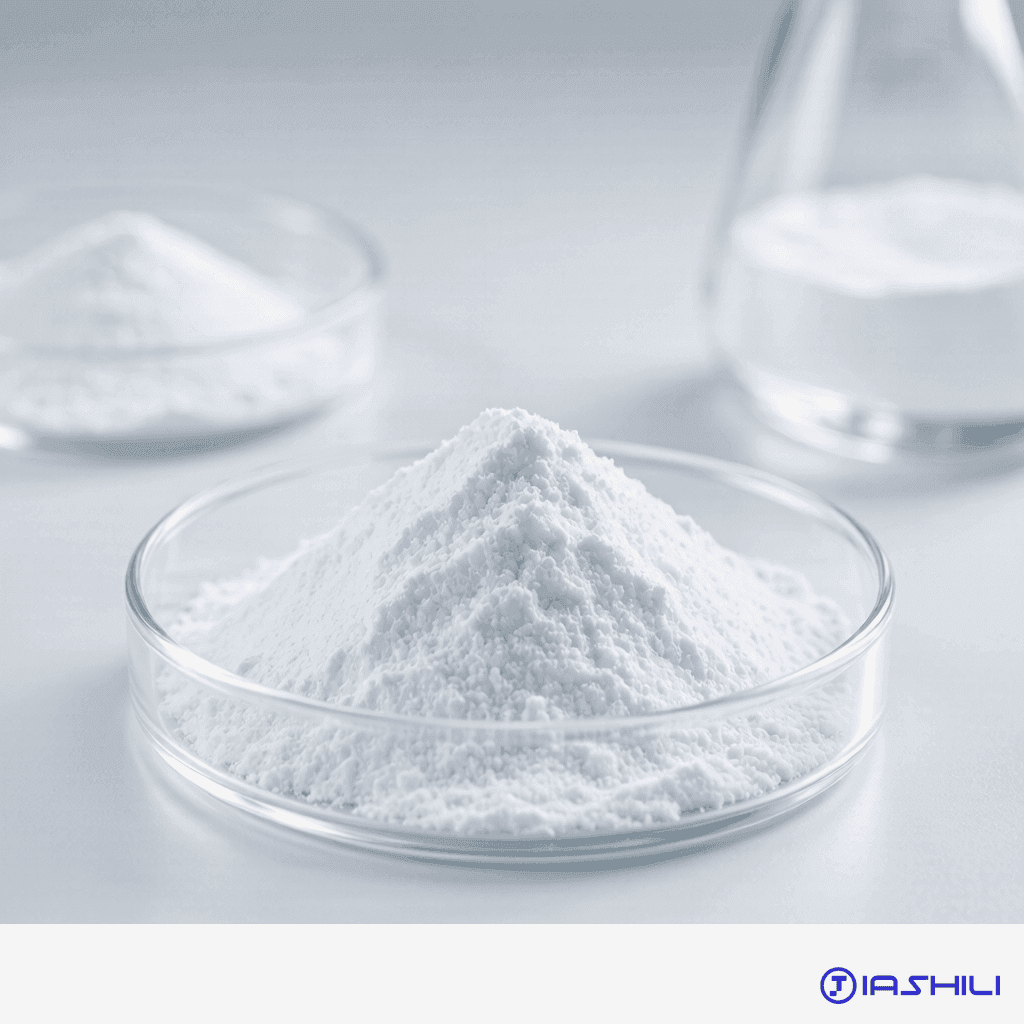 1250‑mesh Mica Powder(Potassium Aluminum Phyllosilicate)
1250‑mesh Mica Powder(Potassium Aluminum Phyllosilicate)
The 1250-mesh Mica Powder (Potassium Aluminum Phyllosilicate) is a high-performance flaky functional filler. Its unique layered structure effectively blocks moisture, oxygen, and ultraviolet rays, significantly enhancing the weather resistance, water resistance, and crack resistance of paint films. For architectural latex paints, the recommended dosage is 3%-8% (not exceeding 10%); for anti-corrosion primers and epoxy systems, it’s 5%-12%, and 4%-9% for inorganic coatings. Use with caution in high-gloss topcoats, as standard 1250-mesh mica has a matting effect that reduces gloss — surface-modified special grades are recommended to balance protective performance and high gloss. During production, add it during the grinding and dispersion stage together with pigments and fillers. Small-scale trials must be conducted and passed before mass production when changing mineral sources or batches.
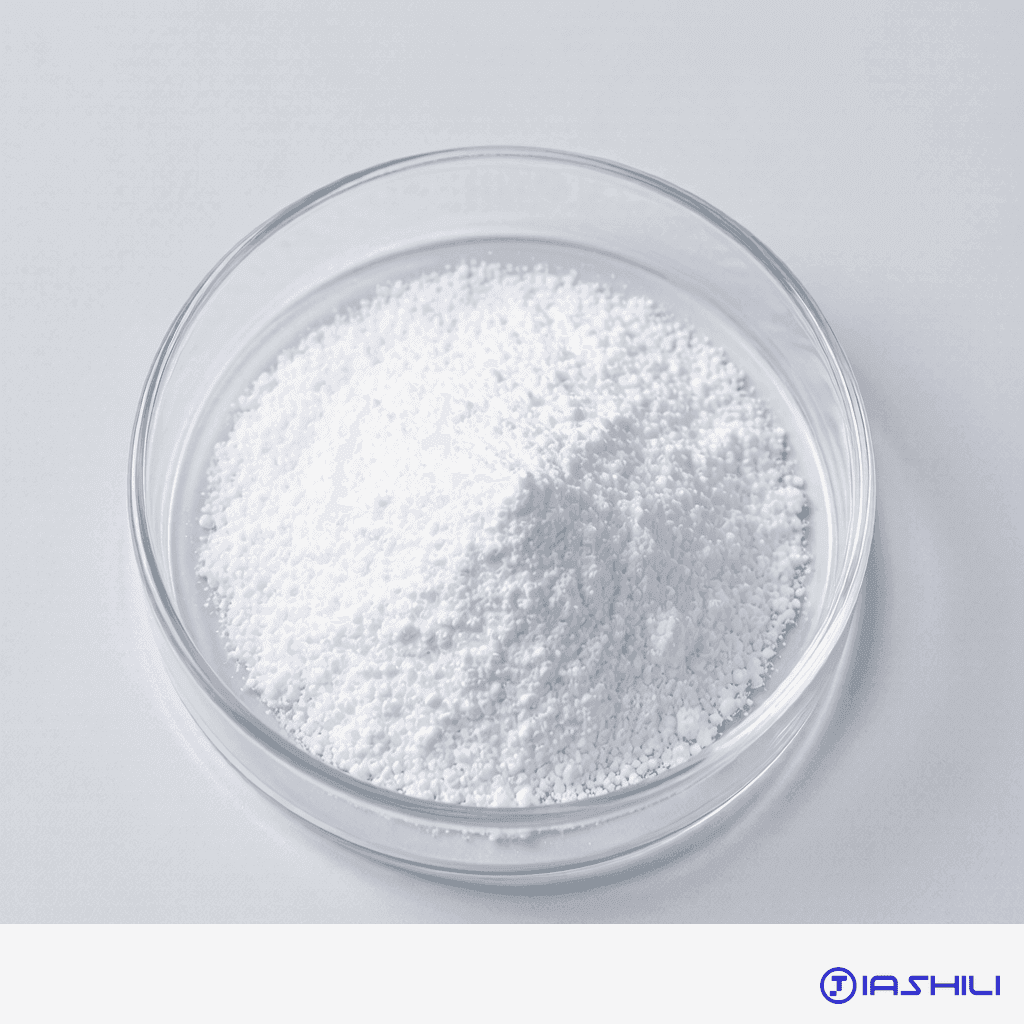 Barium Sulfate (Natural Barite)
Barium Sulfate (Natural Barite)
Bawang Barium Sulfate (Natural Barite) is a high-performance extender pigment featuring ultra-low oil absorption, enabling high loading rates that reduce formulation costs. It exhibits excellent chemical stability, resisting acids, alkalis, and neutral media, making it suitable for all types of coating systems. This product significantly enhances film density, hardness, water resistance, and weather resistance while improving titanium dioxide dispersion efficiency and covering power. It maintains its performance without yellowing or powdering even under outdoor conditions and demonstrates outstanding salt spray resistance. Recommended dosage ranges from 1%–4% for interior latex paints, 2%–6% for exterior latex paints, and 5%–12% for industrial anti-corrosion coatings. It should be added during the grinding and dispersion stage together with other pigments and fillers.
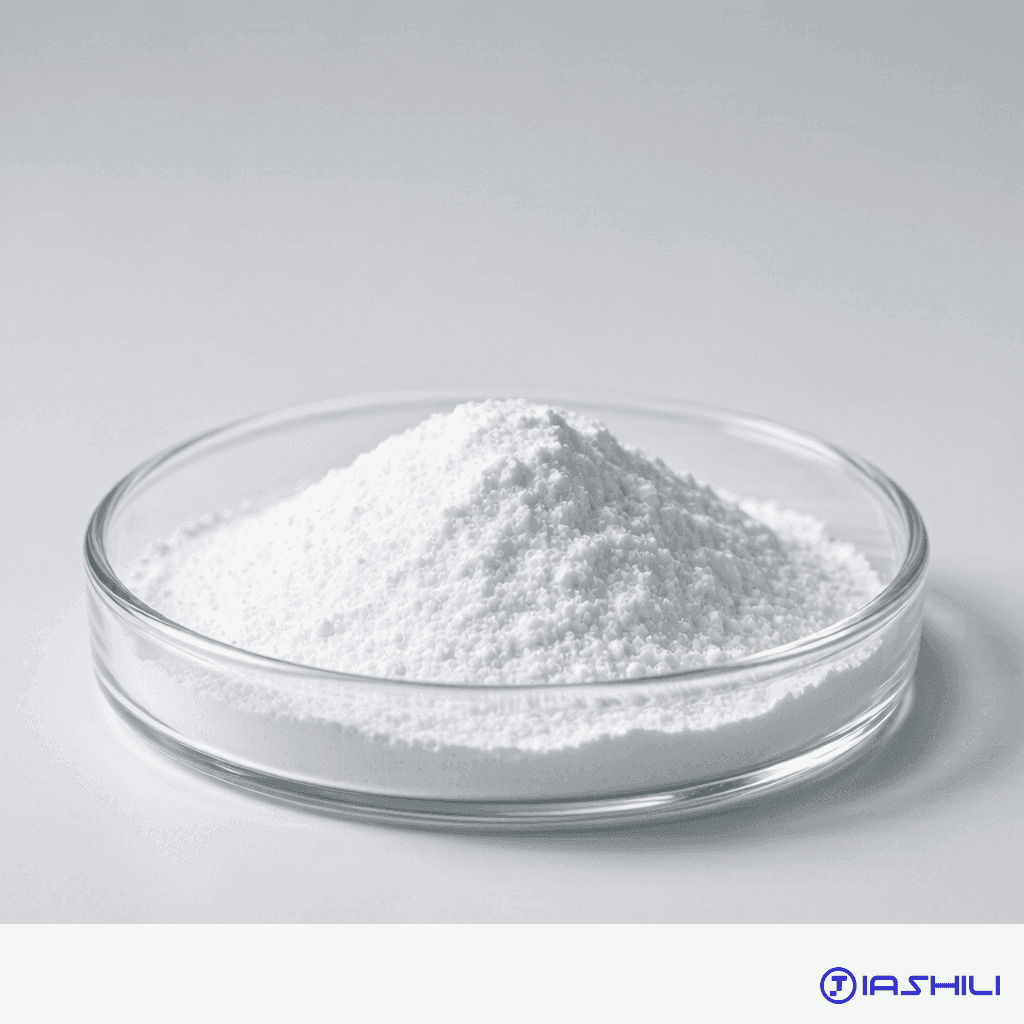 Precipitated Barium Sulphate (Blanc Fixe)
Precipitated Barium Sulphate (Blanc Fixe)
High-gloss Barium Sulfate 1250 mesh is a functional filler designed for premium coatings. It features regular particle morphology without sharp edges, delivering significantly better film gloss and distinctness than natural barite barium sulfate. With low oil absorption and high fillability, it effectively reduces formulation costs. Boasting a refractive index of 1.63–1.65 and strong dry hiding power, it works synergistically with titanium dioxide to enhance film fullness and white stability. This product exhibits excellent resistance to acids, alkalis, weathering, and salt spray, making it suitable for all types of high-end coatings. Typical addition levels are 1%–3% for interior architectural latex paints, 2%–5% for premium exterior and high-gloss paints, and 5%–12% for industrial anti-corrosion paints.
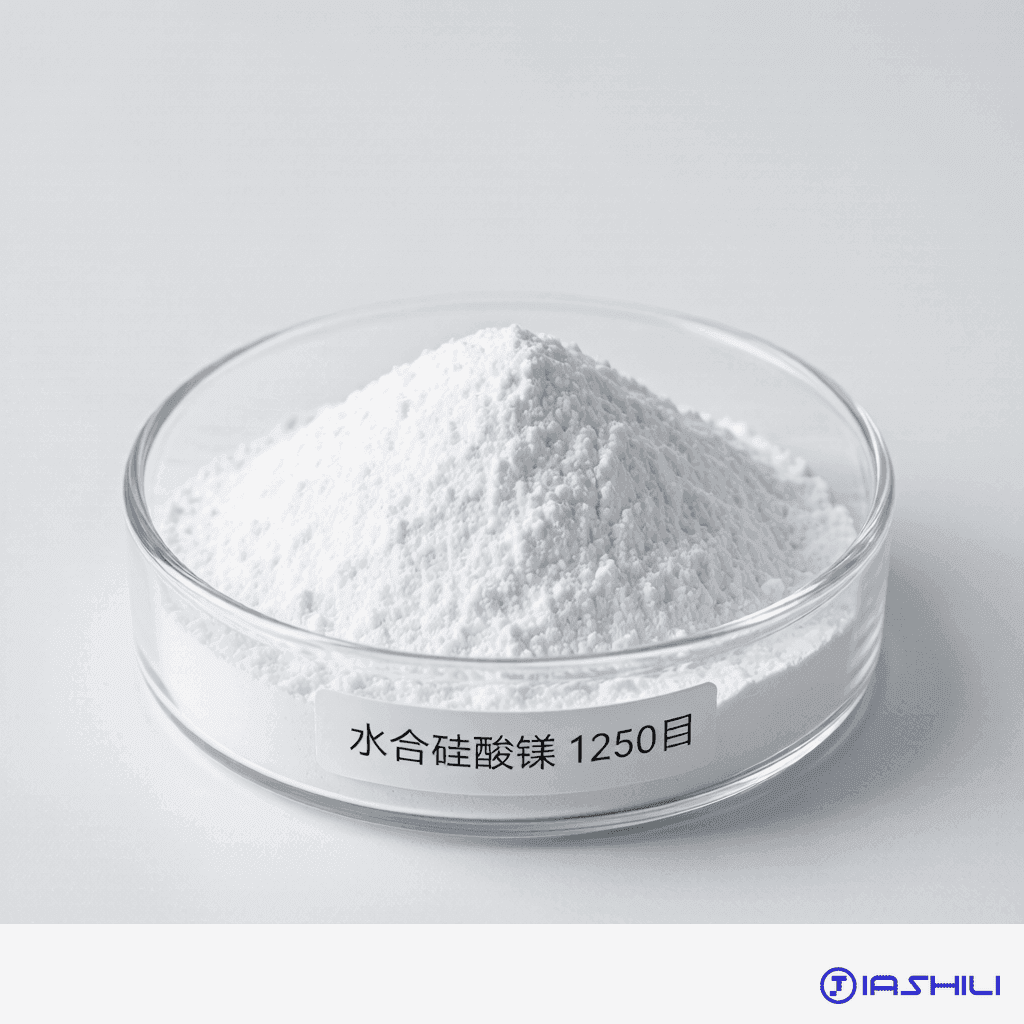 1250‑mesh Talc Powder
1250‑mesh Talc Powder
The 1250-mesh talc powder is a non-asbestos grade natural mineral filler designed for coatings. Its flaky structure enhances the water resistance, anti-permeability, and smoothness of paint films while reducing brush marks and cracking risks. With extremely low hardness, it does not damage processing equipment and helps cut formulation costs when used alongside titanium dioxide. It is suitable for interior latex paints (additive amount: 4%-10%), putty systems (8%-18%), and powder coatings (5%-12%). Featuring excellent chemical stability, it is compatible with acid, neutral, and alkaline coating systems.
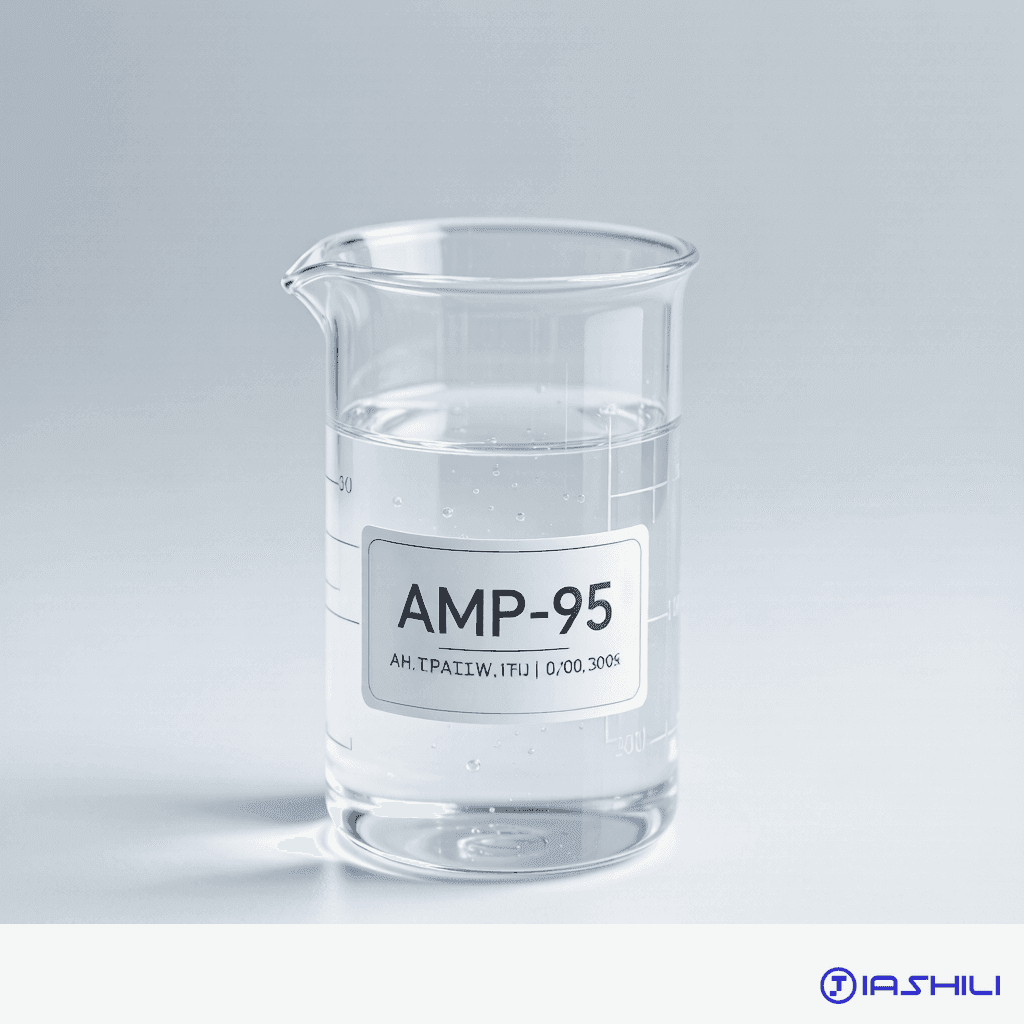 AMP‑95 Multifunctional Additive
AMP‑95 Multifunctional Additive
AMP‑95 multifunctional additive is a universal additive for water-based coatings, suitable for interior and exterior latex paints, water-based color pastes, water-in-sand coatings, and water-based industrial paints. It precisely adjusts the system pH to the optimal range of 8.0–9.5, ensuring the activity of thickeners and stable dispersion of pigments and fillers, while reducing color mottling and enhancing the water and scrub resistance of the film. The recommended dosage is 0.1%–0.3%.
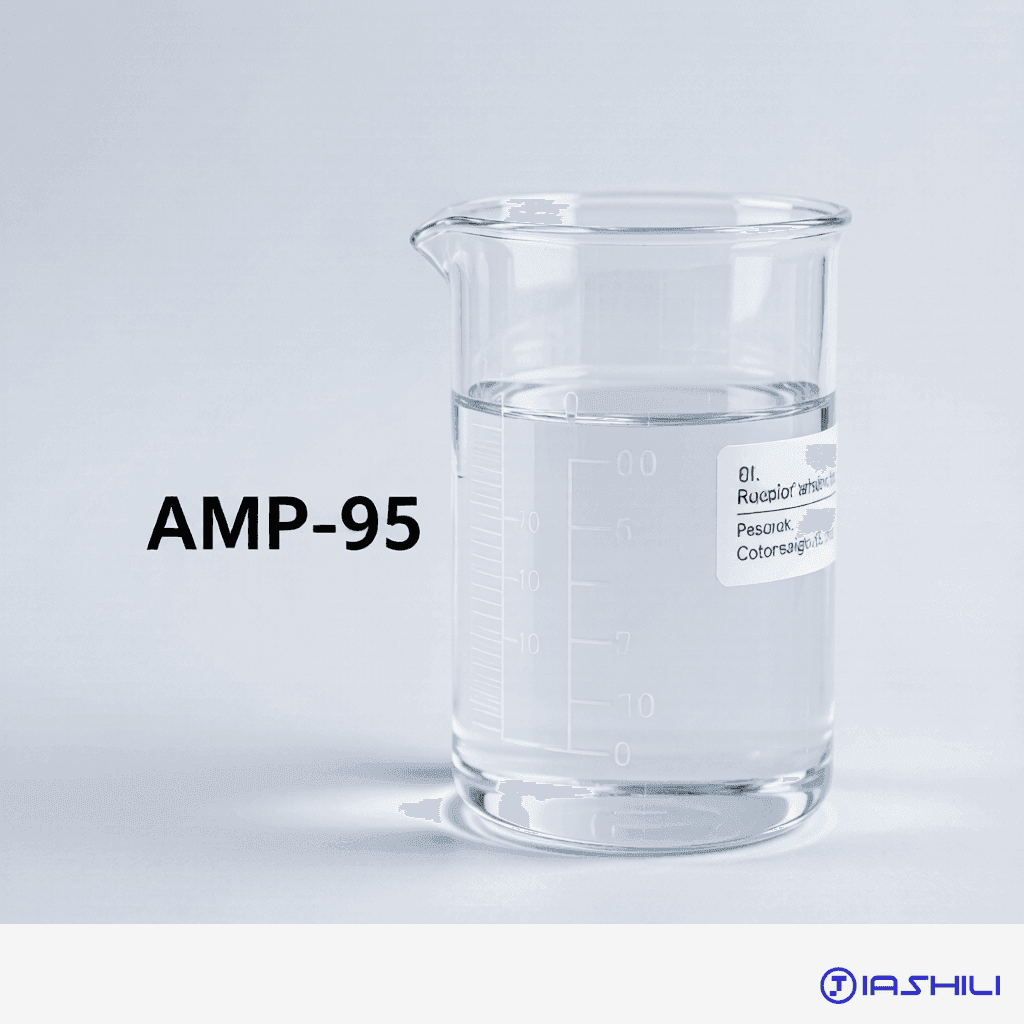 Imported AMP‑95 Multifunctional Additive
Imported AMP‑95 Multifunctional Additive
The imported AMP-95 multifunctional additive is a premium modified imported product designed for high-end interior and exterior latex paints, high-gloss topcoats, water-based color pastes, and high-performance waterborne industrial coatings. It precisely maintains the system pH within the stable range of 8.0–9.5, significantly enhancing rheological stability and pigment dispersion while reducing the required amount of dispersant. The recommended dosage is 0.05%–0.30% of the total coating mass; it should be diluted first and added slowly during application.
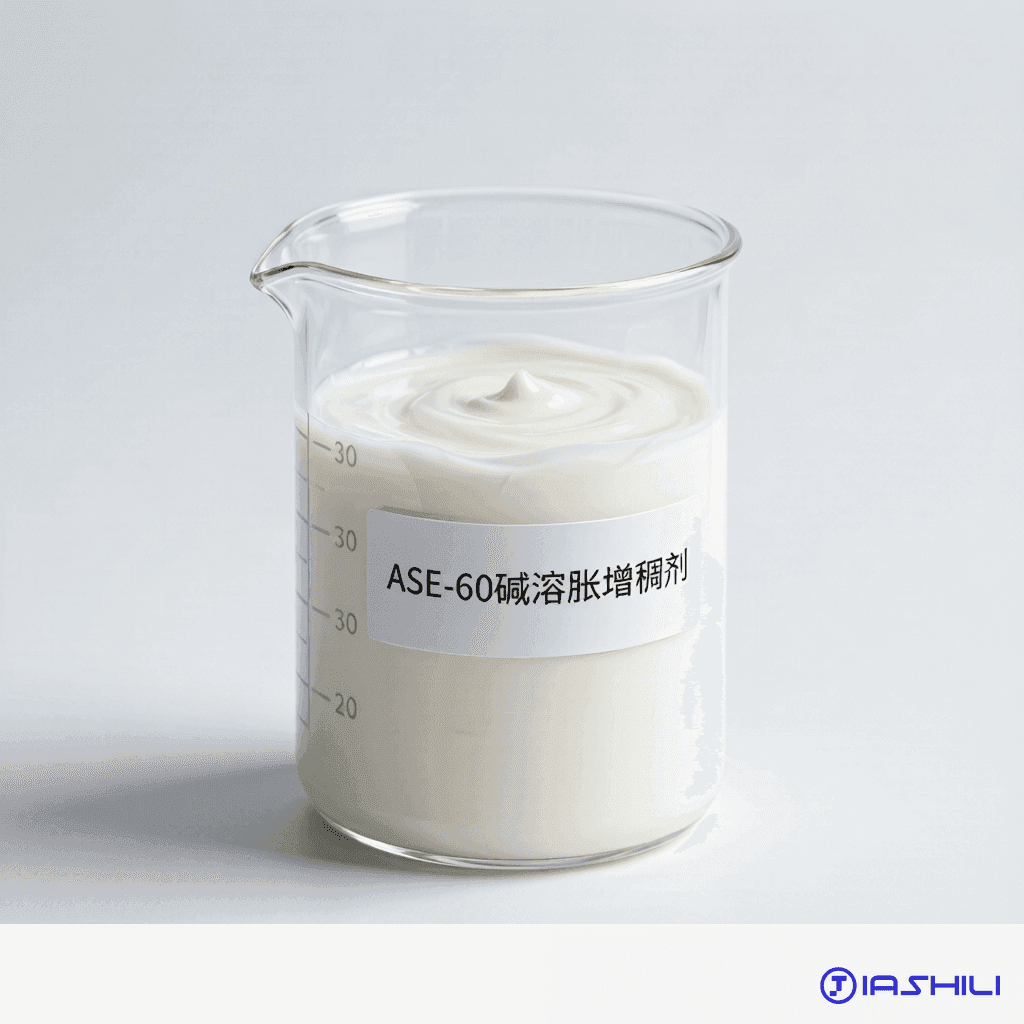 Acrysol™ ASE‑60 Thickener
Acrysol™ ASE‑60 Thickener
Acrysol™ ASE‑60 is a classic anionic alkali-swellable thickener designed for interior and exterior latex paints, high-PVC primers, textured/stucco coatings, and external insulation systems. It markedly increases low-shear viscosity to form a stable gel structure, effectively preventing sagging, pigment settling, and roller splattering. Thanks to its excellent pseudoplasticity, viscosity drops rapidly during application to ensure smooth film formation, while quickly recovering its viscosity upon standing. It exhibits outstanding resistance to enzymatic and microbial degradation, guaranteeing long-term viscosity stability. The recommended dosage ranges from 0.2% to 1.2%, and the system pH must be ≥8.0 to activate its thickening performance optimally (ideal pH range: 8.5–9.5).
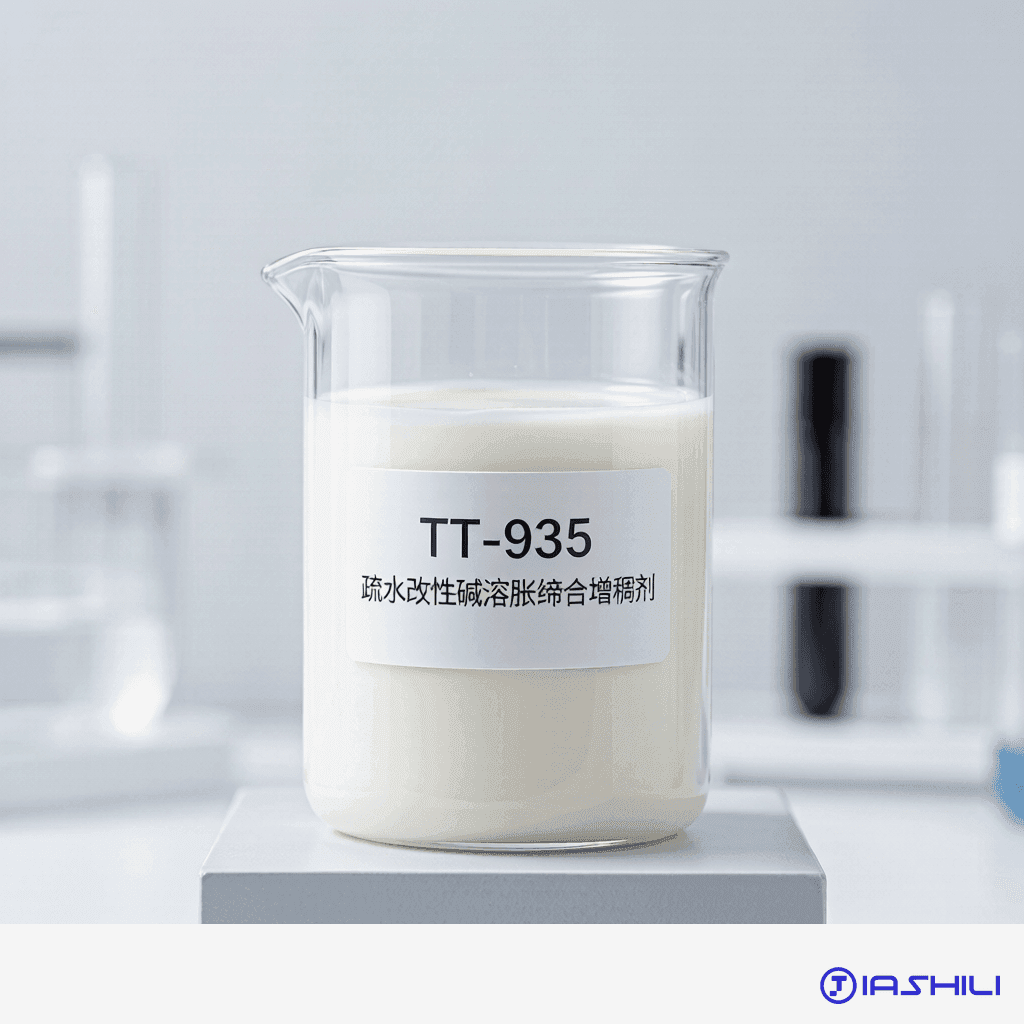 Acrysol™ TT‑935 ER Rheology Modifier
Acrysol™ TT‑935 ER Rheology Modifier
Acrysol™ TT-935 ER Rheology Modifier is a high-performance rheology modifier in the Acrysol™ series, offering superior performance compared to conventional ASE-60. It is suitable for interior and exterior latex paints, high-gloss/semi-gloss/matte paints, high-PVC primers, and low-VOC eco-friendly coatings. The recommended dosage ranges from 0.2% to 0.8% for interior paints and 0.3% to 1.0% for exterior paints and primer systems to effectively increase viscosity and partially replace HEC. It provides excellent leveling and anti-sagging properties, resulting in paints with better gloss and smoothness. This product resists microbial attack, features good storage stability, and demonstrates outstanding compatibility with various acrylic emulsions, making it particularly ideal for low-VOC eco-friendly formulations.
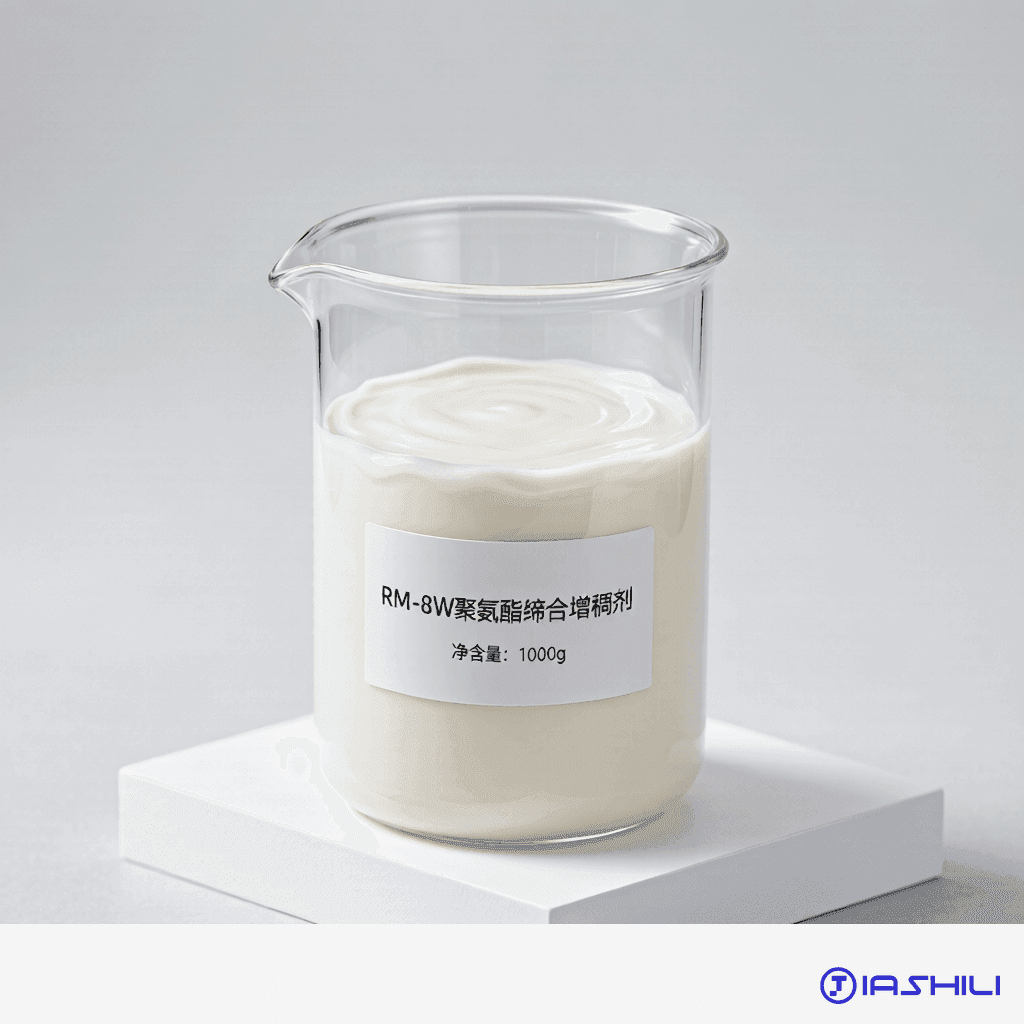 Acrysol™ RM‑8W Rheology Modifier
Acrysol™ RM‑8W Rheology Modifier
Acrysol™ RM‑8W is a non-ionic polyurethane HEUR rheology modifier designed for low-VOC premium water-based coating formulations. It is suitable for interior and exterior latex paints, high-gloss paints, and water-based industrial coatings. With an addition level of 0.2%–1.0%, it effectively increases shear viscosity, delivering excellent paint film leveling and anti-sagging performance, along with strong scrub resistance and water resistance. No additional alkalization is required, as it tolerates a pH range of 6–10. It demonstrates good compatibility with various additives and offers outstanding storage stability.
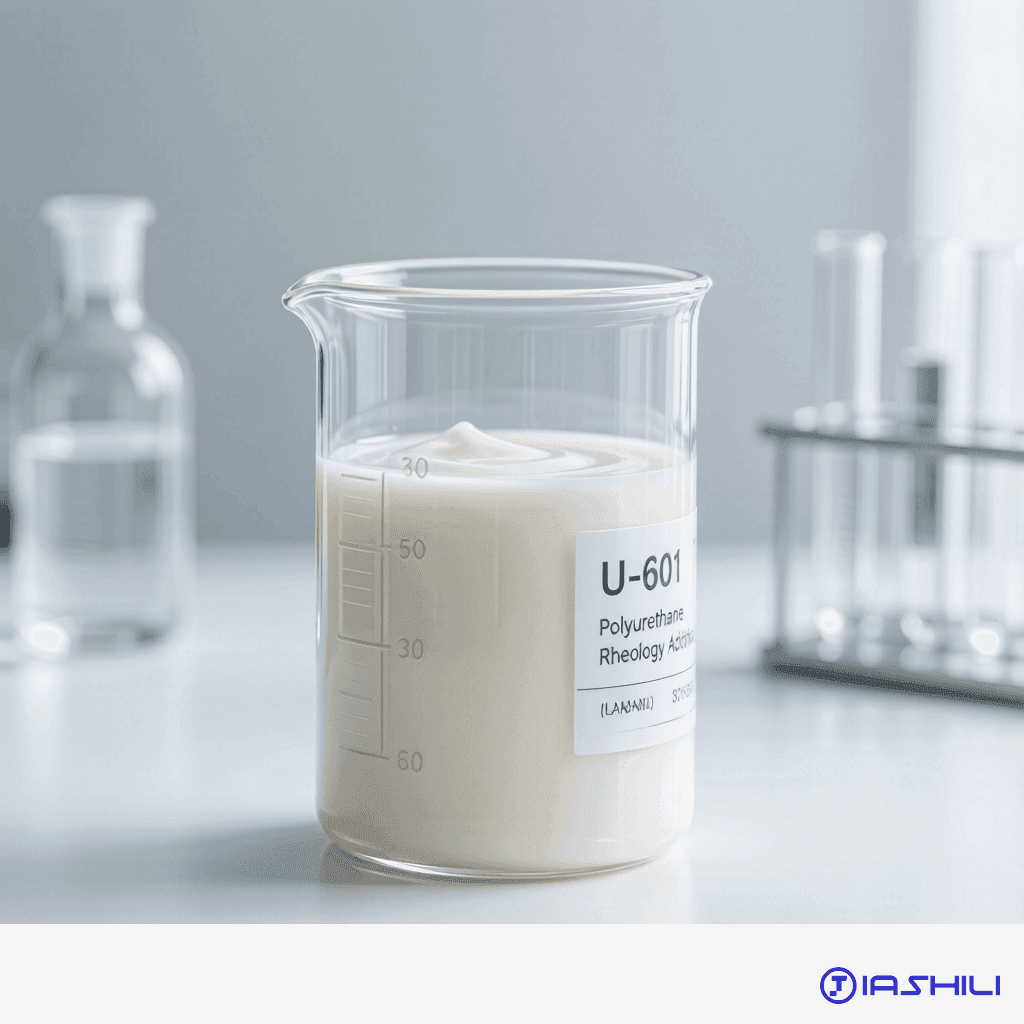 Coadd U‑601 Rheology Modifier
Coadd U‑601 Rheology Modifier
Coadd U‑601 Rheology Modifier is specifically formulated for thick-film and high-co-solvent water-based systems, making it ideal for water-based industrial coatings, epoxy coatings, 2K-PU paints, container anti-corrosion coatings, and textured stone-like paints. Its low-shear thixotropic structure effectively prevents pigment settling and sagging, while its excellent resistance to glycol ether co-solvents ensures stable thickening efficiency even in high-co-solvent formulations. As a non-ionic additive, it requires no alkalization and demonstrates superior compatibility with various dispersants. The recommended dosage is 0.2%–0.5% for architectural latex paints and 0.4%–1.0% for water-based industrial coatings and thick-film systems.
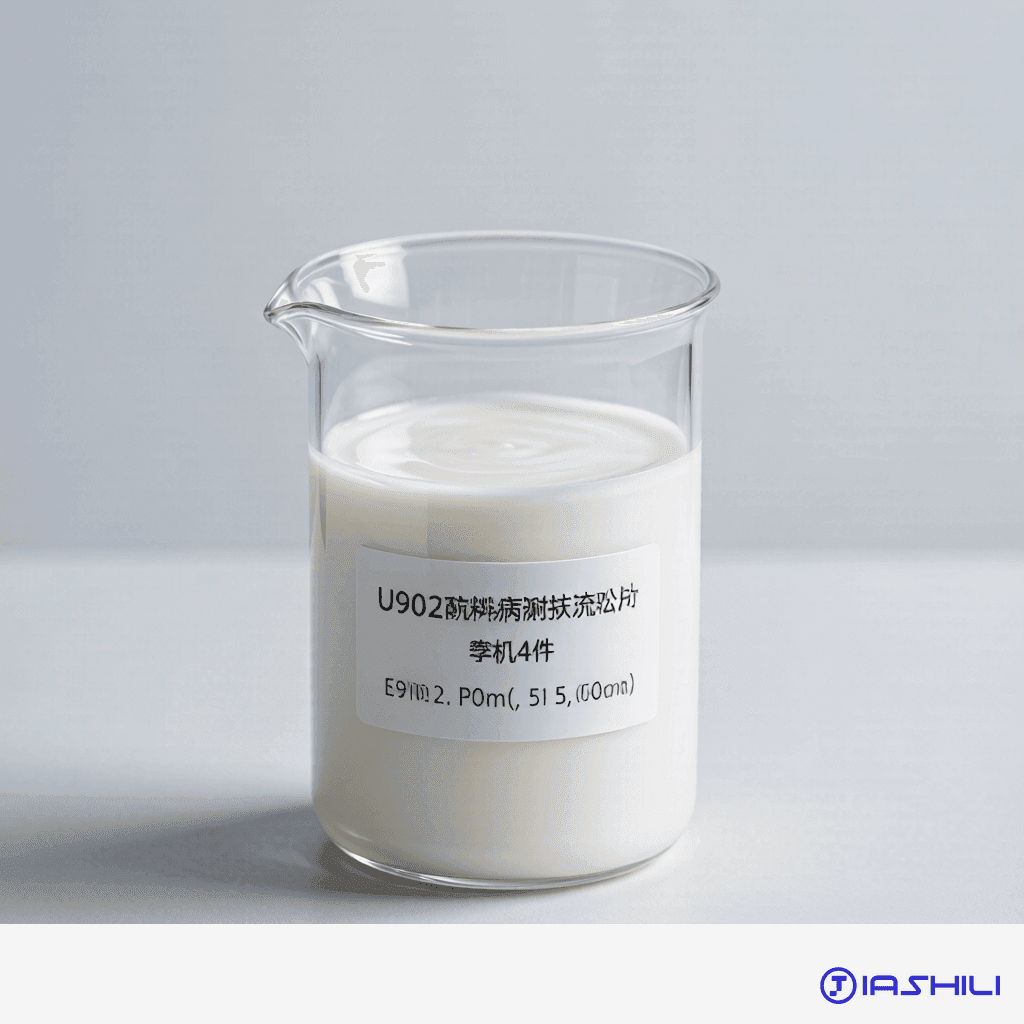 Vesmody® U902 Rheology Modifier
Vesmody® U902 Rheology Modifier
Vesmody® U902 Rheology Modifier is a high-thixotropic polyurethane-based product designed for a wide range of applications including architectural latex paints, textured coatings, and water-based industrial paints, with particular suitability for semi-gloss and high-gloss formulations. It exhibits outstanding pseudoplasticity and rapid thixotropic recovery, along with high low-shear yield stress to effectively prevent sagging in thick coatings and pigment/filler settling, while causing minimal impact on paint water resistance and gloss. Operating within a pH range of 6-10, the recommended dosage is 0.2%-1.2%. It should be added at a low speed during the later stage of paint formulation after grinding, emulsions and other additives are incorporated, and must be pre-diluted at a ratio of 1:1~1:4 with water prior to use.
 Coapur™ 6050 Rheology Modifier
Coapur™ 6050 Rheology Modifier
Coapur™ 6050 Rheology Modifier is a low-shear specialty additive designed for interior and exterior flat/satin latex paints, high-PVC primers, and thick-film architectural coatings. It efficiently increases low-shear viscosity and anti-sagging performance, effectively preventing sedimentation and phase separation while ensuring excellent storage stability. Being non-ionic and compatible with pH 4–10 systems, it requires only 0.2%–1.0% dosage, offering high cost-effectiveness with minimal impact on film properties—making it an ideal choice for low-shear applications.
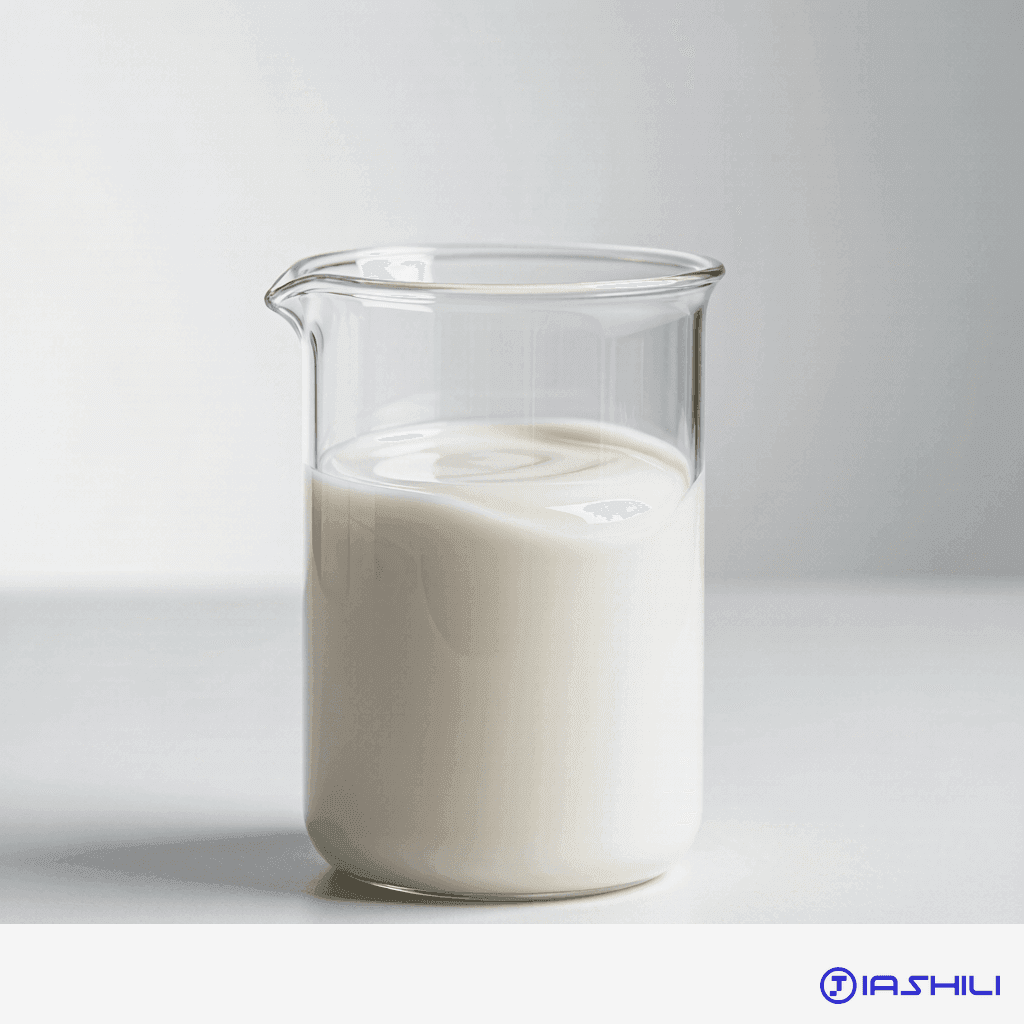 Acrysol™ RM‑2020NPR Rheology Modifier
Acrysol™ RM‑2020NPR Rheology Modifier
Acrysol™ RM-2020NPR is a polyurethane rheology modifier designed for high-shear applications. It is suitable for interior and exterior flat/satin/gloss latex paints, export-grade gloss paints, water-based industrial coatings, and low-VOC coatings. The recommended dosage ranges from 0.2% to 0.5% for flat/satin paints, and 0.3% to 0.8% for gloss paints and water-based industrial coatings. This additive rapidly increases system viscosity under high-shear conditions, effectively preventing roller splattering and reducing brush marks, while greatly improving film leveling and mirror-like gloss. It exhibits excellent compatibility with a wide pH range of 4–11 and stabilizes when mixed with various thickeners and dispersants. Once cured, the film demonstrates outstanding water resistance, scrub resistance, and weather resistance, making it particularly ideal for fine-particle acrylic emulsion systems.
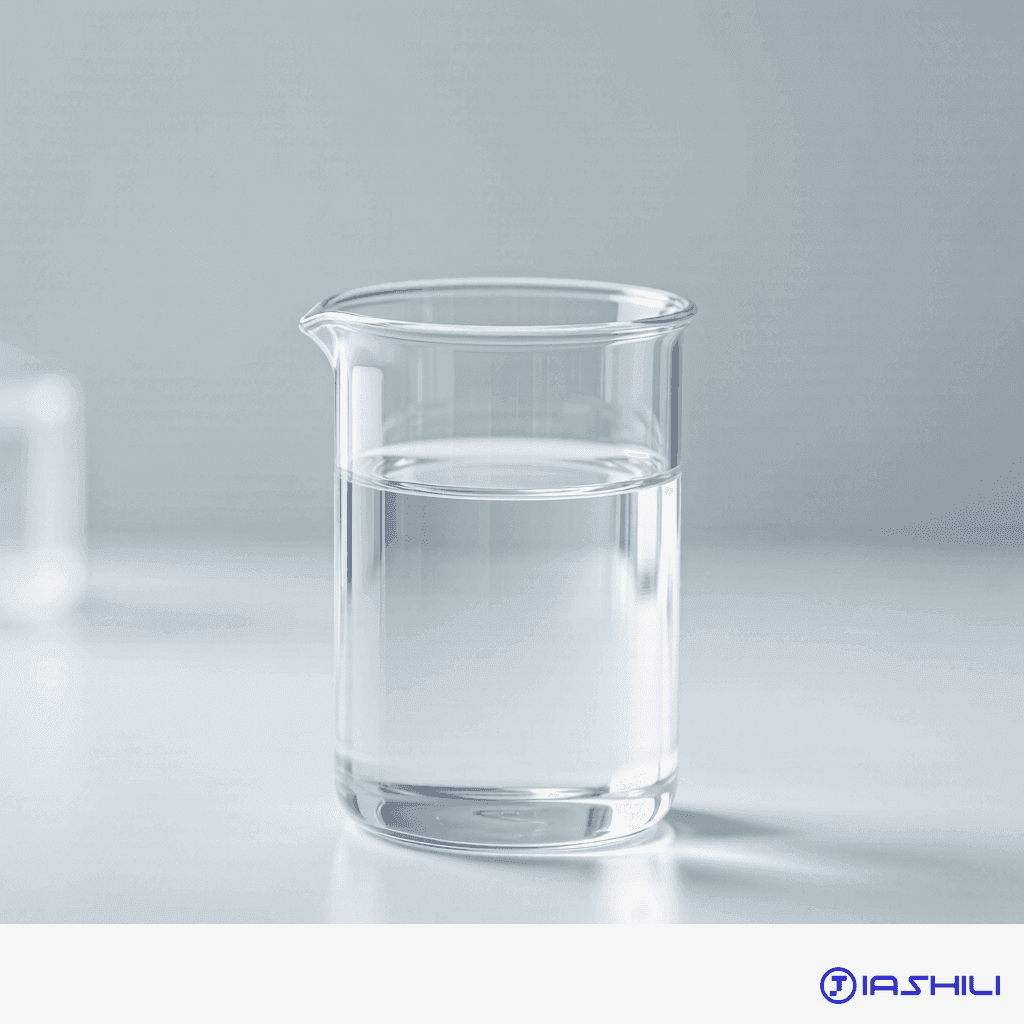 Silcona Phobe® R‑75 Water‑Repellent Agent
Silcona Phobe® R‑75 Water‑Repellent Agent
Silcona Phobe® R-75 is a silicone-based water-repellent agent specifically designed for exterior walls. It is compatible with various exterior latex paints, elastic coatings, and textured paints. During film formation, it creates a low-surface-energy hydrophobic layer on the paint surface, endowing the coating with excellent water resistance, salt efflorescence resistance, alkali resistance, and self-cleaning properties. As a non-ionic formulation, it exhibits great compatibility without affecting the gloss or appearance of the paint film. The recommended dosage is 0.3%-0.8% for flat/exterior elastic paints and 0.5%-1.2% for textured/stucco paints; it can be added dropwise at low speed during the later stage of paint preparation.
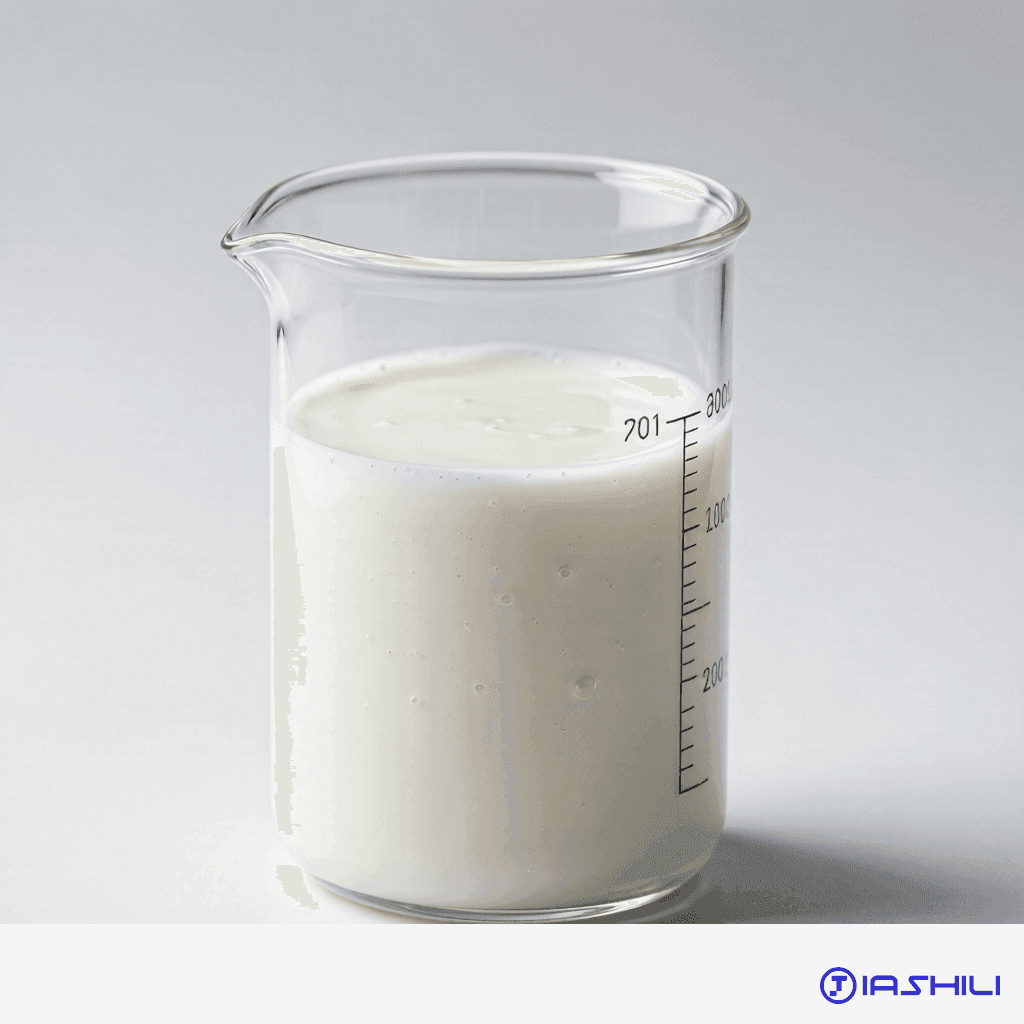 QA‑80 Rheology Agent
QA‑80 Rheology Agent
QA‑80 Rheology Agent is a polyurea-based thixotropic additive specifically formulated for solvent-based coatings, including industrial coatings, two-component polyurethane paints, epoxy coatings, and automotive paints used in thick-film applications. Leveraging polyurea hydrogen bonds, it generates low-shear yield stress to effectively prevent sagging and settling of thick coatings, while eliminating defects such as pinholes and orange peel. It also exhibits excellent shear-thinning properties, facilitating smooth spraying and film leveling. The recommended dosage ranges from 0.3% to 0.8% for solvent-based topcoats, and 0.6% to 1.5% for solvent-based heavy-duty coatings and primers. For optimal thixotropic performance, it must be added during the grinding stage; adding it at the later coating preparation stage will render it ineffective. Note that it is strictly prohibited for use in water-based latex paint systems.
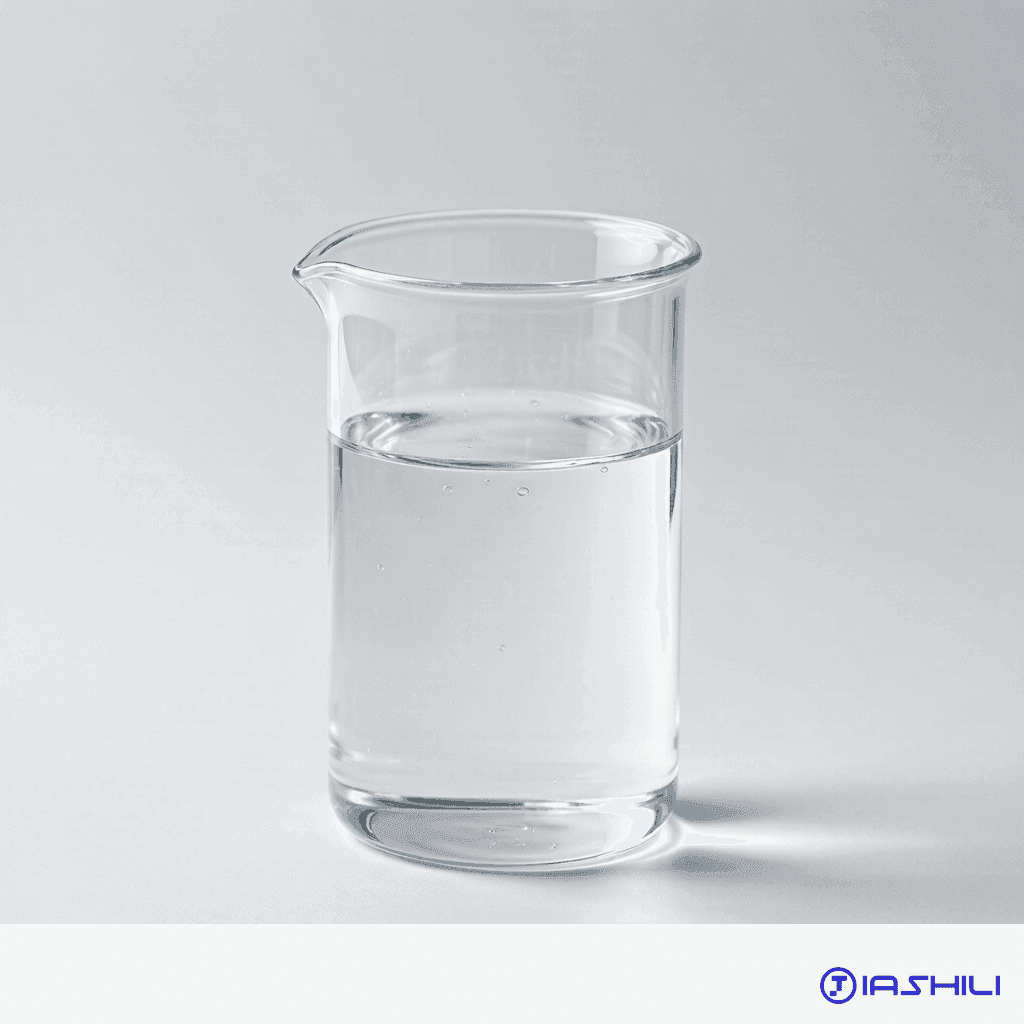 QQ Odor‑Removing Agent
QQ Odor‑Removing Agent
QQ Odor‑Removing Agent is a composite chemical odor-control additive designed for interior latex paints, water-based putties, and adhesives; cautious use is advised for exterior applications. Leveraging dual mechanisms of chemical chelation and microencapsulation, it effectively eliminates free organic amines, residual acrylic monomers, and aldehyde odors while releasing a subtle fragrance to mask construction-related smells, thereby significantly enhancing the sensory quality of coatings. This agent exhibits excellent compatibility with common additives, and its addition does not affect viscosity, gloss, or scrub resistance. The recommended dosage ranges from 0.1% to 0.3% for standard interior latex paints, and 0.3% to 0.5% for formulations with stronger odors, with a maximum limit of 0.5%. For optimal results, add it during the later stage of paint formulation under low-speed stirring; never introduce it during the grinding phase.
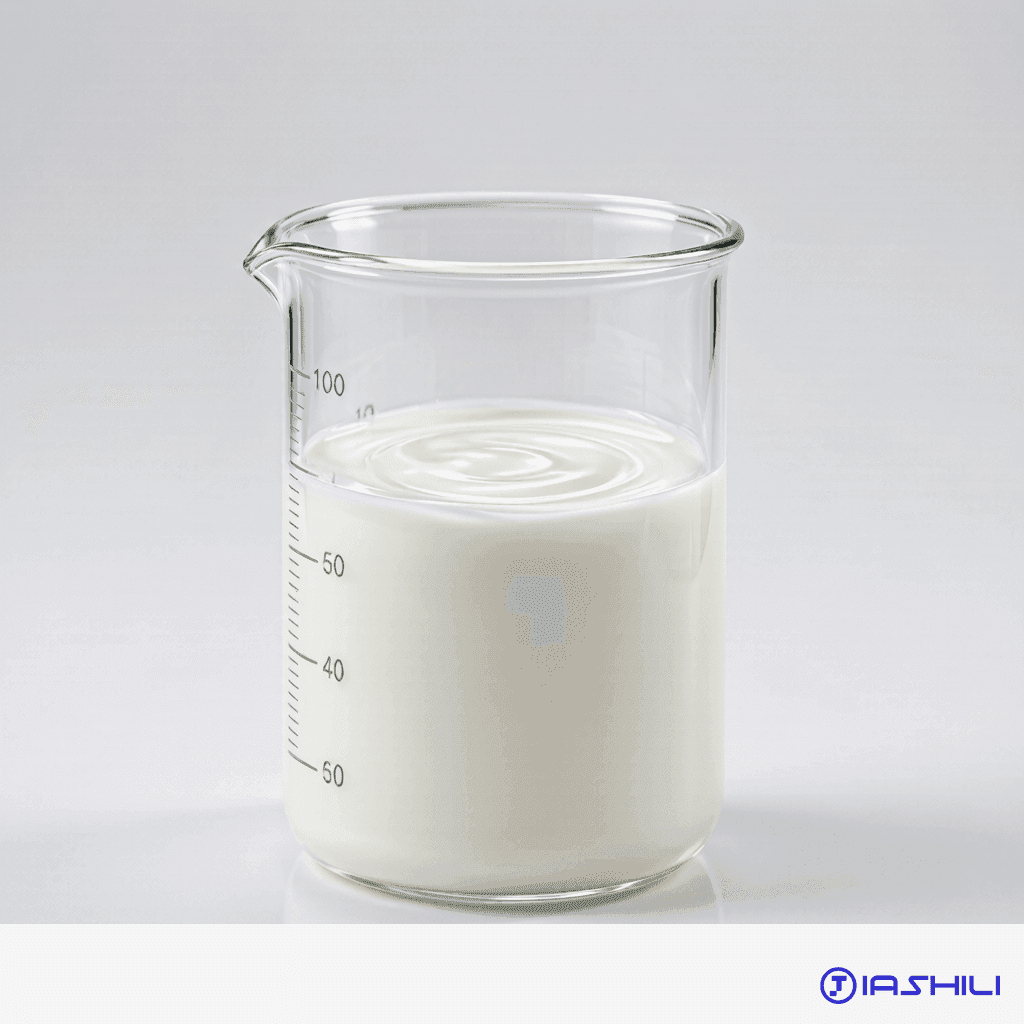 109 Styrene‑Acrylic Emulsion
109 Styrene‑Acrylic Emulsion
The 109 Styrene-Acrylic Emulsion is an economical film-forming base material suitable for interior latex paints, ordinary flat exterior latex paints, cement-based primer coatings, and waterborne adhesives. It offers strong pigment-carrying capacity and excellent color stability, providing the paint film with good adhesion, hardness, scrub resistance, and basic water resistance. The standard dosage is 20%-30% for interior paints, 25%-35% for ordinary exterior paints, and 15%-25% for primer coatings; it can be added during the paint mixing stage after powder grinding is completed via medium-speed stirring.
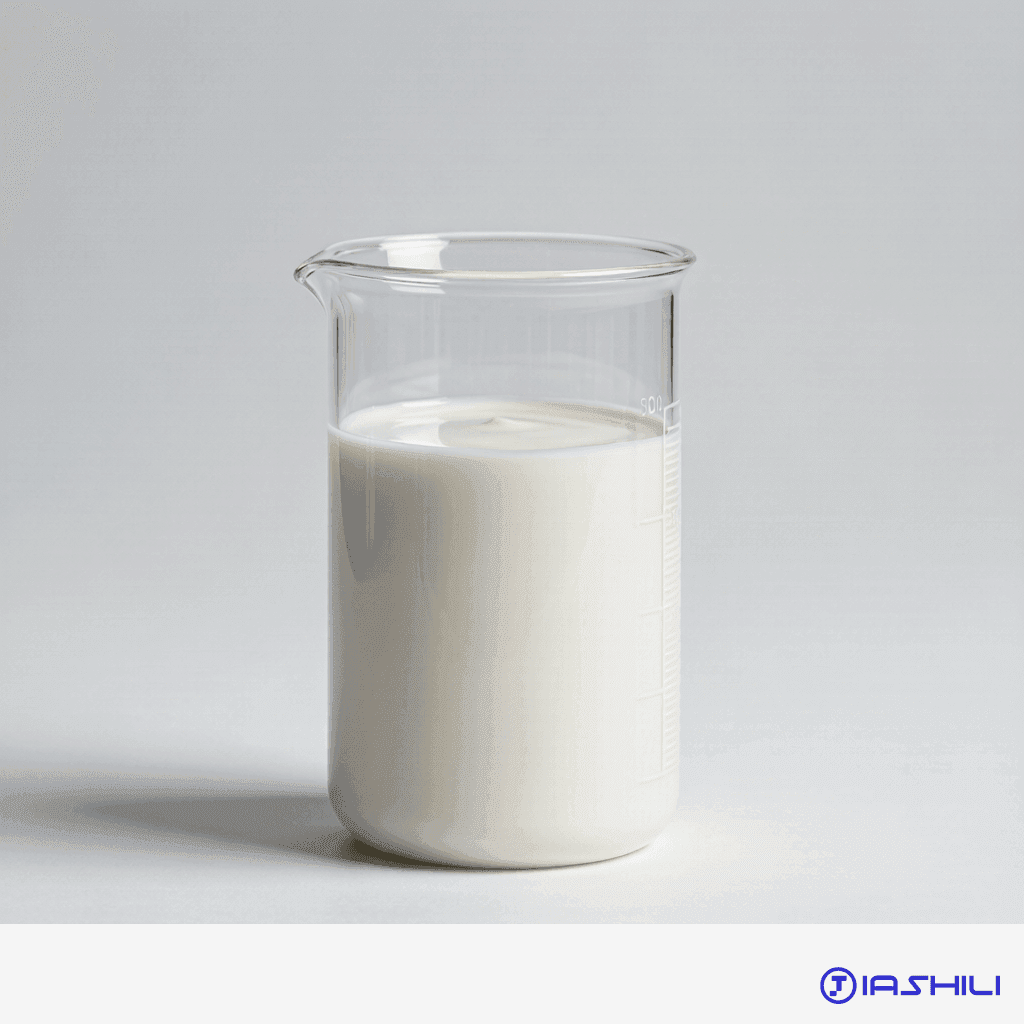 899 Pure‑Acrylic Emulsion
899 Pure‑Acrylic Emulsion
The 899 Pure-Acrylic Emulsion is a high-end weather-resistant film-forming material devoid of styrene structure, specifically designed for outdoor applications. It is ideal for premium exterior paints, elastic exterior latex paints, stone-textured topcoats, and weather-resistant primer systems. Its weather resistance, color and gloss retention, anti-yellowing, and anti-chalking properties far surpass those of conventional 109 styrene-acrylic emulsions. The resulting film is dense, offering excellent water resistance, alkali resistance, salt efflorescence resistance, scrub resistance, and adhesion. As an anionic system, it blends stably with all wetting agents, thickeners, and hydrophobic agents, ensuring uniform coloring without floating or mottling. Recommended dosage: 28%-38% for flat exterior paints, 32%-42% for semi-gloss/high-gloss and elastic exterior paints, and 20%-28% for weather-resistant primer. During formulation, add the emulsion at medium speed after pigment grinding and stir for 8-12 minutes. Avoid high-shear milling or mixing with cationic materials to prevent coagulation, flocculation, or foaming.
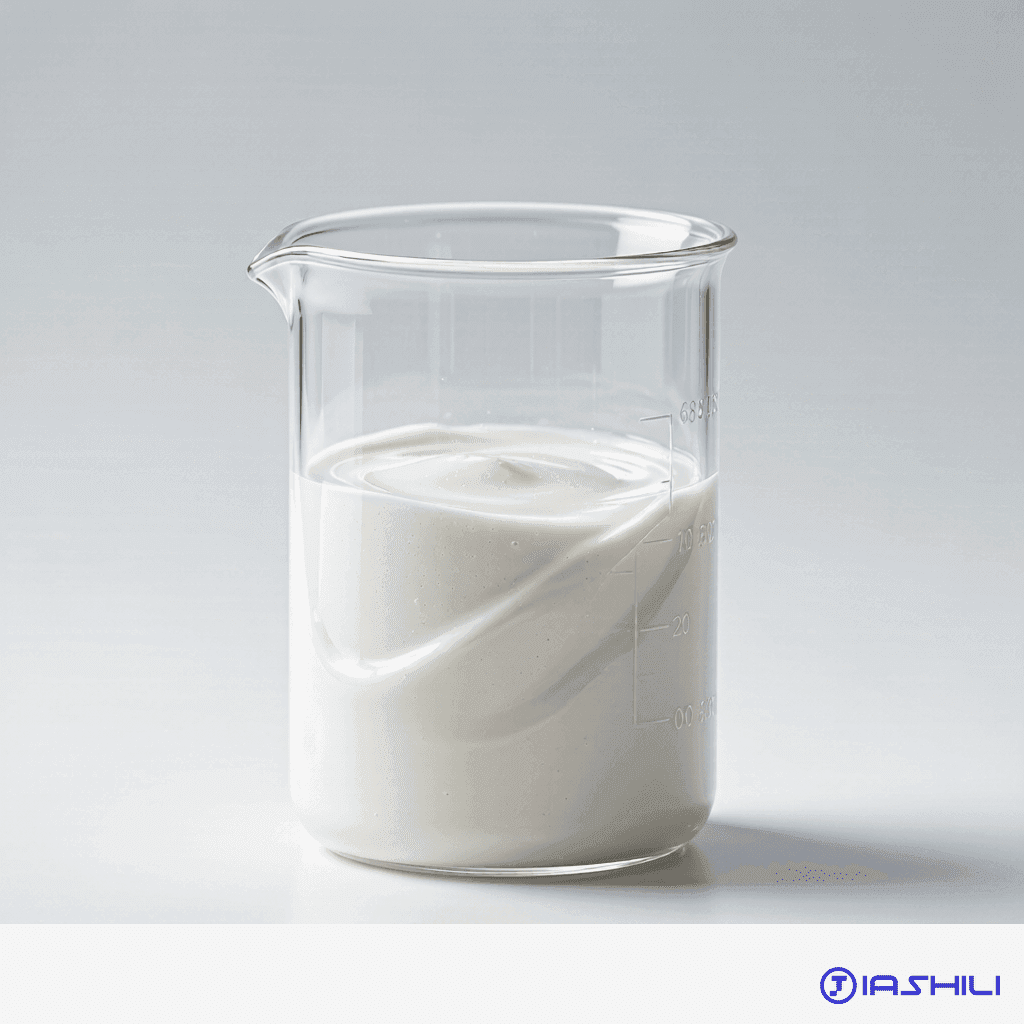 688 Silicone‑Acrylic Emulsion
688 Silicone‑Acrylic Emulsion
The 688 Silicone‑Acrylic Emulsion is a premium material designed for high‑end exterior applications, including premium exterior wall paints, highly weather‑resistant elastic coatings, stone‑like paints, and decorative topcoats; it is not recommended for interior use. Thanks to its silicone‑containing molecular structure, siloxane migrates to the film surface after curing, creating a hydrophobic self‑cleaning layer. Its weather resistance, color retention, anti‑yellowing, water and alkali resistance outperform those of the 899 pure acrylic emulsion, ensuring a longer artificial aging lifespan. The resulting film is dense, offering excellent resistance to water whitening, scrubbing, and adhesion while delivering rich, vibrant colors for sand particles—making it the ideal binder for thick stone‑like coating systems. As an anionic system, it mixes stably with all additives and allows precise color matching. Recommended dosage: 30%–40% for premium flat exterior wall paints, 35%–45% for semi‑gloss, high‑gloss, elastic exterior coatings and stone‑like topcoats, and 22%–30% for high‑weather‑resistance primer. Add it at medium speed during the mixing stage after grinding; avoid sanding, high‑speed stirring, or mixing with cationic materials.
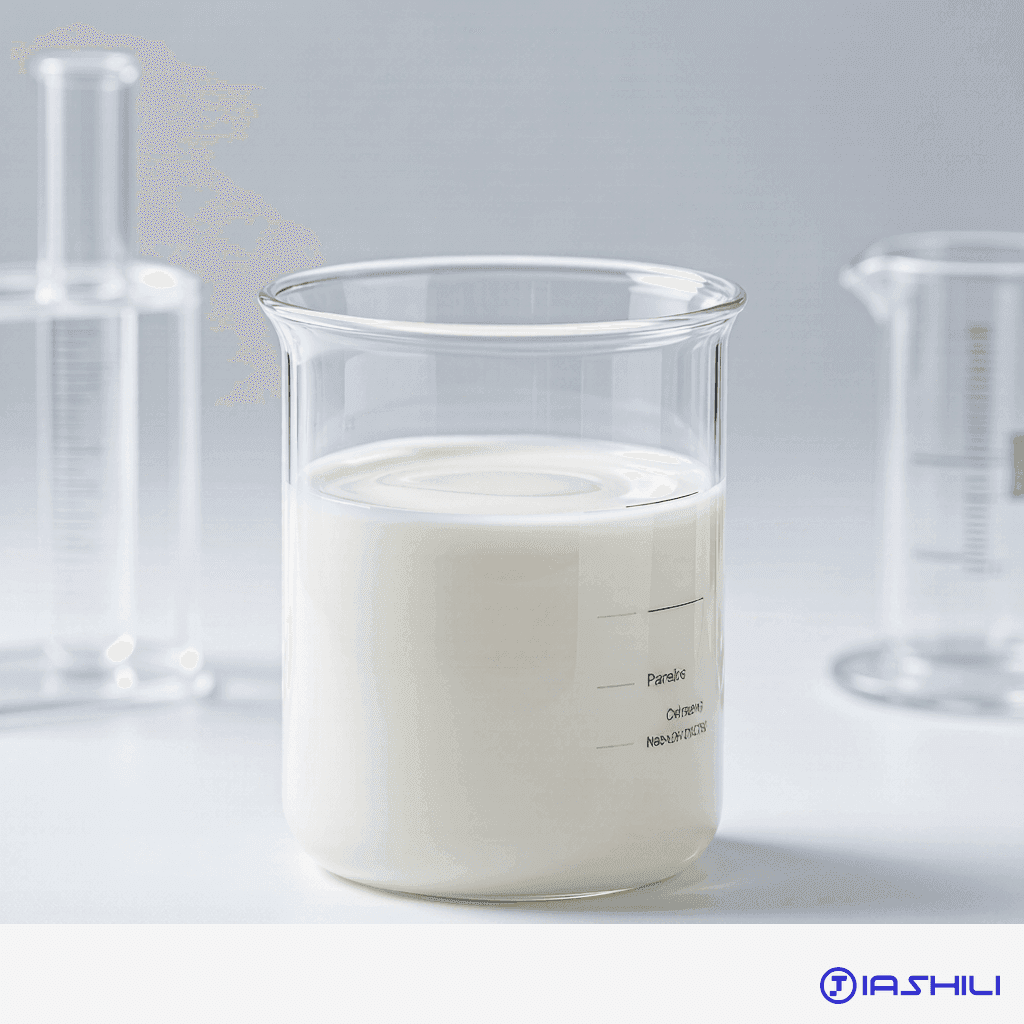 998 Styrene‑Acrylic Emulsion
998 Styrene‑Acrylic Emulsion
The 998 Styrene-Acrylic Emulsion is a fine-particle high-gloss product with excellent color dispersion properties. It forms a delicate, transparent high-gloss film with significantly higher glossiness compared to ordinary 109 styrene-acrylic emulsions. This emulsion offers balanced performance in terms of water whitening resistance, alkali resistance, adhesion, and scrub resistance. It also has strong pigment-loading capacity and superior color stability. Being an anionic system, it is fully compatible with all types of additives. Recommended dosage: 22%-32% for interior flat/satin paints, 28%-38% for exterior flat paints and stone-like coating topcoats, and 18%-26% for alkali-resistant primer. Add it during the tinting stage after grinding for optimal results.
 939 Styrene‑Acrylic Self‑Crosslinking Emulsion
939 Styrene‑Acrylic Self‑Crosslinking Emulsion
The 939 Styrene‑Acrylic Self‑Crosslinking Emulsion is specifically formulated for high-PVC and low-odor interior paints. It undergoes spontaneous cross-linking at room temperature to form a dense film with superior scrub resistance compared to conventional 109 emulsions. With minimal free monomer content and virtually no odor, it fits perfectly into low-odor formulations. Its anionic system ensures excellent compatibility with all types of additives. Recommended dosage: 21%–30% for standard interior flat paints, 24%–33% for high-PVC low-odor interiors, and 26%–34% for economical exterior flat paints and primer applications.
 8039 Styrene‑Acrylic Self‑Crosslinking Emulsion
8039 Styrene‑Acrylic Self‑Crosslinking Emulsion
The 8039 Self-Crosslinking Low-VOC Odorless Emulsion is a styrene-acrylic self-crosslinking emulsion specifically formulated for interior alkali-resistant primer and odorless primer applications. It features strong substrate penetration and adhesion, allowing it to form a dense protective film that effectively blocks the leaching of alkaline substances from walls. With excellent calcium ion stability and mechanical stability, it resists emulsification during application. The recommended dosage is 18%-28% for interior alkali-resistant primers and 22%-30% for economical interior flat paints.
 AC‑818 Pure‑Acrylic Emulsion
AC‑818 Pure‑Acrylic Emulsion
The AC-818 Pure-Acrylic Emulsion is specifically formulated for mid- to high-end exterior coatings. Leveraging an outdoor UV-triggered secondary cross-linking mechanism, it delivers superior water resistance, stain resistance, weather resistance and color retention compared to ordinary 899 pure-acrylic emulsions. The recommended dosage is 30%-40% for flat exterior wall paints, and 35%-45% for semi-gloss/high-gloss paints, stone-like paints and sand-in-water topcoats. Note that this product requires outdoor sunlight exposure to achieve optimal performance; grinding, high-speed stirring and mixing with cationic materials are strictly prohibited.
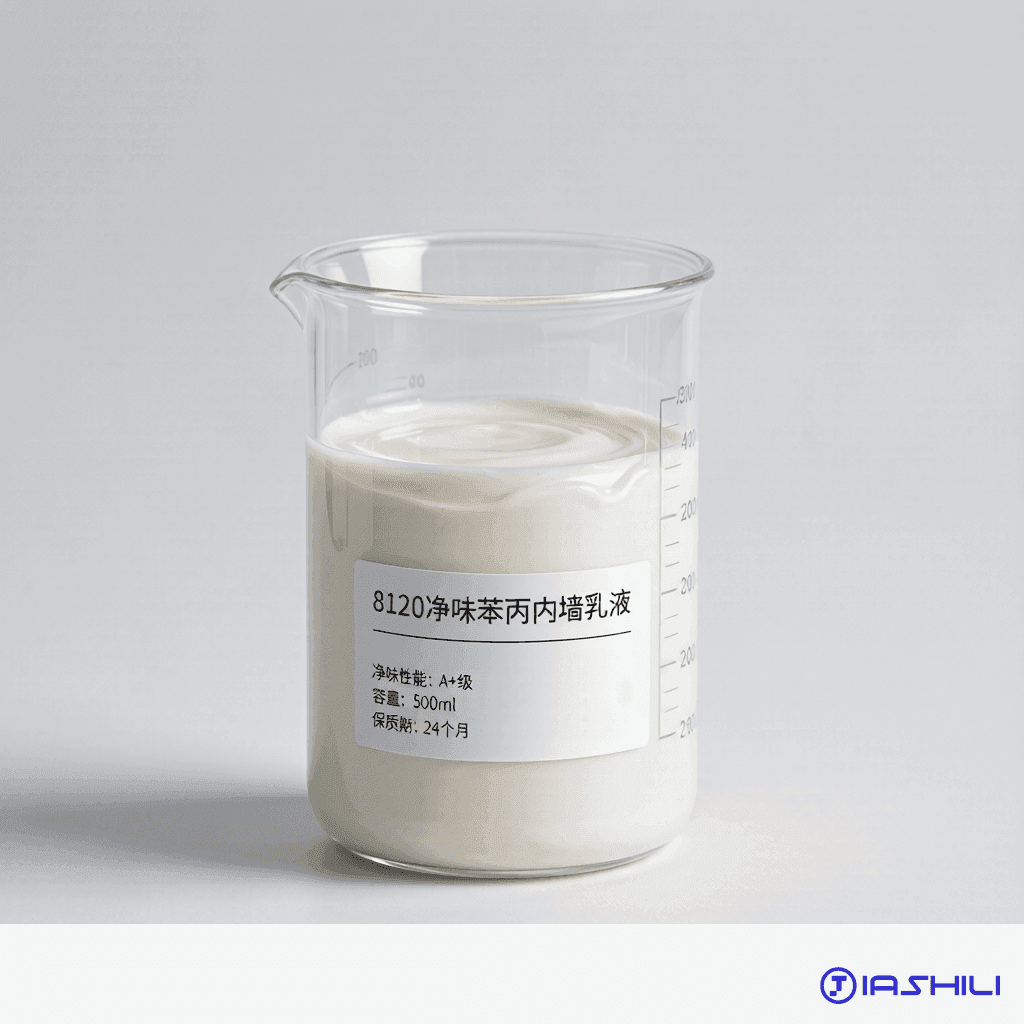 Archsol®8120 Styrene‑Acrylic Emulsion
Archsol®8120 Styrene‑Acrylic Emulsion
Archsol®8120 Styrene‑Acrylic Emulsion is specifically formulated for premium low‑odor interior paint systems. It offers high filler loading capacity and excellent PVC adaptability, while delivering high film hardness, superior scrub resistance, and anti‑chalking performance. With its low VOC and minimal odor, it fully meets environmental standards; it also boasts outstanding mechanical stability and calcium ion stability, ensuring uniform coloring without floating or mottling. The recommended dosage is 20%–35% of the total paint mass, making it ideal for mid‑ to high‑end low‑odor flat interior paints and sealing primers.
 838 Styrene‑Acrylic Emulsion
838 Styrene‑Acrylic Emulsion
The 838 Styrene‑Acrylic Emulsion is a specialized material for economical exterior wall applications. Featuring a high Tg and high hardness formula, it dries rapidly while offering excellent early-stage water resistance and anti-whitening performance, ensuring strong adhesion to colored sand and fillers and delivering a hard, wear-resistant film. It is suitable for economical stone-like coatings, thick-texture paints, and ordinary flat exterior wall paints, with a recommended addition level of 32%–42%.
 Archsol®8220 Styrene‑Acrylic Emulsion
Archsol®8220 Styrene‑Acrylic Emulsion
Archsol®8220 styrene-acrylic emulsion is a specialized raw material for solid-color sealing primers, engineered for alkali-resistant sealing of interior and exterior walls. It features high film hardness and strong adhesion, effectively sealing alkaline exudates, preventing salt creep and efflorescence while reinforcing porous substrates. With excellent calcium ion and mechanical stability, it demonstrates good compatibility with various pigments and fillers, making it suitable for conventional primer formulations. The recommended dosage is 20%-28% for interior solid-color sealing primers and 22%-30% for exterior ones.
 RS‑308 Styrene‑Acrylic Emulsion
RS‑308 Styrene‑Acrylic Emulsion
RS‑308 styrene-acrylic emulsion is a small-particle universal product featuring excellent penetration, film-forming properties, and resistance to water and alkali. It serves as an ideal base material for alkali-resistant primer for interior and exterior walls as well as economical flat-finish paints. With outstanding mechanical stability and calcium ion stability, it has strong pigment-loading capacity and good compatibility with various additives. The recommended dosage is 19%-27% for interior wall primers, 21%-29% for exterior wall primers, and 24%-32% for economical finish paints; simply add it during the paint mixing stage and stir for 8-12 minutes to achieve uniform dispersion.
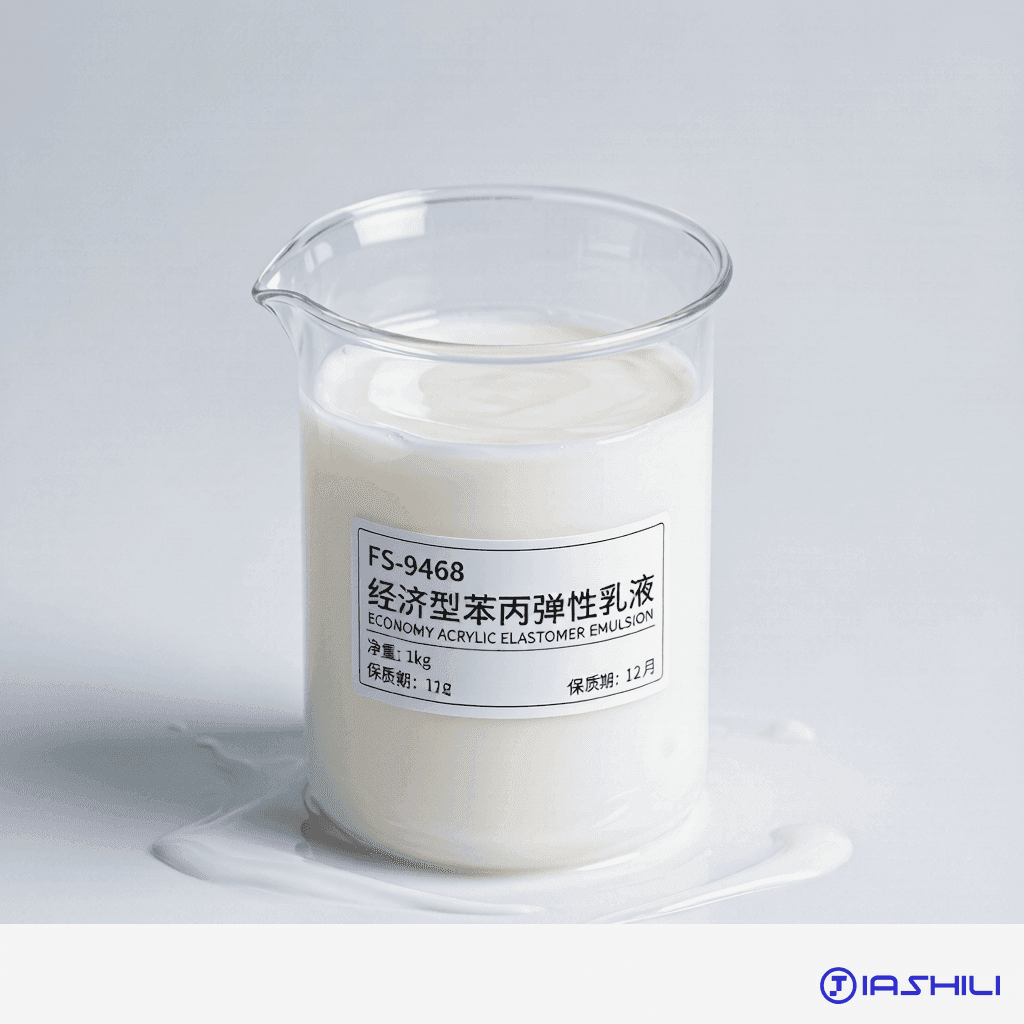 FS‑9468 Styrene‑Acrylic Elastic Emulsion
FS‑9468 Styrene‑Acrylic Elastic Emulsion
FS‑9468 Styrene-Acrylic Elastic Emulsion is an anionic styrene-acrylic elastic emulsion with low Tg and high elongation rate. It offers excellent resistance to minor wall cracks, superior low-temperature film-forming performance, and strong calcium ion stability, while requiring less film-forming aid and delivering outstanding cost-effectiveness. It is suitable for use in economical elastic exterior latex paints, elastic putties, and thick-texture elastic coatings, with standard addition rates of 35%-45% for exterior paints and 12%-20% for elastic putties. This product is designed exclusively for engineering-oriented economical elastic coating applications.
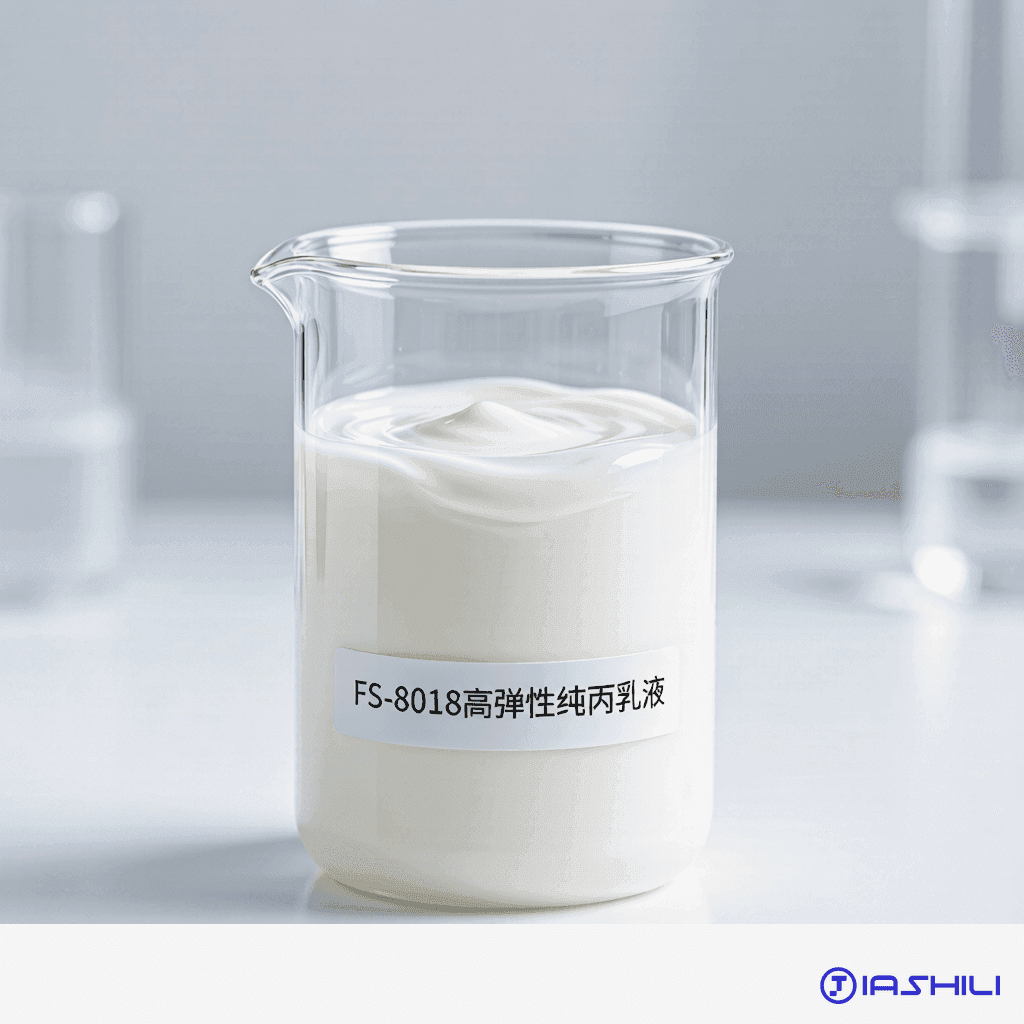 FS‑8018 Pure‑Acrylic Elastic Emulsion
FS‑8018 Pure‑Acrylic Elastic Emulsion
FS-8018 Pure-Acrylic Elastic Emulsion is a high-performance anionic pure-acrylic base material featuring low Tg, ultra-high elongation rate, and excellent low-temperature toughness. Its crack-resistance performance far surpasses that of ordinary styrene-acrylic emulsions. With superior water resistance, alkali resistance, anti-yellowing, and weather resistance, it serves as the core raw material for premium crack-resistant waterproof coatings, elastic exterior paints, and roofing waterproof coatings. The standard dosage rates are 38%-48% for exterior paints, 45%-55% for roofing waterproof coatings, and 14%-22% for elastic putties. For optimal results, add the emulsion during the paint mixing stage and stir at medium speed for 8-12 minutes.
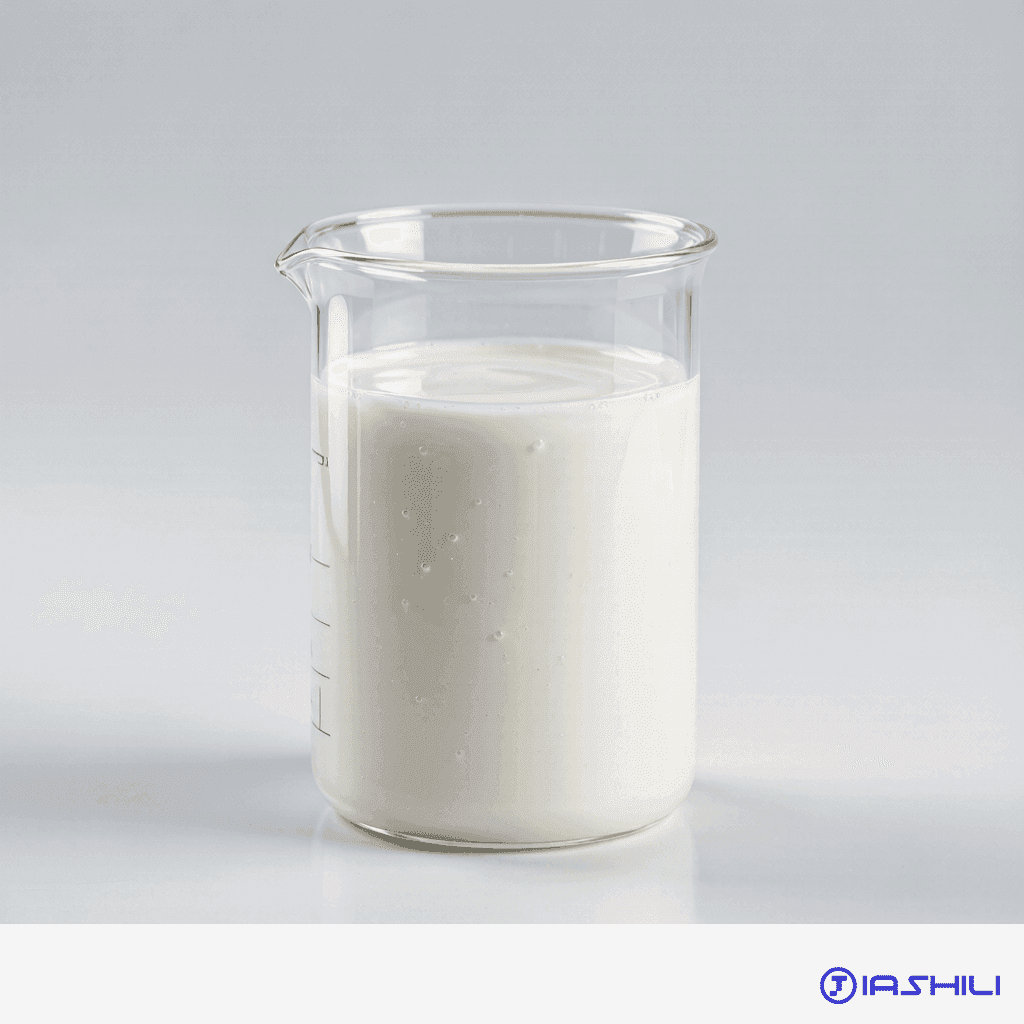 RS‑8086 Silicone‑Acrylic Emulsion
RS‑8086 Silicone‑Acrylic Emulsion
RS-8086 Silicone-Acrylic Emulsion is a high-performance anionic silicone-acrylic emulsion specifically formulated for premium exterior wall applications. It delivers outstanding hydrophobicity, stain resistance, UV stability, and anti-yellowing properties, while forming a dense, self-cleaning film. The recommended dosage is 33%-43% for exterior wall paints and 40%-50% for stone-like coating topcoats, making it an ideal base material for high-quality weather-resistant exterior coatings.
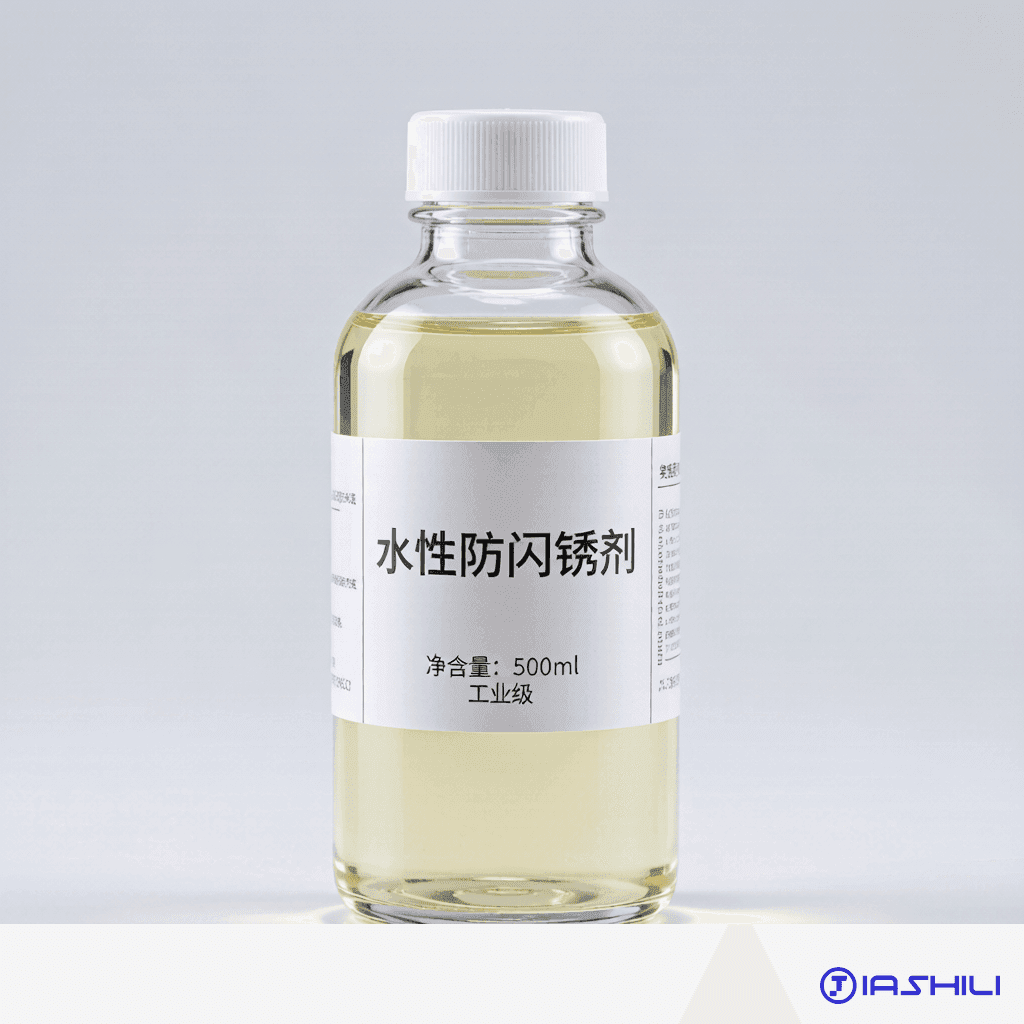 Anti‑Flash‑Rust Inhibitor
Anti‑Flash‑Rust Inhibitor
The Water-based Anti-Flash-Rust Inhibitor is a chelating-passivating additive specifically formulated for water-based metal coatings. It forms a dense protective film on the surfaces of steel, cast iron, and weld joints during film drying to effectively prevent flash rust formation; certain premium grades also offer in-can metal corrosion protection. Compatible with mainstream industrial metal coating systems such as water-based acrylic, alkyd, and epoxy formulations, the recommended dosage is 0.5%-1.0% for ordinary carbon steel substrates and 1.0%-2.0% for cast iron and welded substrates. It should be added gradually after pre-dilution in water during the late mixing stage at low speed to ensure optimal performance.
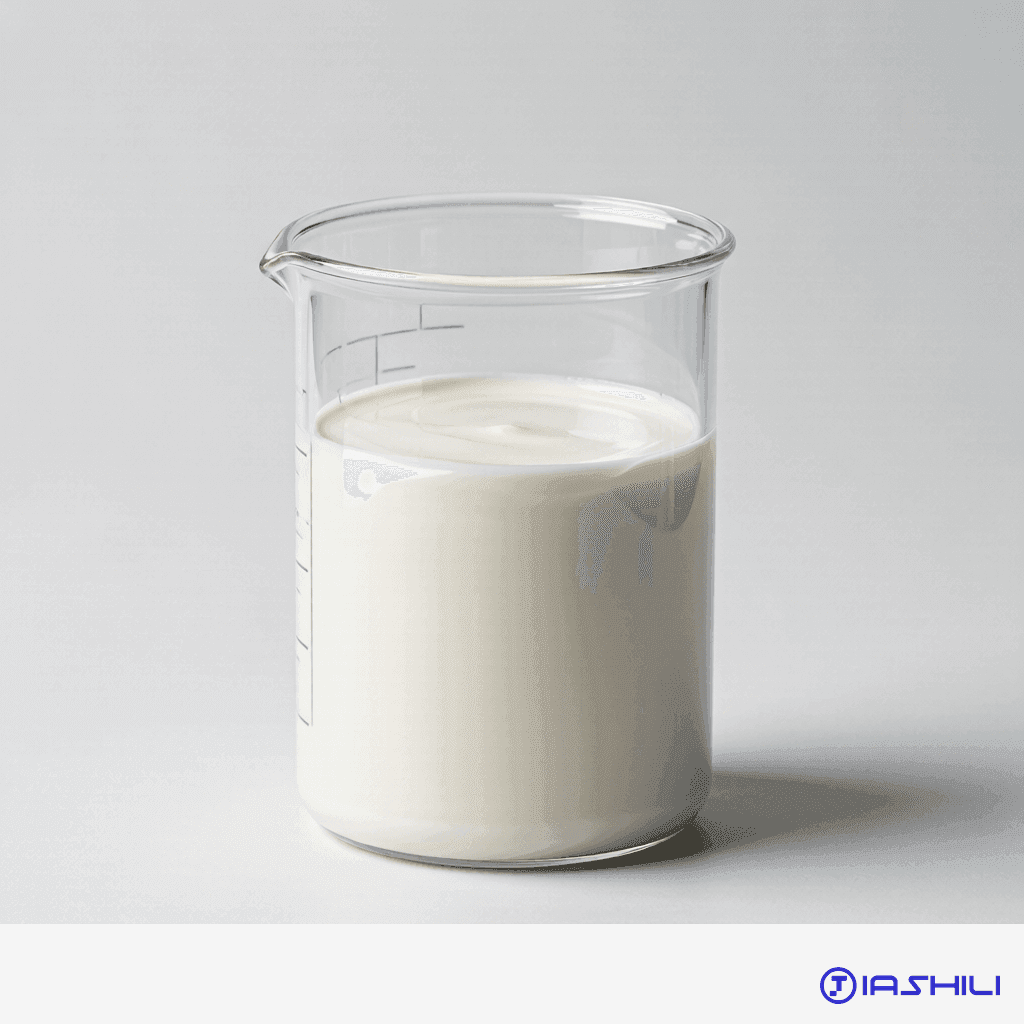 Z‑004 Associative Polyurethane Thickener
Z‑004 Associative Polyurethane Thickener
Z-004 Associative Polyurethane Thickener is a non-ionic HEUR-type rheology thickener that effectively increases the shear viscosity of coatings, markedly improves roll-coating and spraying performance while reducing splashing. It strikes an ideal balance between film leveling and anti-sagging properties, delivering coatings with excellent glossiness. With superior resistance to microbial degradation compared to traditional cellulose, it maintains stable viscosity during storage, features a wide pH adaptability range, and offers high versatility. It is suitable for interior and exterior latex paints, elastic paints, and water-based industrial coatings, and can be blended with other thickeners. The recommended dosage is 0.2%–0.8% of the total coating mass.
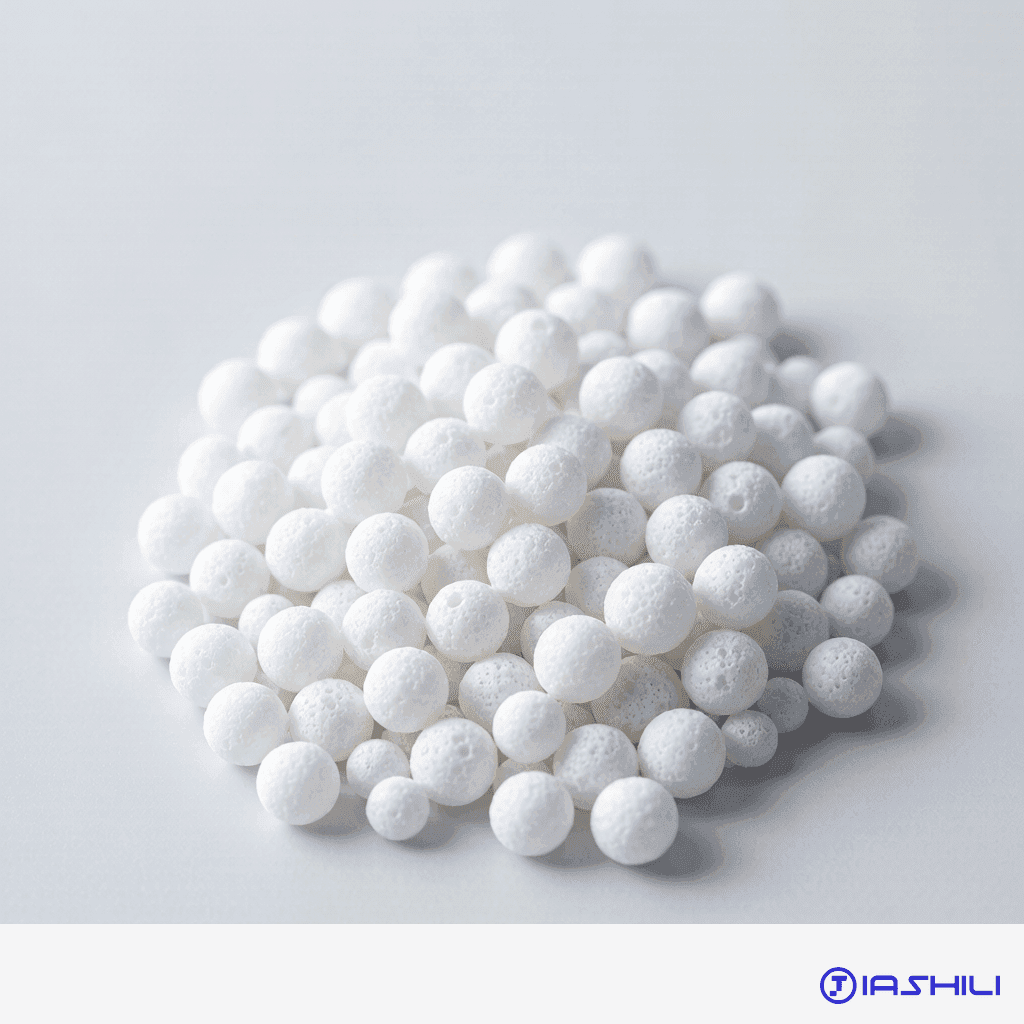 High-Performance Hollow Glass Microspheres
High-Performance Hollow Glass Microspheres
High-performance hollow glass microspheres are functional inorganic fillers renowned for their wear resistance, impact resistance, scratch resistance, weather resistance, and chemical corrosion resistance. They effectively reduce the drying shrinkage rate of paint films, prevent cracking in thick coatings, and enhance construction fluidity. The high-refractive-index variant imparts reflective properties to paint films, making it ideal for reflective road marking coatings. Recommended dosage ranges from 3% to 12% for stone-textured paints, 5% to 15% for industrial wear-resistant coatings, and 15% to 25% for reflective marking coatings. These microspheres are suitable for stone-textured paints, thick-texture coatings, industrial anti-corrosion paints, and road reflective coatings, but are not recommended for high-gloss flat coatings.
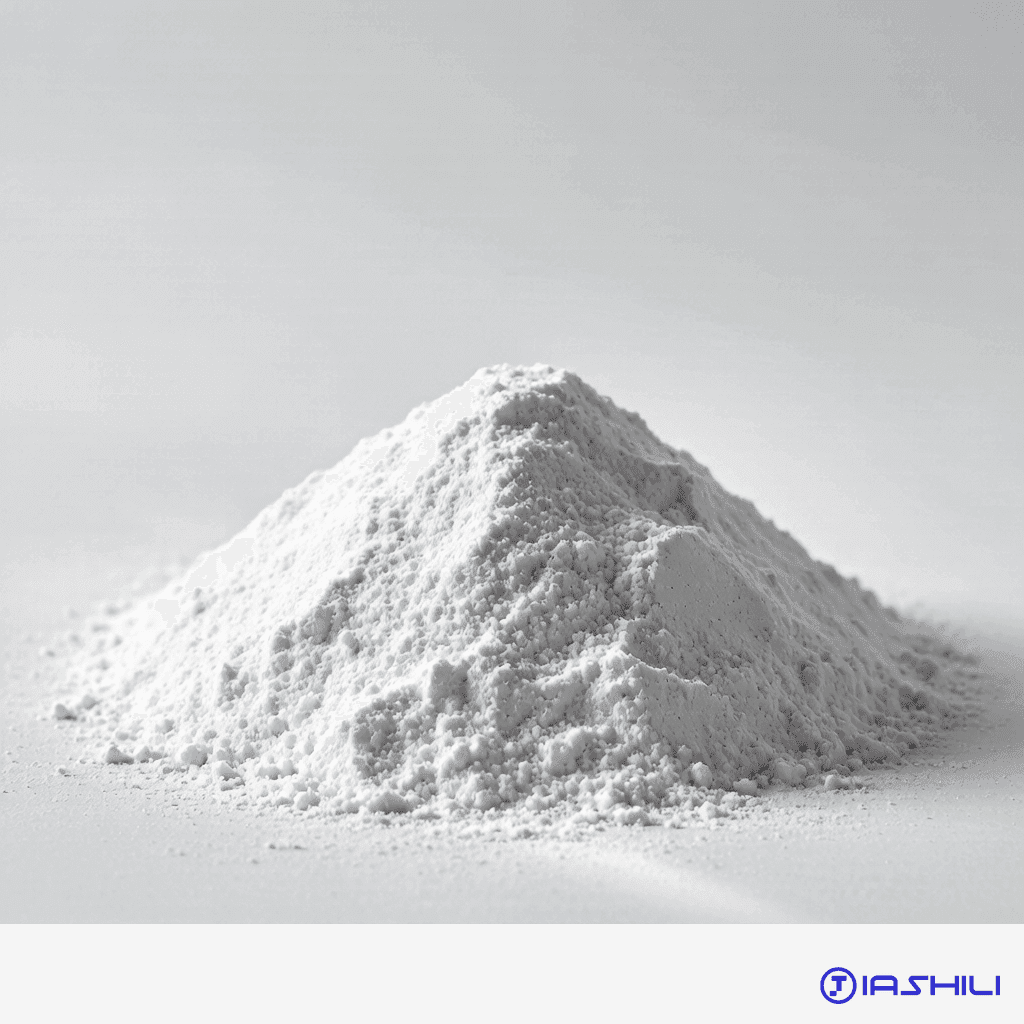 60‑mesh Ground Calcium Carbonate (Snow‑white marble grade)
60‑mesh Ground Calcium Carbonate (Snow‑white marble grade)
Snow-white Marble Powder 60-mesh is a snow-white marble-grade ground calcium carbonate filler that imparts a rugged, textured effect to coatings. It forms a rigid framework for real stone paints and thick-texture coatings, greatly enhancing film hardness, fillability, and outdoor weather resistance while aiding color adjustment and reducing formulation costs. Recommended dosage is 45%-75% for rugged real stone paints, 25%-50% for thick-texture coatings, and 12%-28% for large-particle water-in-sand systems; it should be blended with 80-mesh and 100-mesh powders to optimize workability.
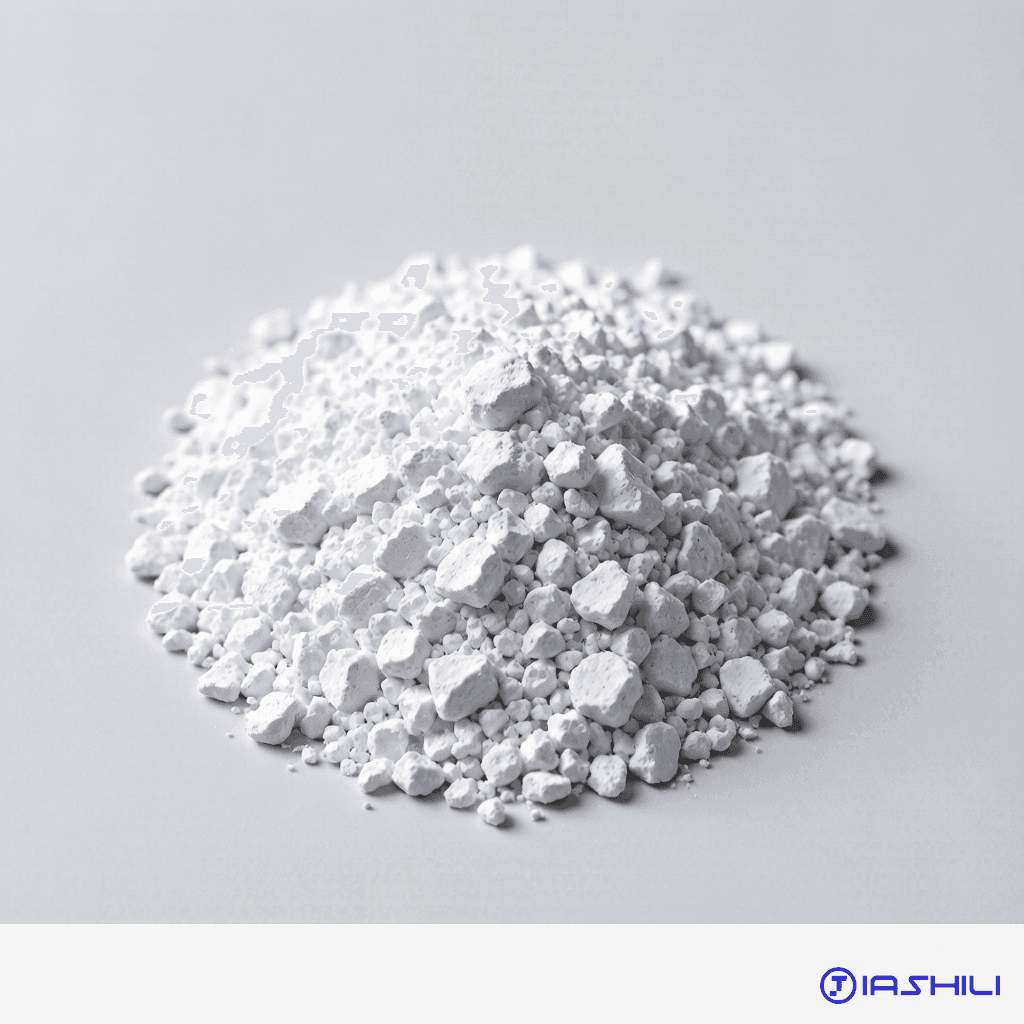 80‑mesh Ground Calcium Carbonate (Snow‑white marble grade)
80‑mesh Ground Calcium Carbonate (Snow‑white marble grade)
Snow White Powder 80-mesh is a medium-coarse particle size ground calcium carbonate aggregate with particle size between 60-mesh and 100-mesh. It is ideal for use in real stone paints, water-in-sand coatings, and thick-film textured coatings, as it forms a balanced three-dimensional paint film skeleton that greatly enhances film hardness, fillability, and weather resistance while helping reduce coloring costs and ensuring a smooth, uniform application texture. The standard dosage rates are 42%-70% for real stone paints, 22%-48% for thick-film textured coatings, and 14%-32% for water-in-sand coatings. It can be flexibly blended with 60-mesh and 100-mesh powders to meet different sand texture requirements, but is not suitable for interior flat latex paints.
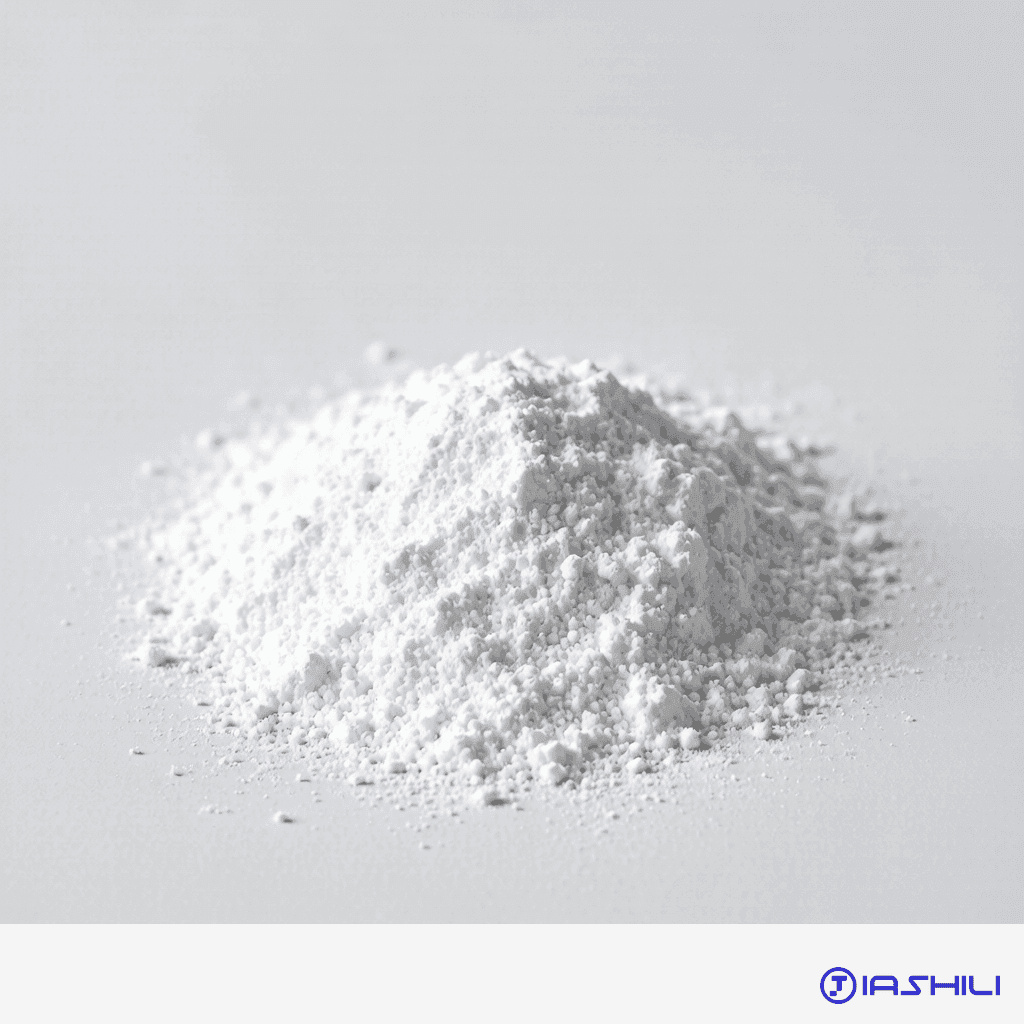 100‑mesh Ground Calcium Carbonate (Snow‑white marble grade)
100‑mesh Ground Calcium Carbonate (Snow‑white marble grade)
Snowflake White Marble Powder 100-mesh is a snow-white marble-grade ground calcium carbonate designed as a fine-particle thick paste aggregate. It delivers a delicate sand-like texture, making it ideal for use in stone-like paints, water-in-sand coatings, and thick-texture coatings. It forms a compact paint film skeleton, enhancing film hardness and filling capacity while offering excellent color-matching compatibility. It can also be blended with coarser particles to reduce formulation costs. The recommended dosage is 40%-70% for ordinary stone-like paints, 20%-45% for thick-texture coatings, and 15%-35% for water-in-sand coatings. During application, pre-mix additives and disperse at high speed, while ensuring strict control over raw material moisture resistance and impurity levels.
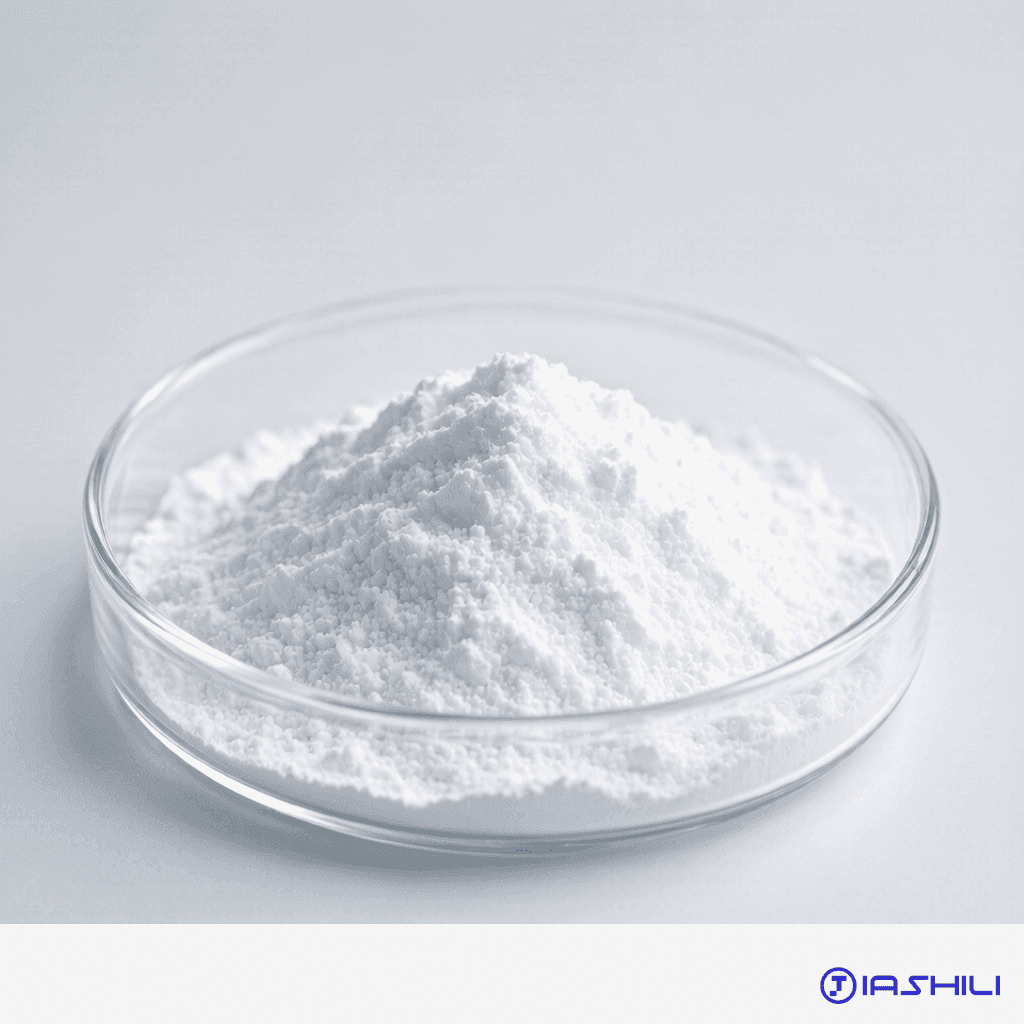 Carboxymethyl Cellulose Sodium
Carboxymethyl Cellulose Sodium
Carboxymethyl Cellulose Sodium HDR30000 is an anionic cellulose ether thickening and rheology modifier. It offers low-shear thickening, thixotropic structure formation, anti-sagging, suspension against sedimentation, and excellent water retention properties. These features effectively improve the workability of putties and thick-film coatings while enhancing coating adhesion. It is commonly used in combination with other thickeners. Suitable for interior wall putties, stone-like paints, and thick-film textured coatings, with recommended dosage ranging from 0.3% to 0.8% in putty systems and 0.2% to 0.6% in stone-like and thick-film coatings.
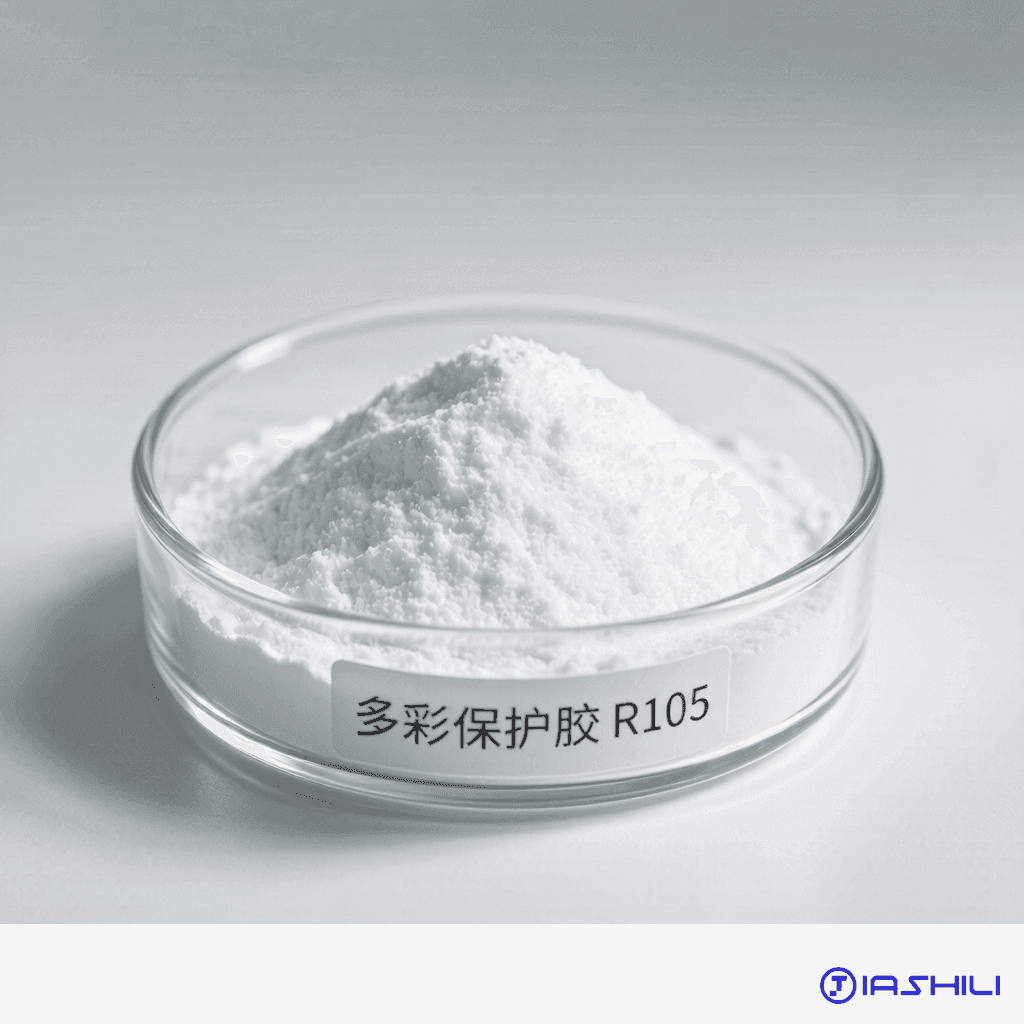 Protective Colloid R105
Protective Colloid R105
Protective Colloid R105 is a dedicated core stabilizer for water-in-water and water-in-sand multicolor coatings. Upon contact with water, its dry powder swells to form a three-dimensional colloidal protective film that isolates color particles from the base paint, effectively preventing color bleeding and migration. It also establishes a stable thixotropic suspension system to precisely control the hardness of color particles, greatly improving spraying smoothness and finishing quality. The recommended dosage is 4.0%-7.0% for water-in-water multicolor paints and 3.0%-6.0% for water-in-sand types. For application, pre-mix the product with deionized water to form a concentrate before adding it to the base paint system; direct addition or high-shear processing must be avoided.
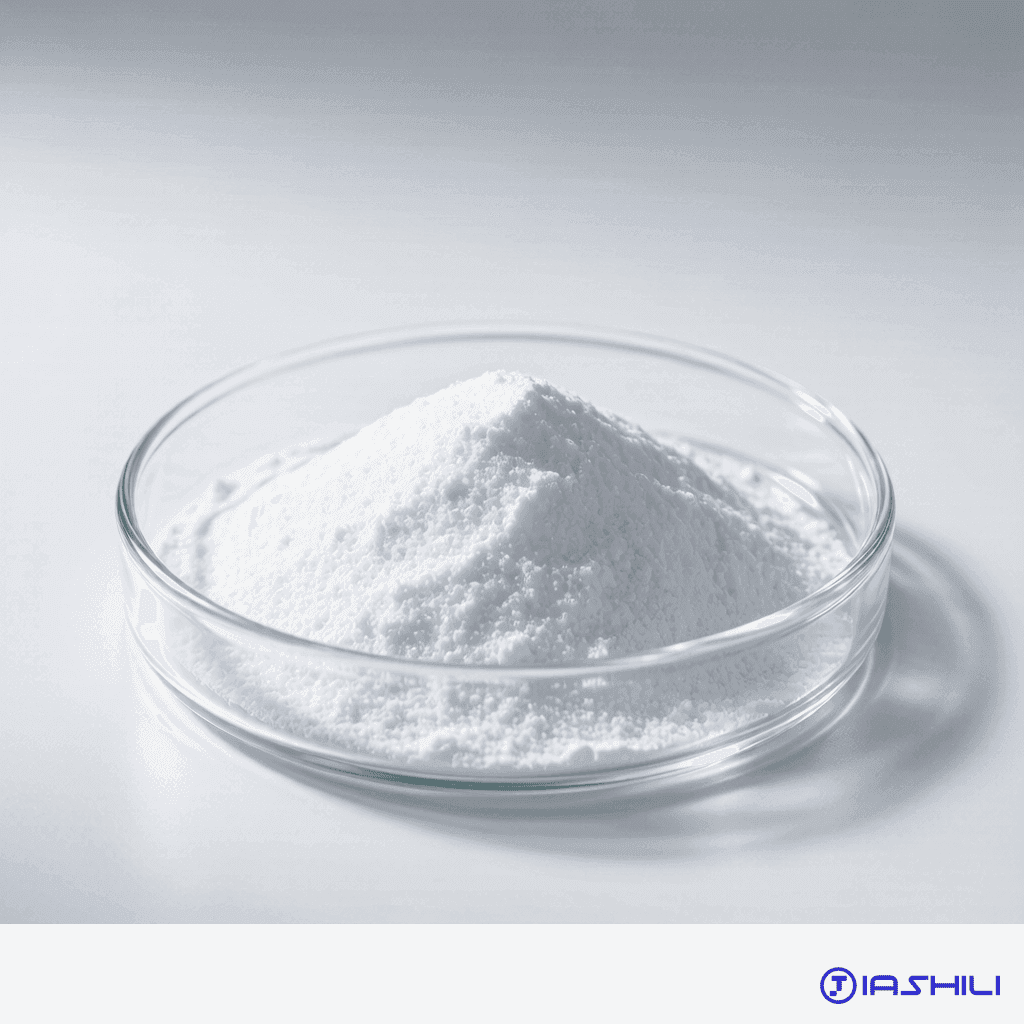 Hydroxyethyl Cellulose 250HHBR
Hydroxyethyl Cellulose 250HHBR
Hydroxyethyl Cellulose 250HHBR is a non-ionic enzyme-resistant cellulose ether rheology modifier with a standard viscosity of 100,000 cP. It delivers excellent low-shear thickening, anti-sagging, suspension and anti-settling properties, as well as superior water retention, effectively minimizing application brush marks and coating cracks while ensuring uniform color development. Its salt resistance outperforms that of ordinary carboxymethyl cellulose, and it has a wide pH adaptability range. It is suitable for interior and exterior latex paints, textured paints, and multicolor base coats, and is often used in combination with polyurethane HEUR thickeners to optimize the rheological performance of coating systems. The recommended dosage is 0.1%–0.7% of the total paint mass; it should be dissolved via low-speed stirring in the aqueous phase before adding pigments and fillers.
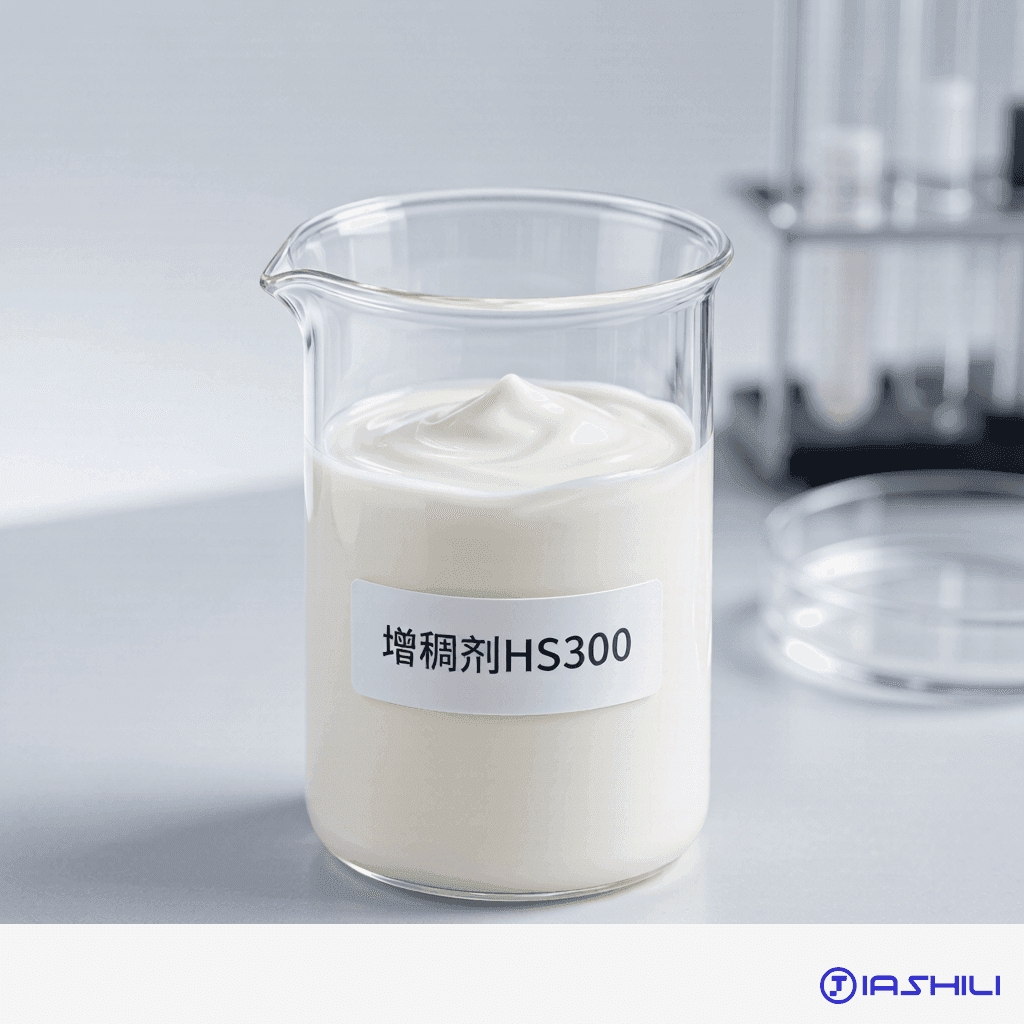 Hydrophobically‑Modified Alkali‑Swellable Emulsion Thickener HS3600
Hydrophobically‑Modified Alkali‑Swellable Emulsion Thickener HS3600
The HASE hydrophobically-modified alkali-swellable emulsion thickener HS3600 can simultaneously enhance low- to medium-shear viscosity of formulations. It offers excellent anti-sagging, anti-settling properties and outstanding storage viscosity stability. Its resistance to microbial degradation far surpasses that of traditional cellulose, effectively minimizing spray splatter during roller coating. Suitable for interior and exterior latex paints, stone-textured paints, and thick-film texture coatings, the recommended formulation is HS3600 + HEUR polyurethane thickener + HEC cellulose. The standard dosage is 0.2%–0.8% of the total paint mass, and it must be activated under alkaline conditions of pH 8.0–9.0.
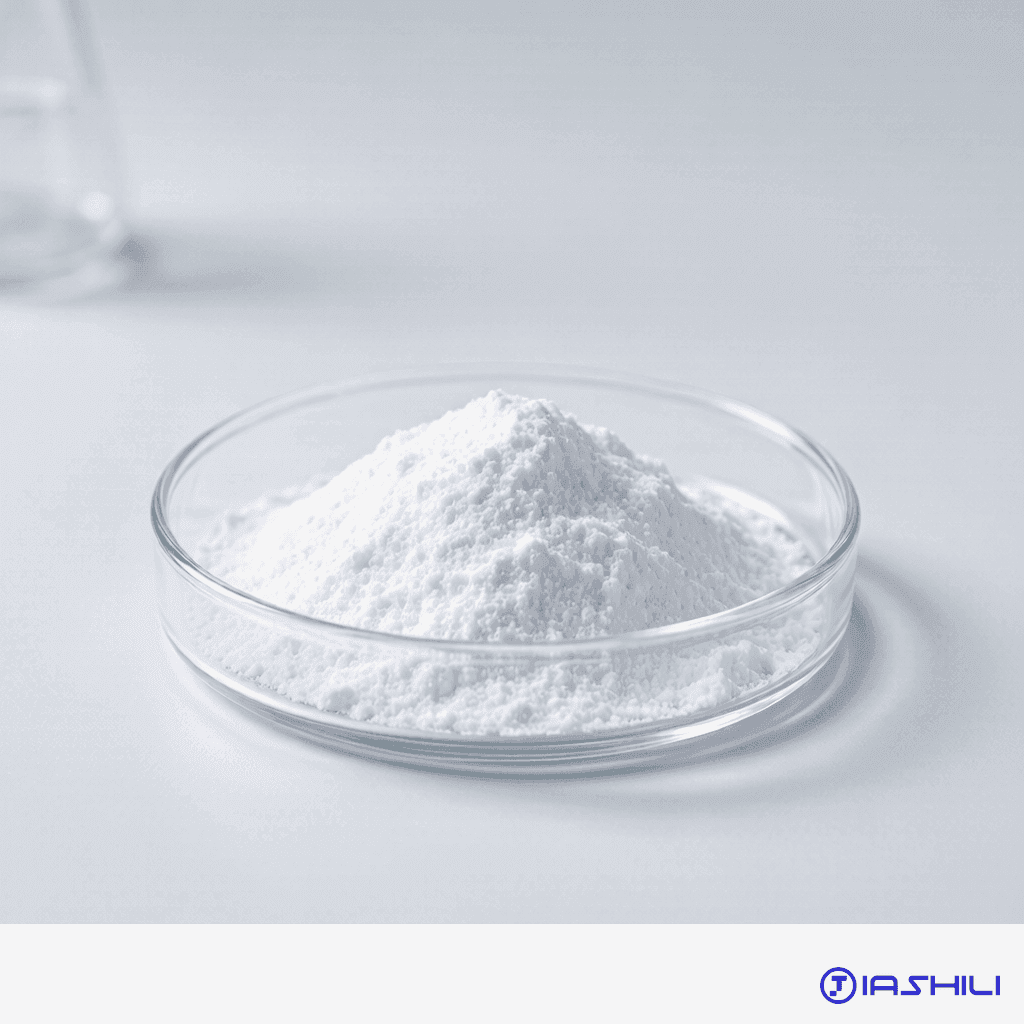 Protective Colloid H‑500、Lithium‑Magnesium‑Sodium Silicate
Protective Colloid H‑500、Lithium‑Magnesium‑Sodium Silicate
Protective Colloid H-500 is a premium synthetic silicate product specifically developed for water-in-water and water-in-sand multicolor coatings. It forms a stable three-dimensional colloidal structure that effectively prevents color bleeding, spot migration, and melting of color particles, providing base coatings with excellent thixotropic suspension stability and enabling precise control over color particle hardness and spraying performance. Its electrolyte tolerance and system stability surpass those of R105 protective colloid, making it suitable for complex formulations with high salt content and abundant fillers. The standard dosage is 3.5%-6.5% for water-in-water multicolor coatings and 2.8%-5.5% for water-in-sand multicolor coatings. For application, dissolve the product in deionized water to form a masterbatch before adding it to the base coating; direct addition of dry powder or high-speed shearing is strictly prohibited.
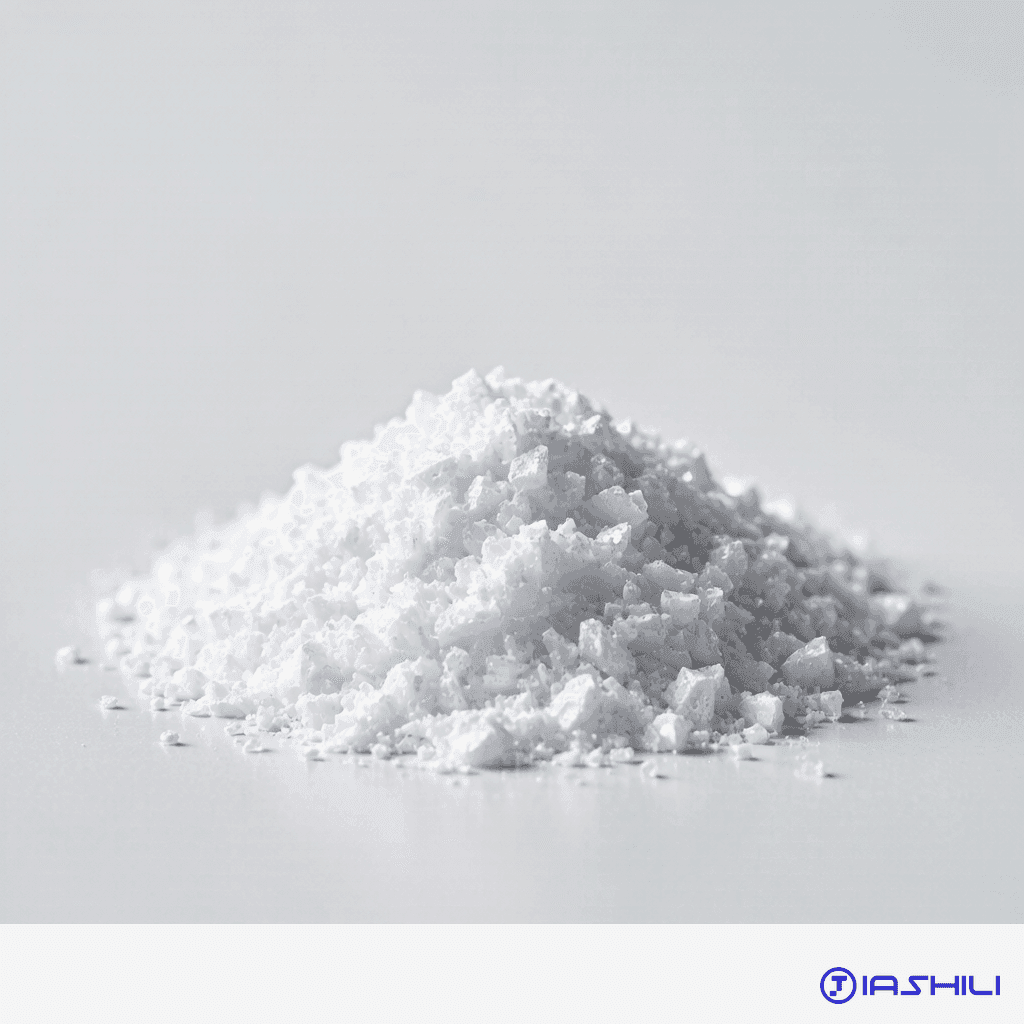 Melamine、2,4,6‑Triamino‑s‑triazine
Melamine、2,4,6‑Triamino‑s‑triazine
Melamine (2,4,6‑Triamino‑s‑triazine) is a specialized functional chemical raw material and must not be directly added to ordinary architectural latex paints or textured coatings. It serves as a monomer for amino resin synthesis; after etherification modification, it acts as a cross-linking agent for baking coatings, greatly enhancing film hardness, chemical resistance and weather resistance. Additionally, it functions as a core flame-retardant component in intumescent fireproof coatings, with an optimal addition level of 5%–15% of the total coating mass. For application, it should be fed during the high-speed dispersion stage, while dust protection measures must be strictly observed and exposure to high temperatures avoided.
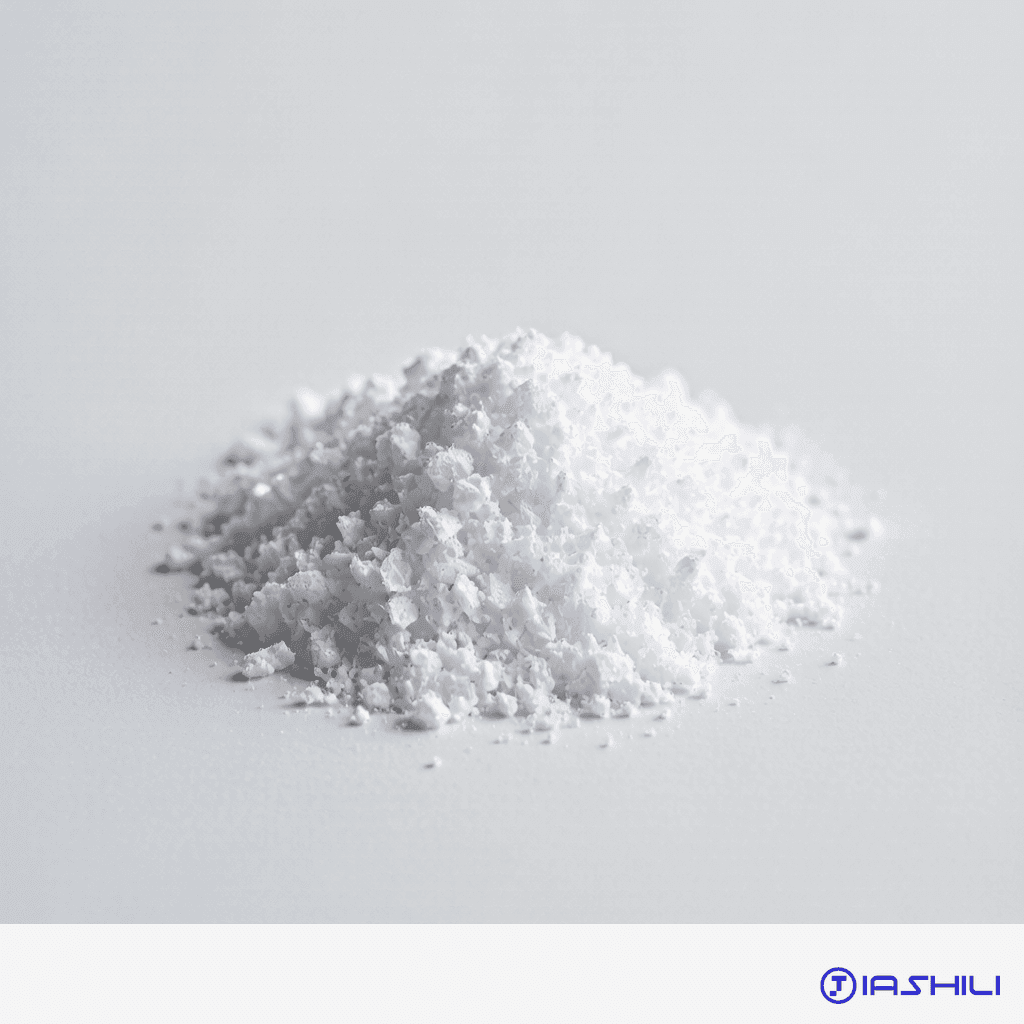 Pentaerythritol、2,2‑Bis(hydroxymethyl)propane‑1,3‑diol
Pentaerythritol、2,2‑Bis(hydroxymethyl)propane‑1,3‑diol
Pentaerythritol is a tetrafunctional polyol raw material that must not be directly added to ordinary latex paints. Firstly, it serves as a core monomer for synthesizing alkyd and polyester resins, significantly enhancing film hardness, gloss, and weather resistance. Secondly, it acts as a key carbon source in intumescent fire-retardant coatings; when compounded with ammonium polyphosphate and melamine, it forms a dense insulating char layer for outstanding fire-retardant performance. The recommended addition level in fire-retardant coatings is 15%-25%. During production, strict dust control and impurity management are required to ensure the integrity of the ternary compounding system.
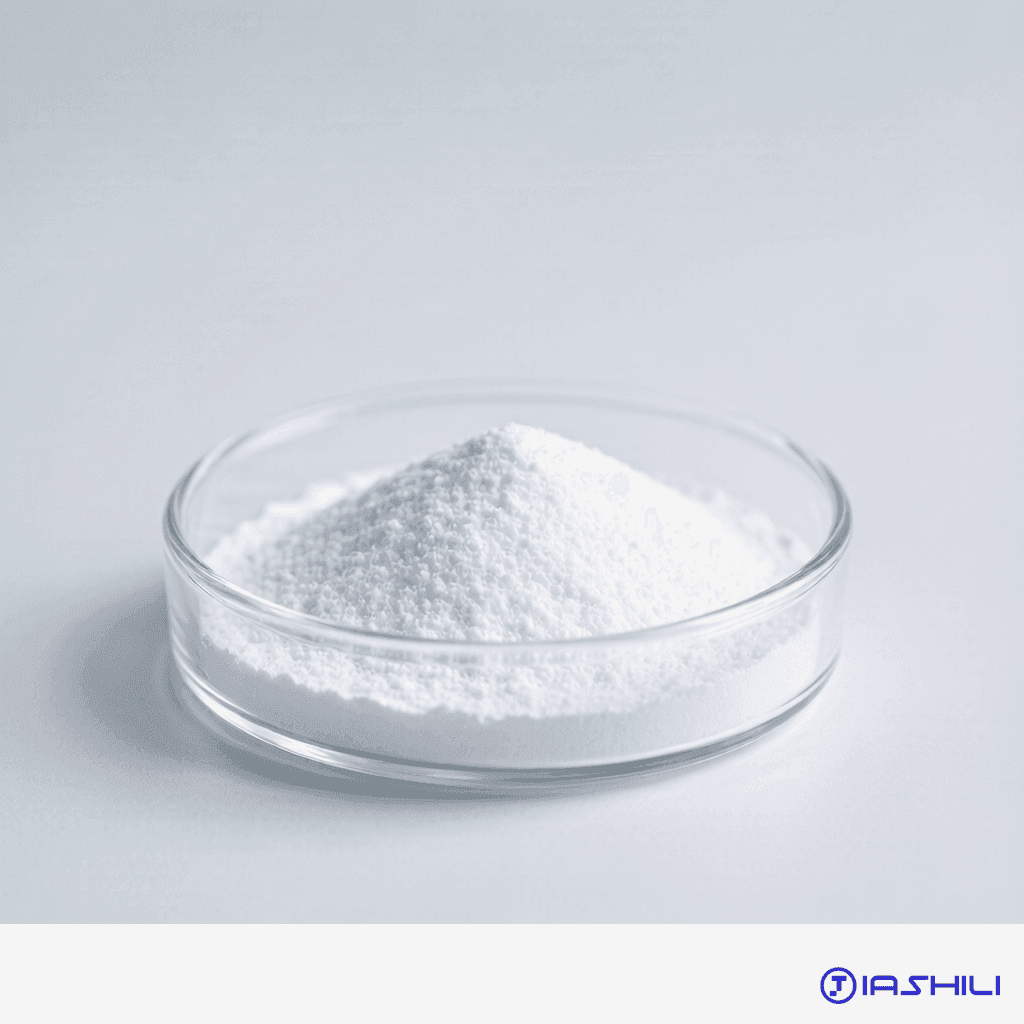 Ammonium Polyphosphate Type‑Ⅱ
Ammonium Polyphosphate Type‑Ⅱ
Ammonium Polyphosphate Type‑II serves as the core acid source ingredient for intumescent fireproof coatings. When compounded with pentaerythritol and melamine, it forms a dense insulating carbon layer that delivers halogen-free smoke suppression and superior fireproofing performance. The recommended dosage is 20%-35% of the total coating mass; store the product in a moisture-proof environment and use it exclusively in dedicated fireproof formulations.
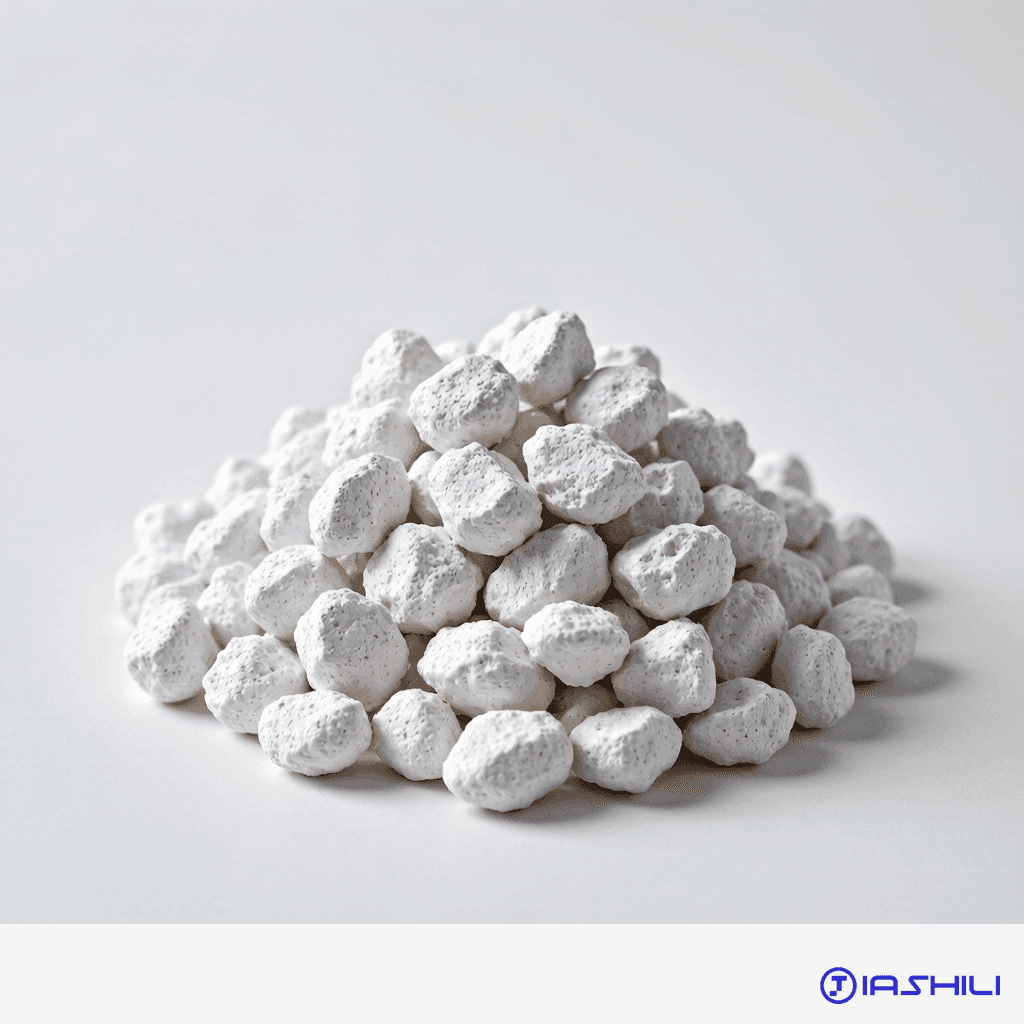
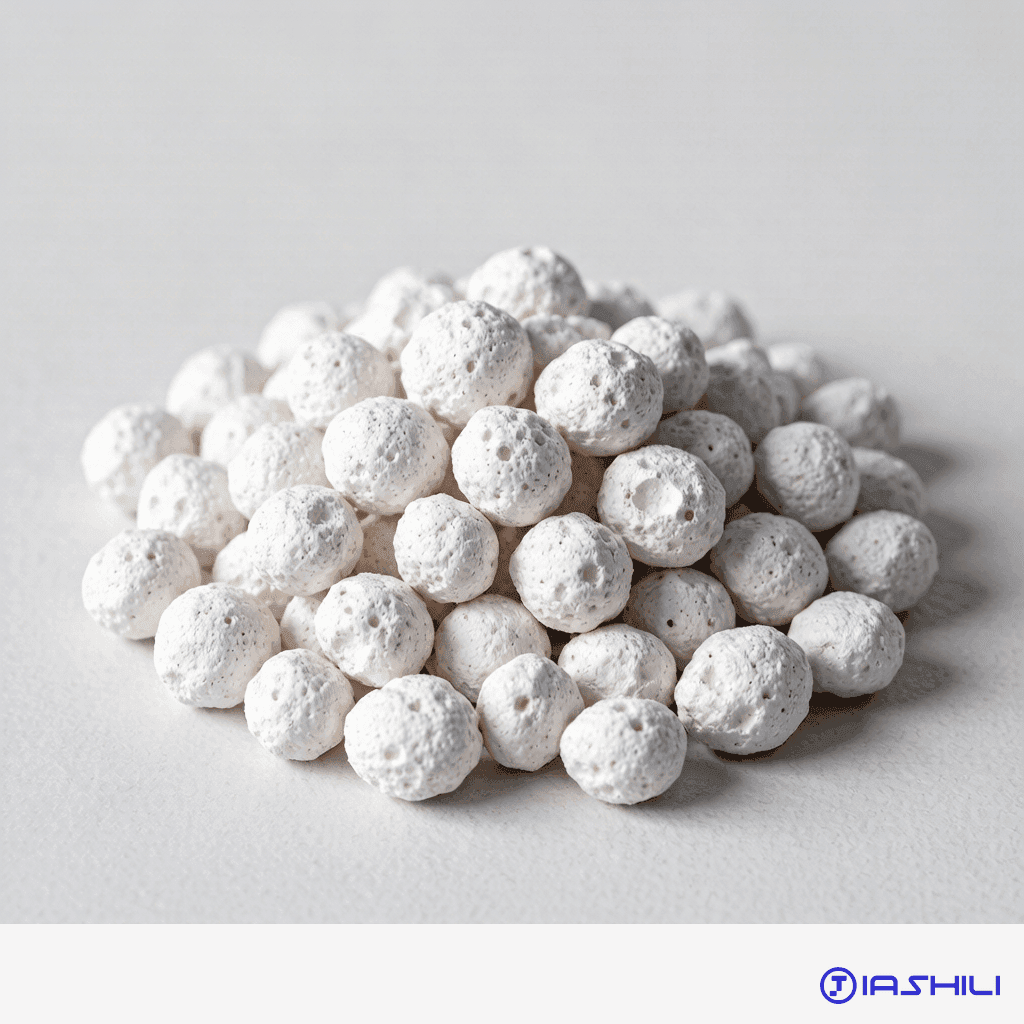 Expanded Perlite
Expanded Perlite
Expanded Perlite is a lightweight, porous inorganic mineral filler with outstanding thermal insulation, fire resistance, and heat retention properties. It is ideal for non-expanding fireproof coatings, thermal insulation coatings, and thick-film fireproof textured coatings, effectively reducing coating density and minimizing cracking during thick application. The standard dosage ranges from 15% to 30% for thick-fireproof coatings, 8% to 20% for insulation coatings, and 5% to 15% for fireproof textured paints. Hydrophobic modified grades should be used, and high-speed shearing or sanding must be avoided to preserve its performance.
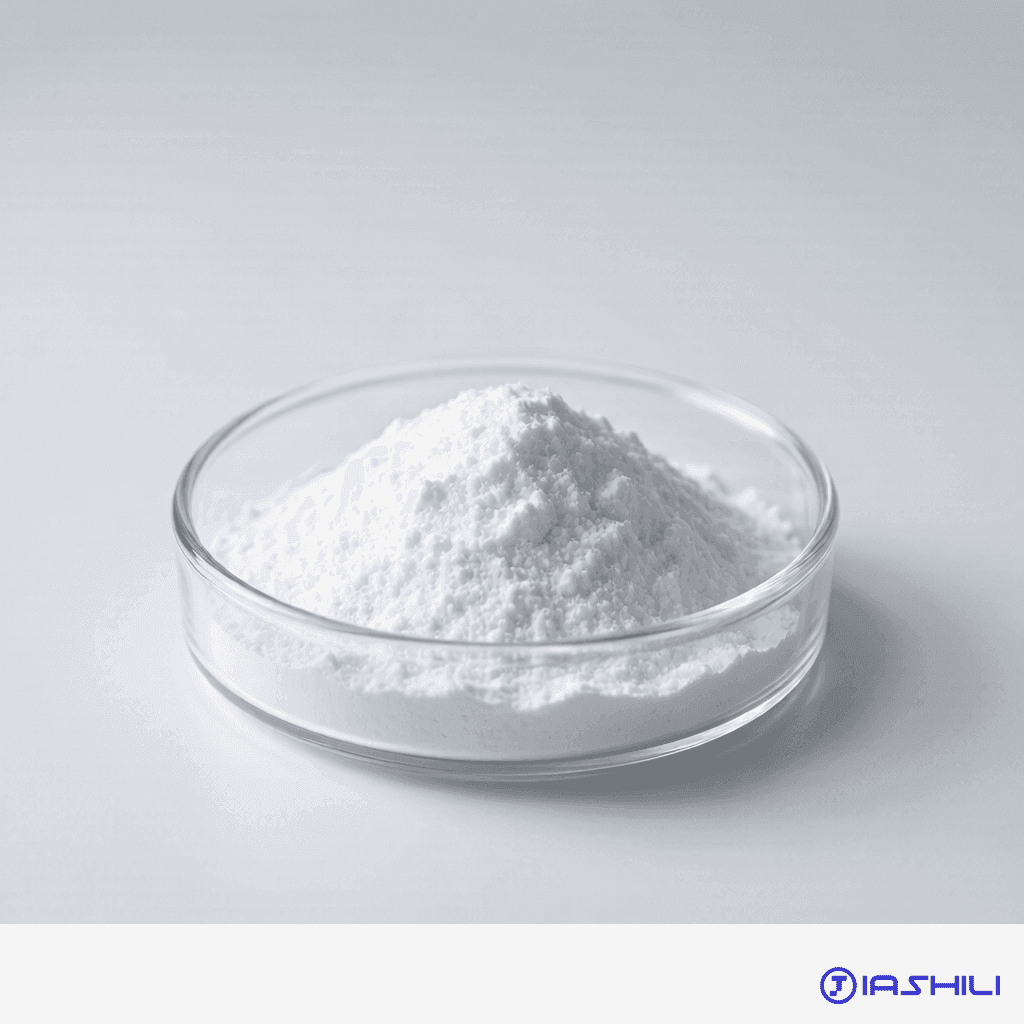 Hydroxypropyl Methylcellulose(K‑100M)
Hydroxypropyl Methylcellulose(K‑100M)
Hydroxypropyl Methylcellulose (K-100M) is a non-ionic high-viscosity cellulose ether featuring strong thickening under low shear, anti-sagging properties, excellent water retention and suspension capabilities. It significantly improves thick-film application performance and reduces the risk of coating cracking and powdering. With a wide pH adaptability range and better salt resistance than CMC, it is recommended for use in putties, textured stone coatings, and fireproof thick coatings. It works optimally when combined with HEUR polyurethane thickeners. The standard dosage is 0.15%–0.6% of the total coating mass; proper feeding according to specified procedures is required to ensure stable performance.
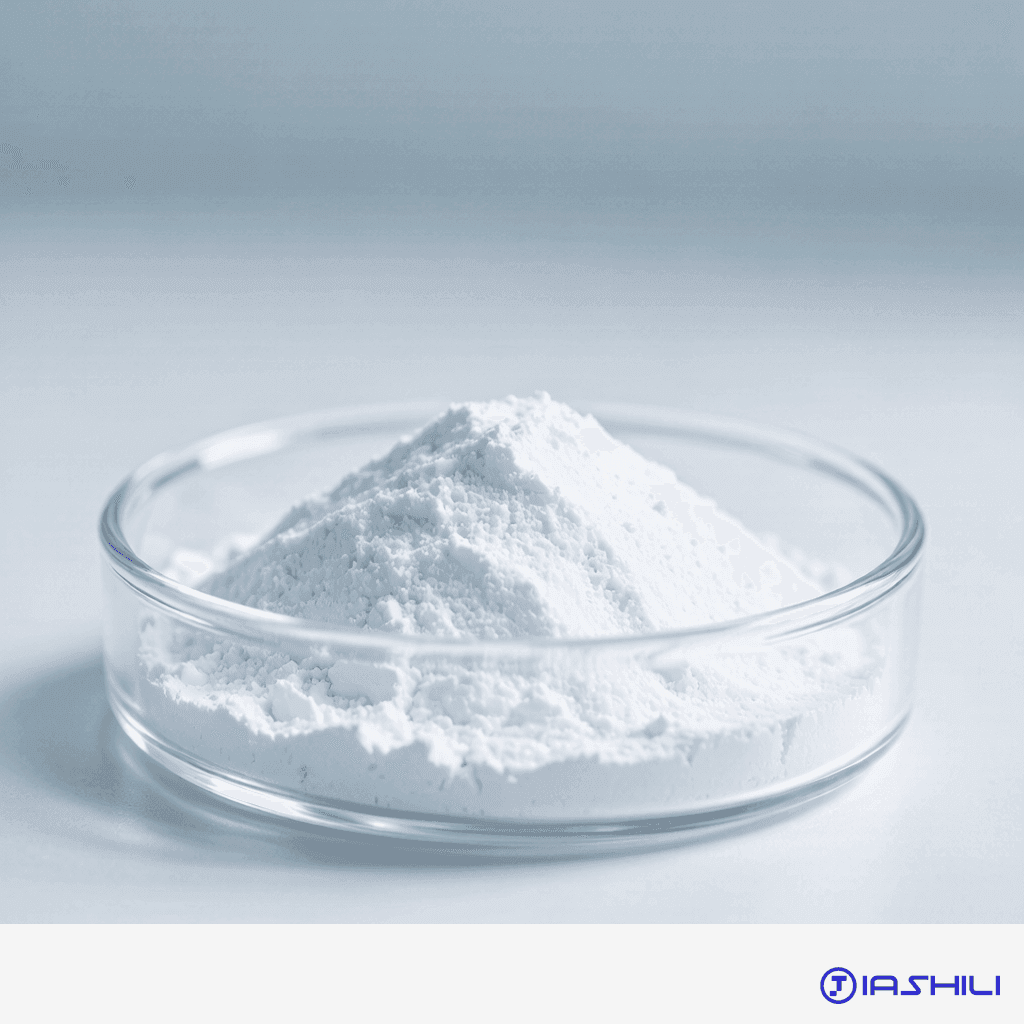 Hydroxypropyl Methylcellulose‑20S
Hydroxypropyl Methylcellulose‑20S
HPMC-20S is a cold-water-soluble, medium-viscosity non-ionic cellulose ether that offers better flow and leveling properties than high-viscosity grades. It provides excellent thickening, water-retention, and anti-sagging performance, significantly improving the application feel of coatings while reducing cracking and brush marks. With a wide pH tolerance and good salt resistance, it is suitable for use in putties, latex paints, textured thick coatings, and fireproof coatings. It often works in combination with HEUR and HASE thickeners to exhibit thermogelling characteristics. Recommended dosage ranges from 0.25% to 0.7% for putties, 0.15% to 0.4% for latex paints, 0.1% to 0.3% for stone-like coatings, and 0.15% to 0.35% for fireproof coatings.
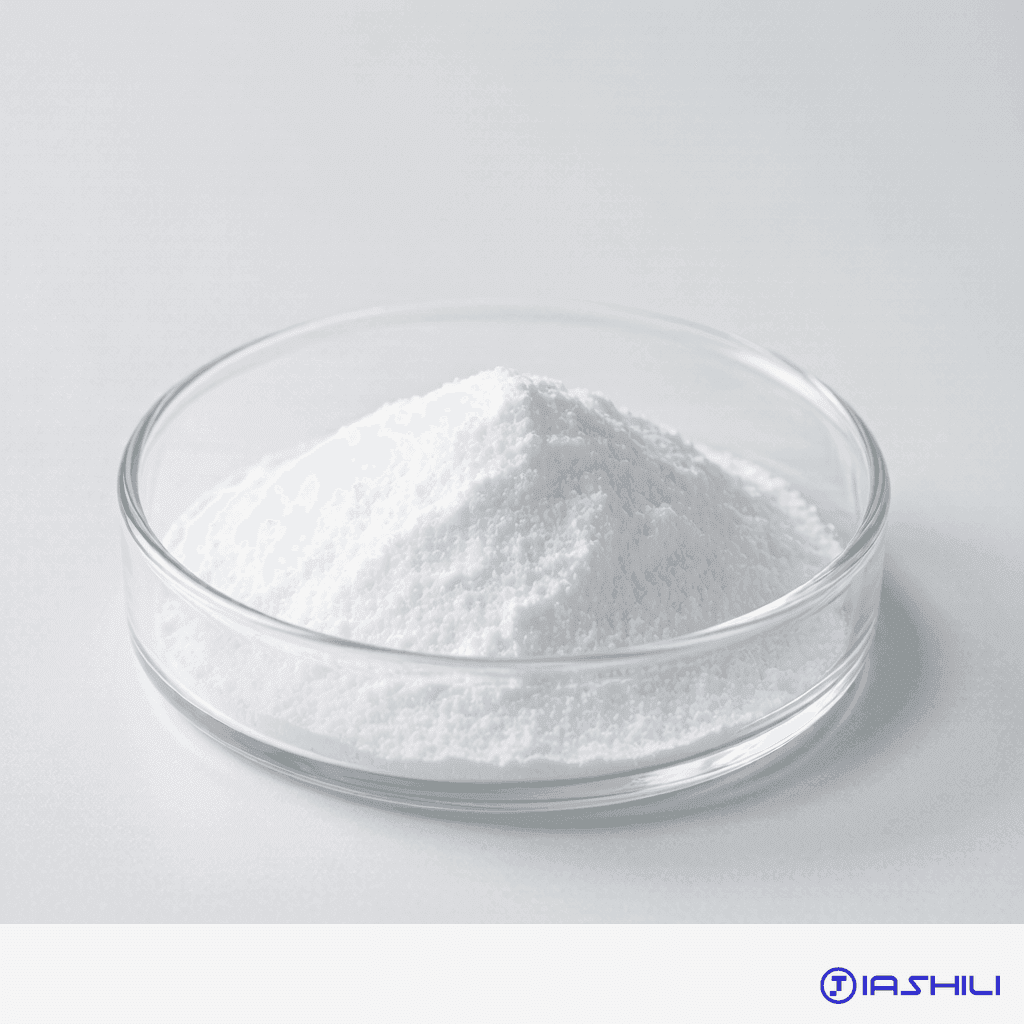 Hypromellose、HPMC
Hypromellose、HPMC
Universal Hypromellose HPMC is a high-performance non-ionic cellulose ether thickening and water-retaining agent. It offers low-shear thickening, anti-sagging properties, excellent water retention, and suspension stability, significantly improving the workability of troweling and rolling applications while reducing coating cracking and powdering. With a wide pH adaptability range and better salt resistance than CMC, it can be blended with HEUR and HASE thickeners and also exhibits thermal gelation characteristics. The recommended dosage ranges from 0.2% to 0.7% for putties, 0.1% to 0.4% for stone coatings and thick coatings, 0.15% to 0.5% for fireproof coatings, and 0.1% to 0.35% for latex paints.
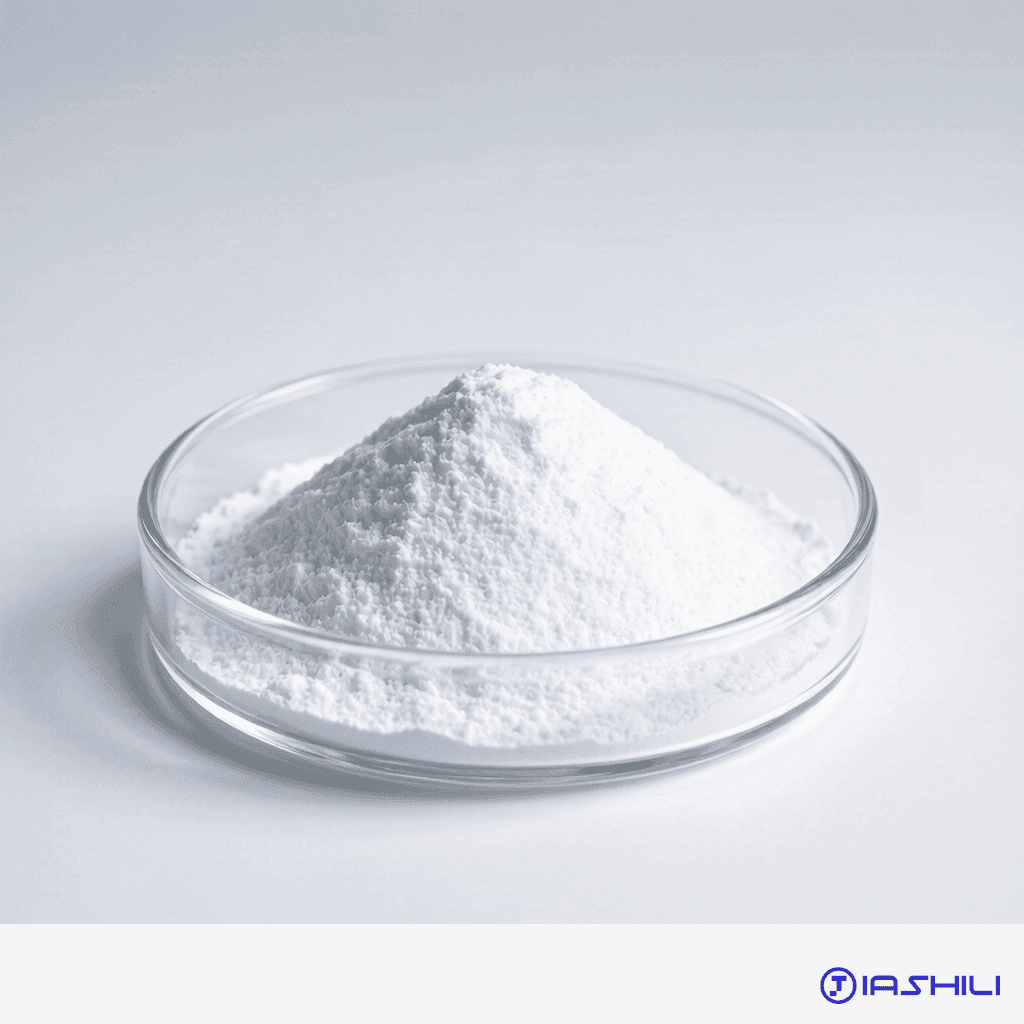 108‑type Quick‑Soluble Building Adhesive Powder
108‑type Quick‑Soluble Building Adhesive Powder
108-type quick-soluble adhesive powder is a cold-water soluble bonding additive designed specifically for interior wall putty and surface texturing applications. When added, it can increase bonding strength by over 30%, effectively preventing coating powder loss and delamination while providing thickening and water-retention properties to enhance application ease. The standard dosage is 0.15%-0.4% of dry putty mix, with the adhesive solution prepared at a ratio of 1:60-100 (powder:water). Note that it must be used immediately after preparation with preservatives added, and is not suitable for exterior walls or high-moisture areas such as kitchens and bathrooms.
 821 Interior Wall Putty Powder Additive‑Package
821 Interior Wall Putty Powder Additive‑Package
The 821 Interior Wall Putty Powder Additive-Package is specifically formulated for ordinary non-waterproof interior wall putty. It contains pregelatinized starch, HPMC, and bentonite to enhance bonding strength, water retention, and construction stability. The standard mixing ratio (for 1000 parts of calcium carbonate powder) is 3-8 parts pregelatinized starch, 2.5-4.5 parts HPMC, and 3-8 parts bentonite. After uniform dry mixing, it can be applied directly with water, offering excellent cost-effectiveness.
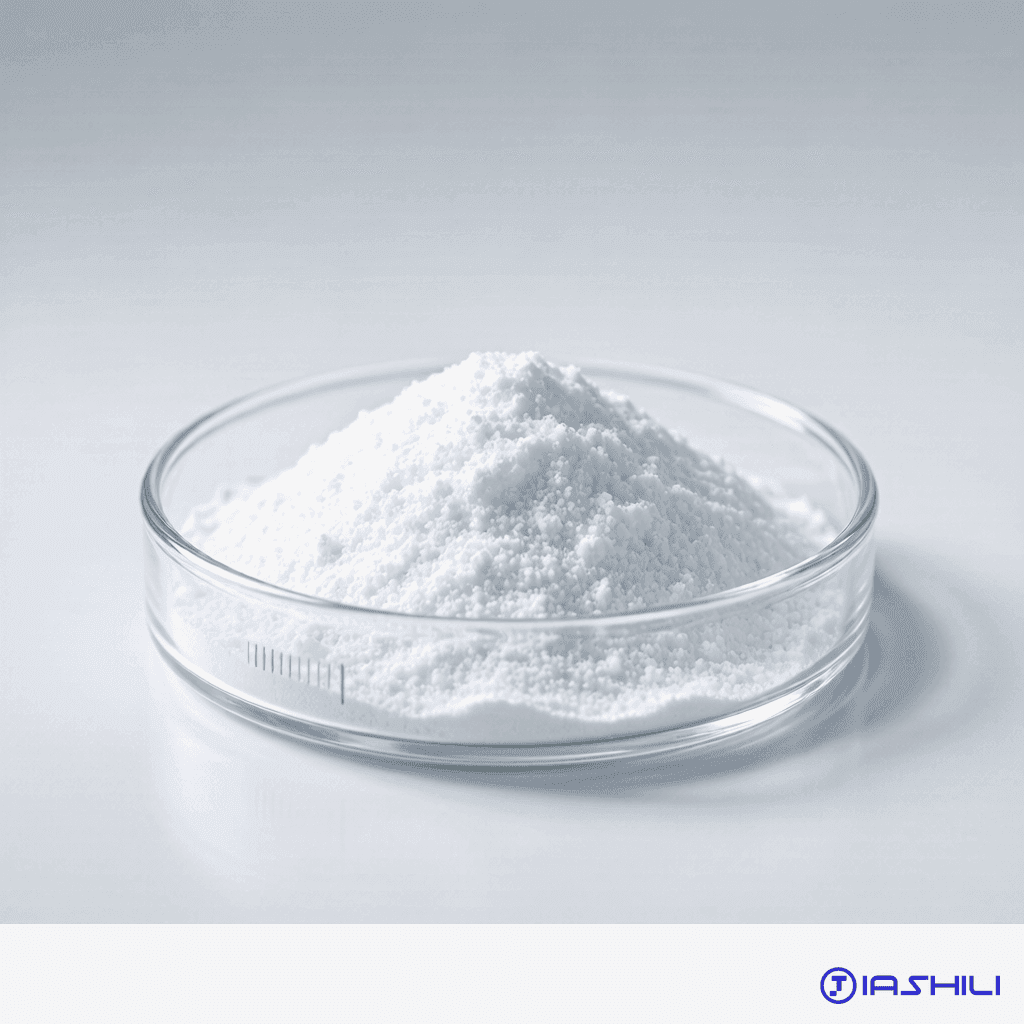 Polyvinyl Alcohol 2488(PVOH‑2488)
Polyvinyl Alcohol 2488(PVOH‑2488)
Polyvinyl Alcohol 2488 (PVOH-2488) is a cold-water soluble polymer binder with a degree of polymerization of 2400 and 88% hydrolysis degree, specifically designed to enhance bonding strength in building dry-mix systems. It significantly improves the adhesion of putty, dry-mix mortar, and interface agents, preventing powder shedding, delamination, and hollowing while providing water retention and thickening properties. Typically blended with HPMC cellulose ether to optimize workability. The recommended dosage is 0.3–1.0% in putty formulations, with a slurry ratio of 1:60–100 (powder:water). Note that it must not be used in latex paint systems, and the slurry should be prepared fresh and treated with preservatives.
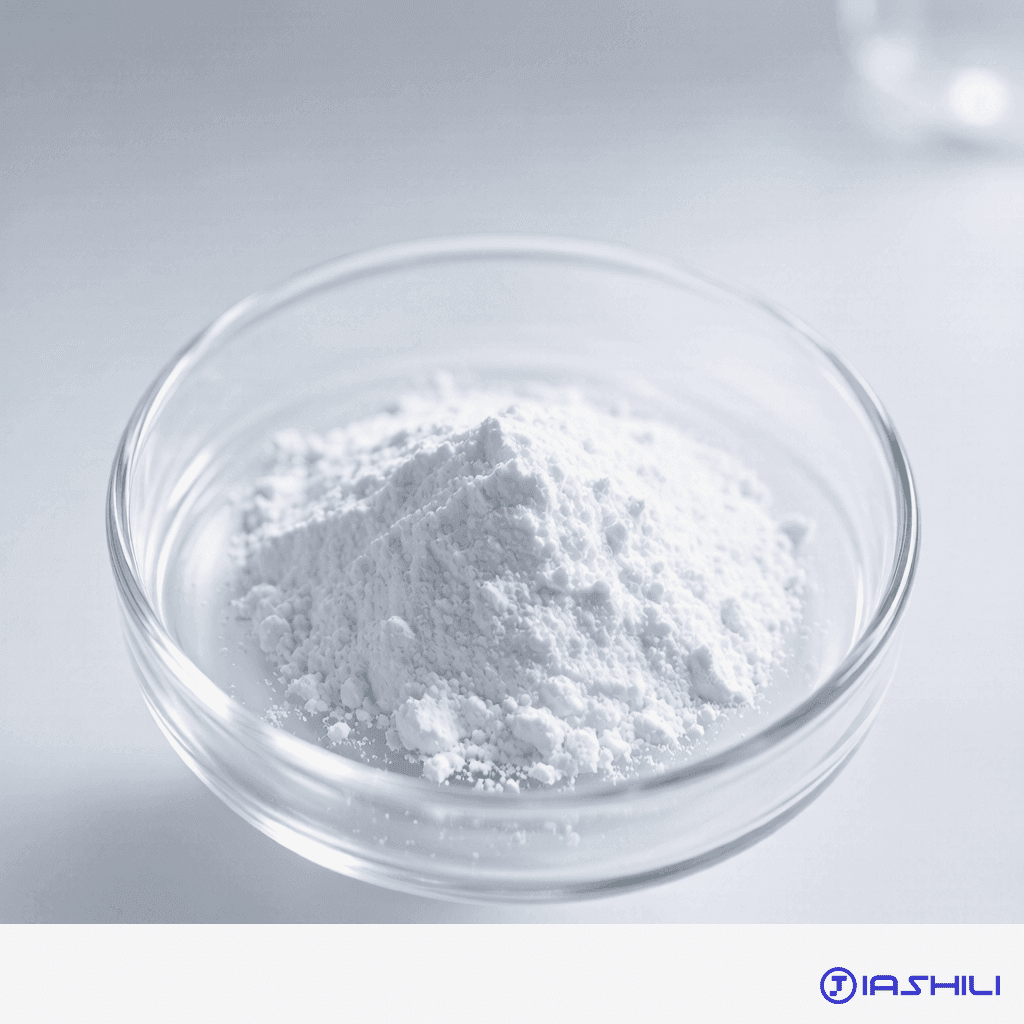 Redispersible Polymer Powder(RDP‑VAE)
Redispersible Polymer Powder(RDP‑VAE)
Redispersible Polymer Powder (RDP-VAE) is an organic binding and film-forming additive specifically formulated for dry-mix mortars and putties. Upon contact with water, it quickly disperses into a uniform emulsion, greatly enhancing the bonding strength, flexibility, and crack resistance of the materials. Its water resistance, weather resistance, and durability outperform traditional PVA and starch-based adhesives. It is suitable for exterior waterproof putties, thermal insulation render mortars, tile adhesives, and interior waterproof putties. The recommended dosage ranges from 1.5–3.5% for exterior putties, 0.8–2.0% for interior putties, and 2.0–4.0% for insulation mortars. Proper dosage control and moisture-proof storage are essential during application.
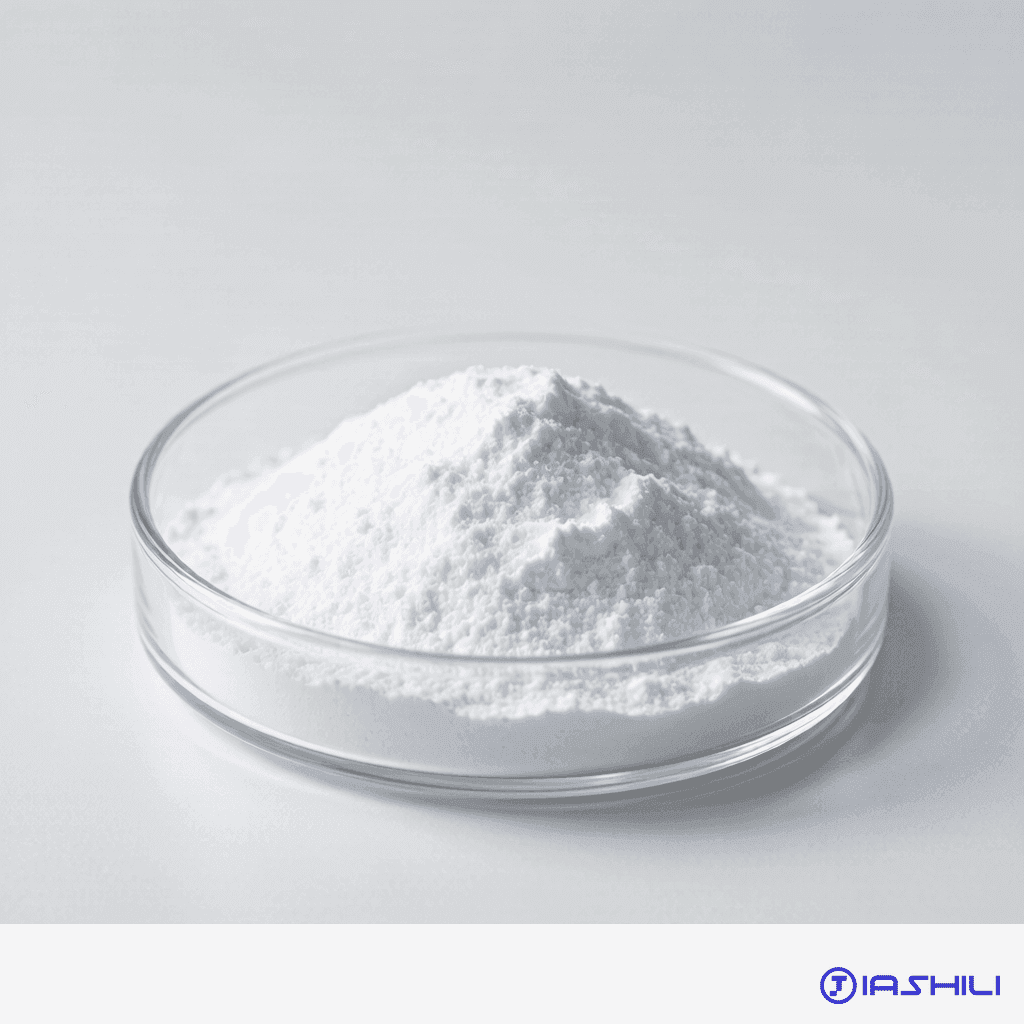 Hydroxypropyl Starch Ether YT‑30
Hydroxypropyl Starch Ether YT‑30
YT-30 Hydroxypropyl Starch Ether is a rheology modifier specifically designed for putties and gypsum mortars. With an ultra-low dosage of 0.03%-0.15%, it significantly improves the smoothness of application, eliminates sticking to tools and rough texture, while enhancing the anti-sagging and anti-sliding performance of the system and providing auxiliary water retention. It must be used in combination with HPMC cellulose ether and cannot replace primary water-retaining agents alone; a small-scale application test is recommended prior to mass production.
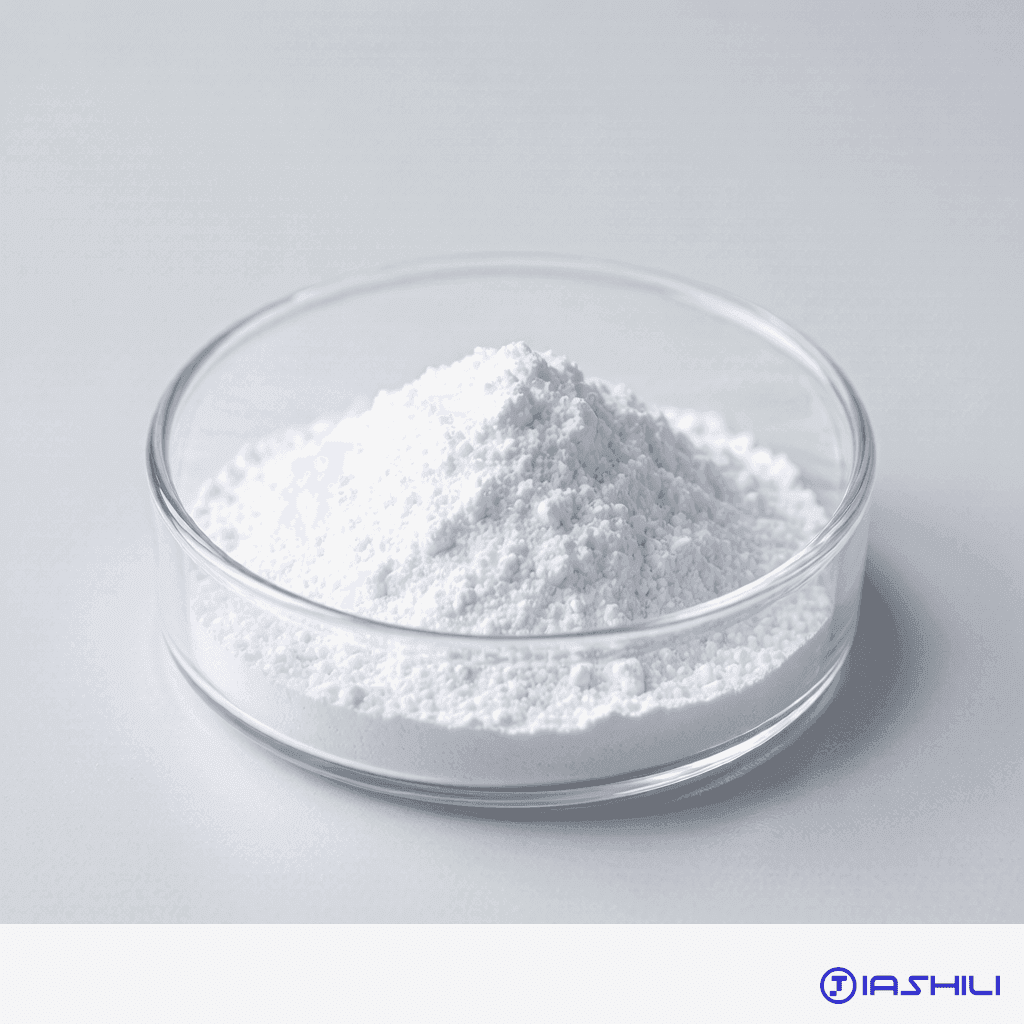 Ground Calcium Carbonate
Ground Calcium Carbonate
Ground Calcium Carbonate (special for plastering gypsum) is an inert inorganic filler that enhances the workability of mortar, optimizes particle grading, and improves coating whiteness, thereby significantly cutting raw material costs. The recommended dosage is 15-30% for base-layer plastering gypsum, 8-20% for top-layer plastering gypsum, and 5-15% for lightweight gypsum mortar. It is advised to use 200-325 mesh grades; when the dosage increases, an appropriate amount of cellulose ether should be added to maintain optimal workability.
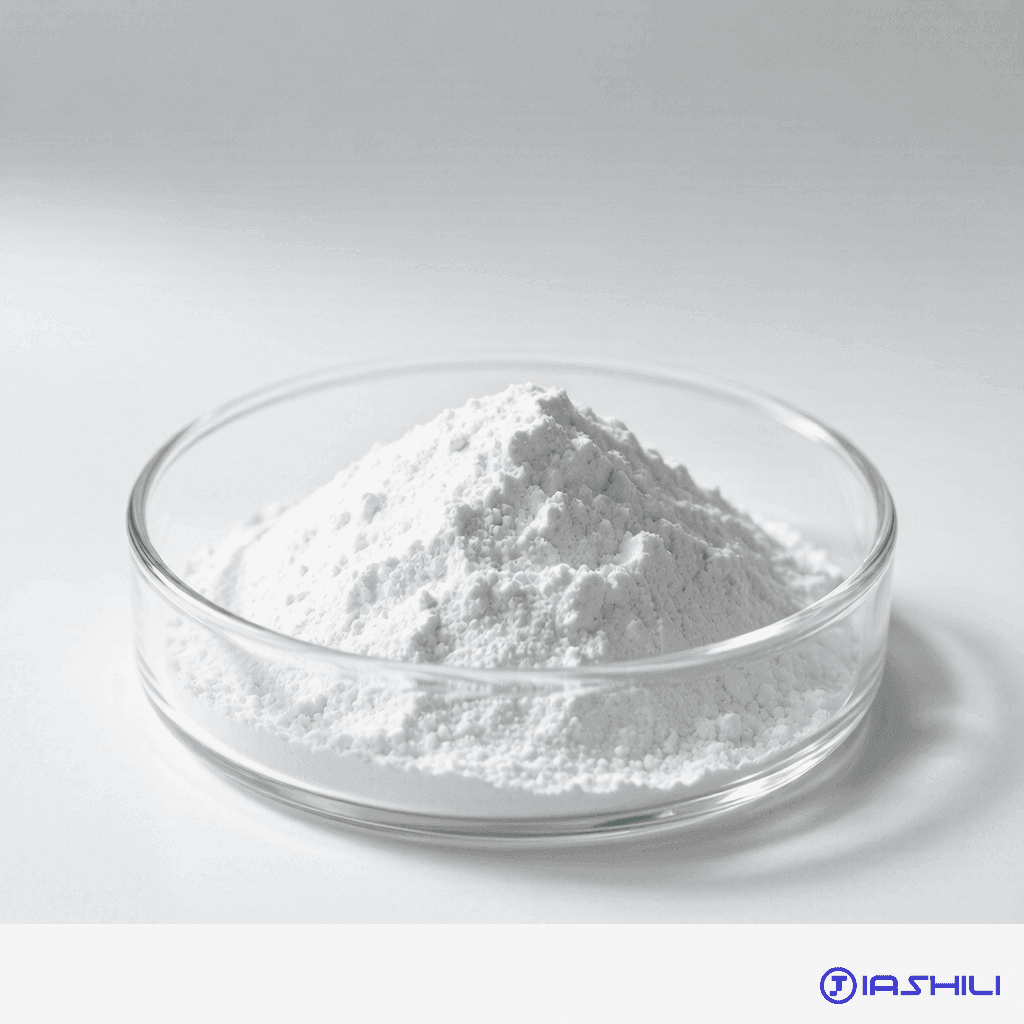 White Portland Cement
White Portland Cement
White Portland cement serves as a key binding material for decorative gypsum and finishing mortars. It markedly enhances the hardness, whiteness, and density of surface layers while strengthening substrate adhesion and water resistance. With its rapid setting characteristics, it significantly reduces construction working time. The standard dosage ranges from 5-12% for decorative gypsum, 3-8% for finishing gypsum, and up to 5% for base gypsum. Proper formulation requires adjusting the proportions of water-retaining agents and retarders to ensure optimal construction performance and product quality.
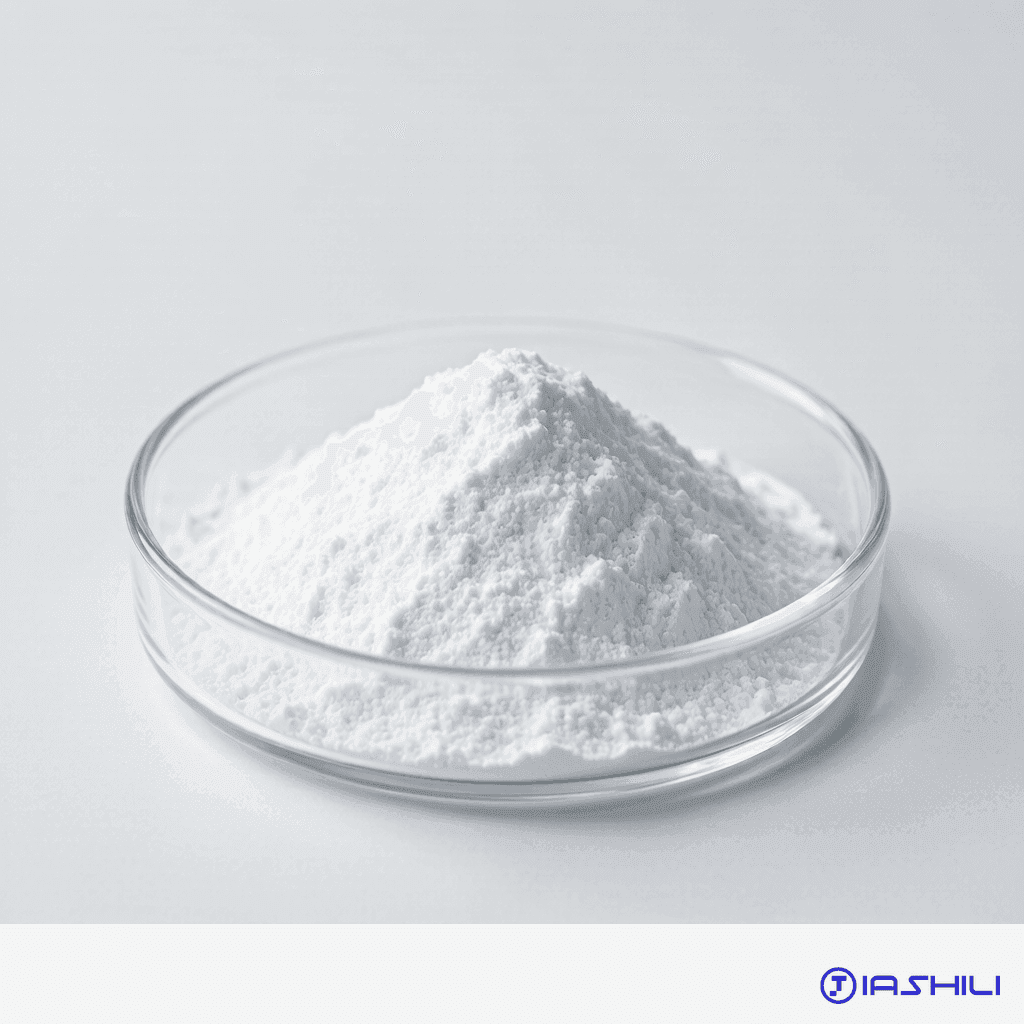 Calcium Sulfate Hemihydrate,Plaster of Paris
Calcium Sulfate Hemihydrate,Plaster of Paris
Calcium sulfate hemihydrate (plaster of Paris) serves as the core binding material for finishing and leveling plasters. Upon hydration, it forms a slightly expansive structure that effectively prevents coating cracks caused by drying shrinkage, offering excellent bonding strength, smooth workability, and superior breathability. The standard dosage is 55%-70%; a retarder must be added to extend the working time, and the material requires careful moisture-proof storage to maintain consistent performance.
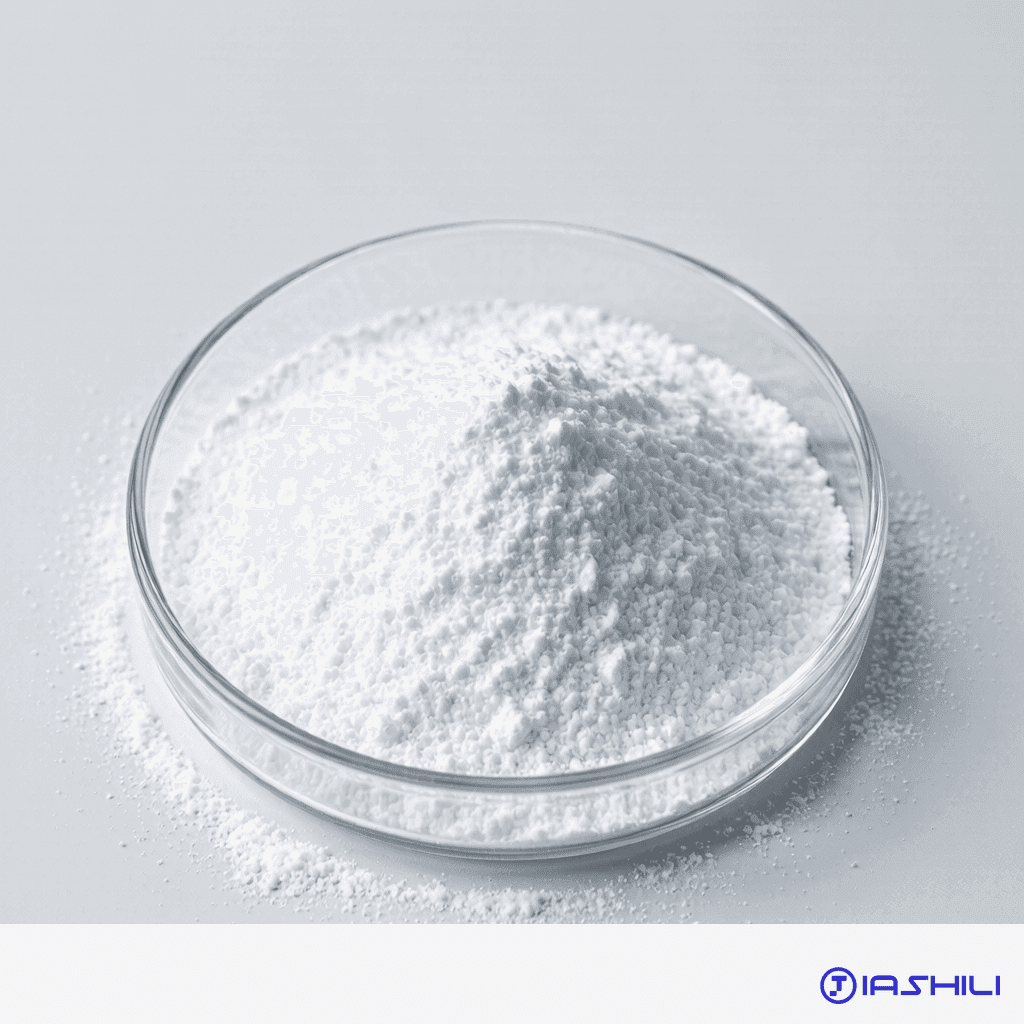 Ground Calcium Carbonate 400‑Mesh
Ground Calcium Carbonate 400‑Mesh
Ground Calcium Carbonate 400-Mesh is a coarse-particle inorganic filler that effectively reduces costs while enhancing the base hardness of coatings. Recommended dosage: 20-35% in base plaster, 60-80% in coarse putty, and 5-15% in crack-resistant mortar. It is suitable solely for base-level filling and leveling; for fine surface applications, products with 800-1250 mesh particle size are recommended.
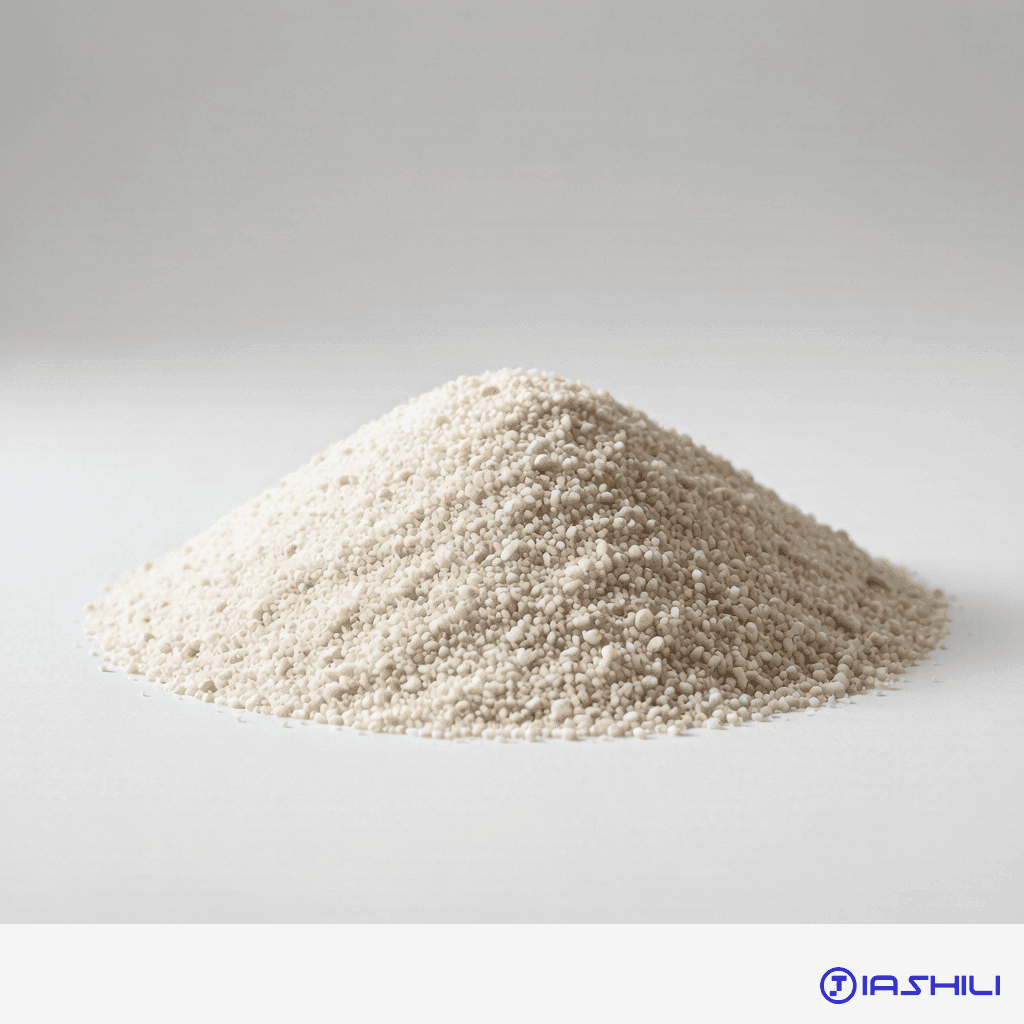 Yellow Construction Sand / River Sand
Yellow Construction Sand / River Sand
Natural yellow sand is a rigid fine aggregate specifically designed for building dry-mix mortars. It forms a rigid framework within coatings, greatly enhancing compressive and wear resistance while effectively preventing drying shrinkage and cracking, all while reducing formulation costs. The standard dosage is 25-40% for base-layer plastering gypsum and 30-50% for exterior wall crack-resistant mortar; 40-70 mesh sand with a mud content of ≤3% should be used. This material is not suitable for fine surface layer applications.
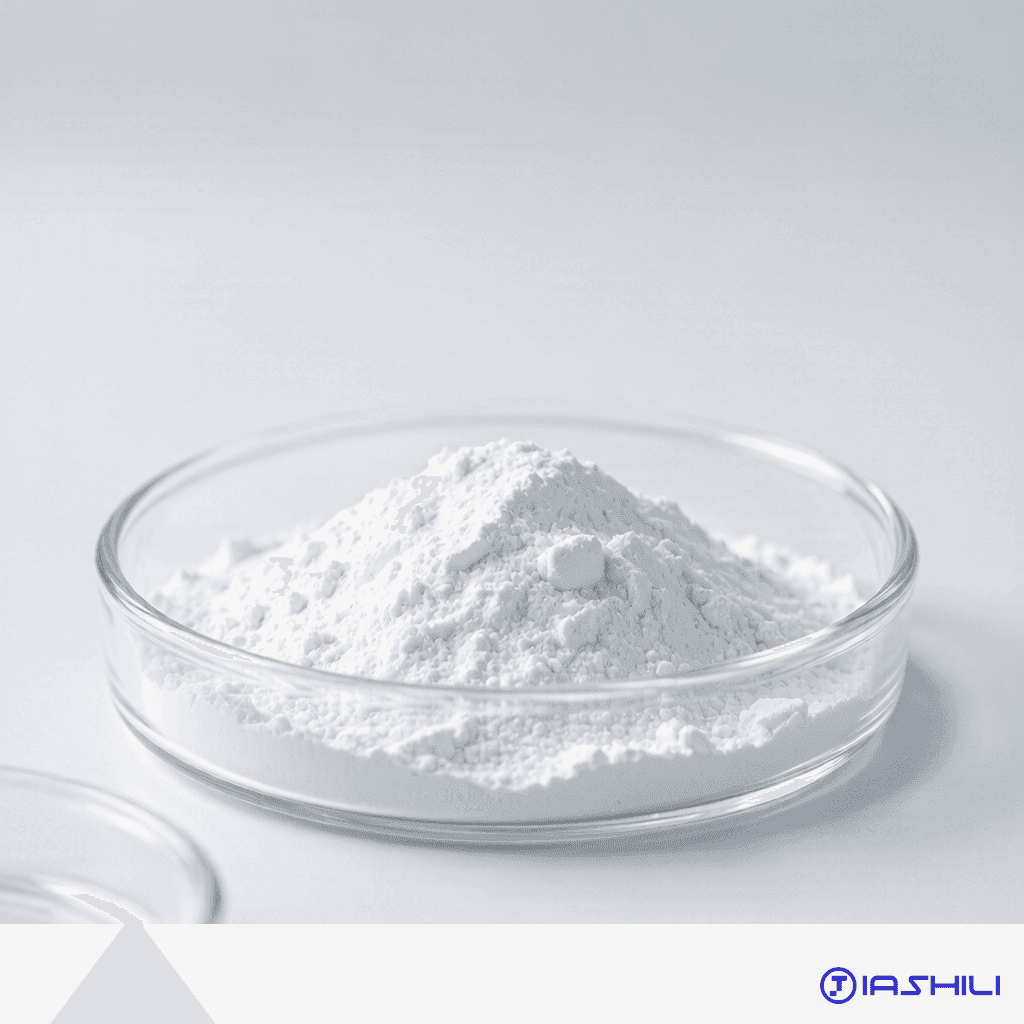 Yellow‑shade Ground Calcium Carbonate
Yellow‑shade Ground Calcium Carbonate
Yellow-shade Ground Calcium Carbonate is a yellow-toned limestone-based ground calcium carbonate filler that significantly reduces the cost of base dry-mix systems while markedly improving base-layer application performance and leveling results. Featuring a light yellow tint, it meets the requirements for dark-colored base layer leveling. The standard dosage rates are 20–35% for base plastering gypsum, 60–80% for coarse putty, and 5–15% for crack-resistant base mortar. It must be thoroughly dry-mixed with other powder materials before use, and can only be applied to wall base layers; it is strictly prohibited from being used in white topcoat systems.
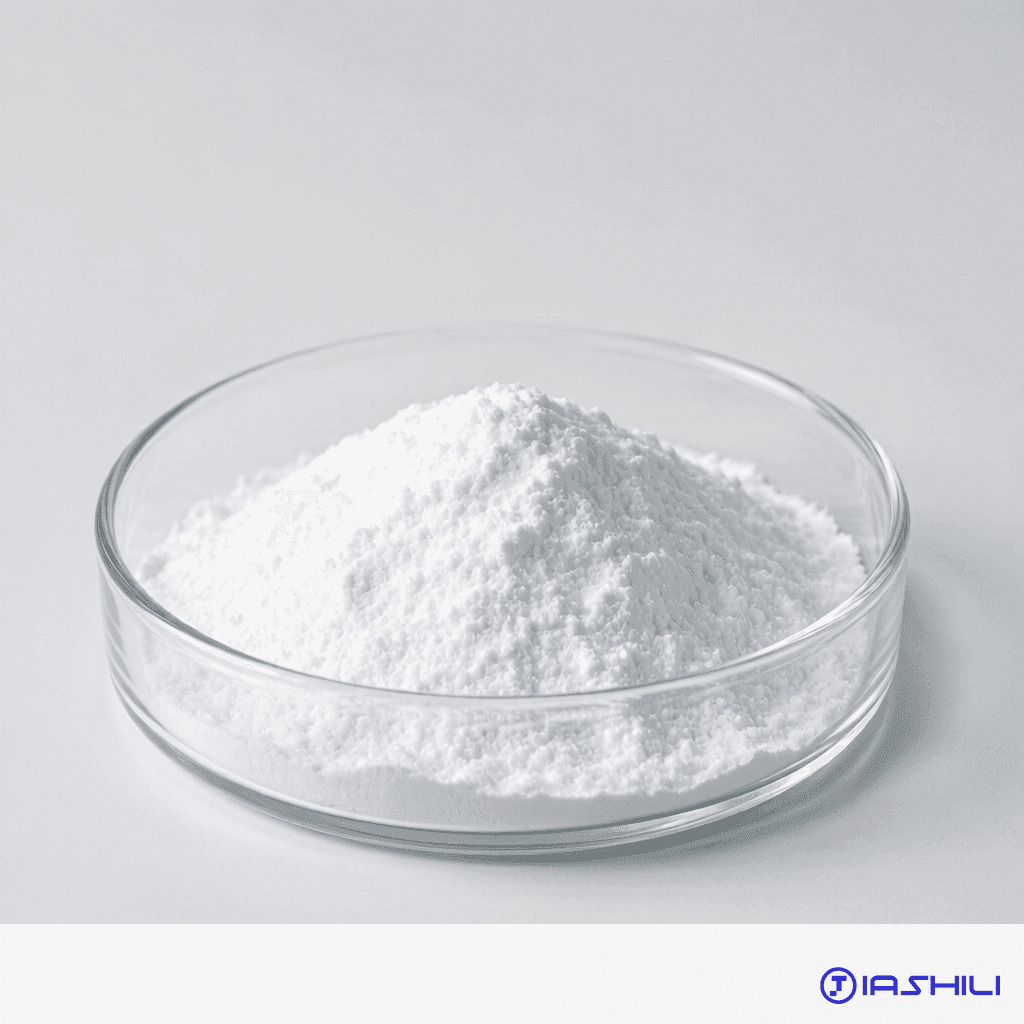 Sodium Gluconate
Sodium Gluconate
Sodium gluconate is a universal hydration retarder suitable for both cement and gypsum. It effectively slows down the setting rate of binding materials, extends working time on site, and enhances the workability and troweling feel of mortars and gypsum products. The recommended dosage is 0.05–0.25% for cement mortar and 0.10–0.30% for finishing gypsum. Always conduct a small-scale test prior to use, and it is advised to blend it with protein-based retarders to achieve more stable retarding performance.
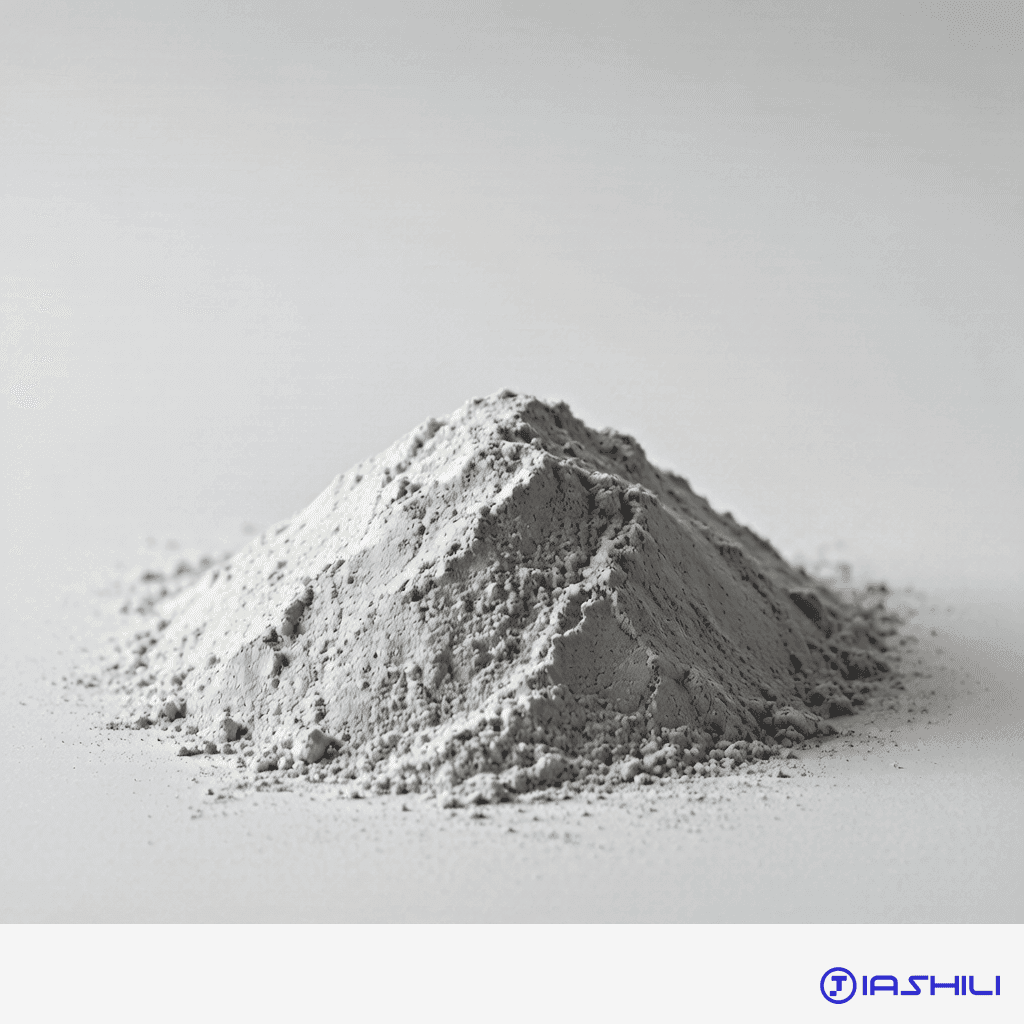 Ordinary Portland Cement(OPC)
Ordinary Portland Cement(OPC)
Black cement (Ordinary Portland Cement P·O42.5) serves as the core binding material for exterior and interior crack-resistant mortars. It delivers exceptional bonding strength and compressive resistance, along with outstanding water and freeze-thaw resistance, enabling firm anchoring of mesh fabrics to enhance crack resistance and impact resistance. The recommended dosage is 25-35% for exterior crack-resistant plaster mortars and 20-30% for interior applications. For optimal performance, it must be modified with redispersible latex powder and polypropylene fibers; raw materials affected by moisture and caking are strictly prohibited from use.
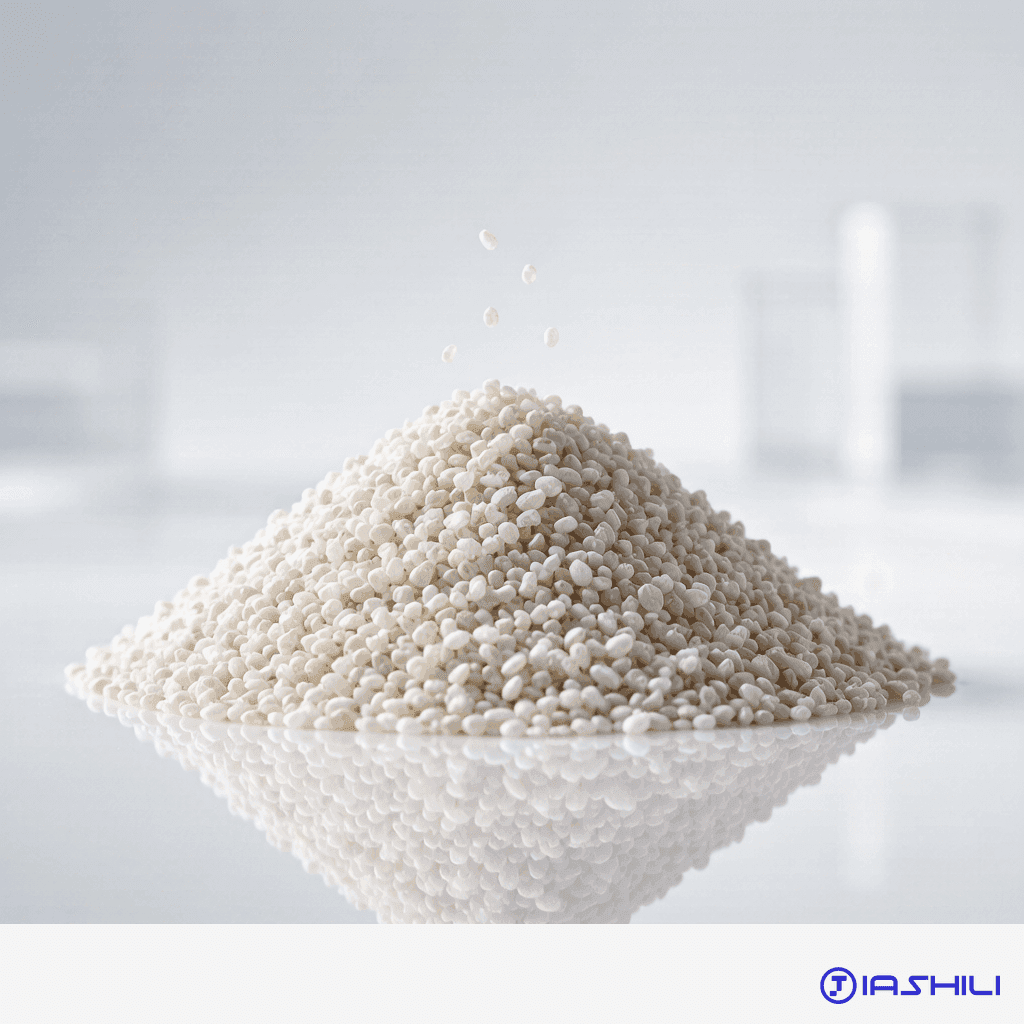 Fine Quartz Sand for Interior Coarse Putty
Fine Quartz Sand for Interior Coarse Putty
Fine Quartz Sand (for interior coarse putty, 80–120 mesh) serves as a dedicated rigid skeletal aggregate for interior coarse leveling putty. It markedly enhances the hardness and wear resistance of putty, effectively reduces shrinkage and cracking risks during thick-layer application, improves sanding smoothness, and cuts formulation costs. Due to its relatively coarse particles, it is suitable only for base-level coarse leveling and must not be used in mirror-surface putties. The recommended dosage is 8–20%, with strict control over mud and iron impurity content.
 Exterior Clear Coat
Exterior Clear Coat
Exterior Clear Coat by JIASILI. Premium quality for reliable performance.
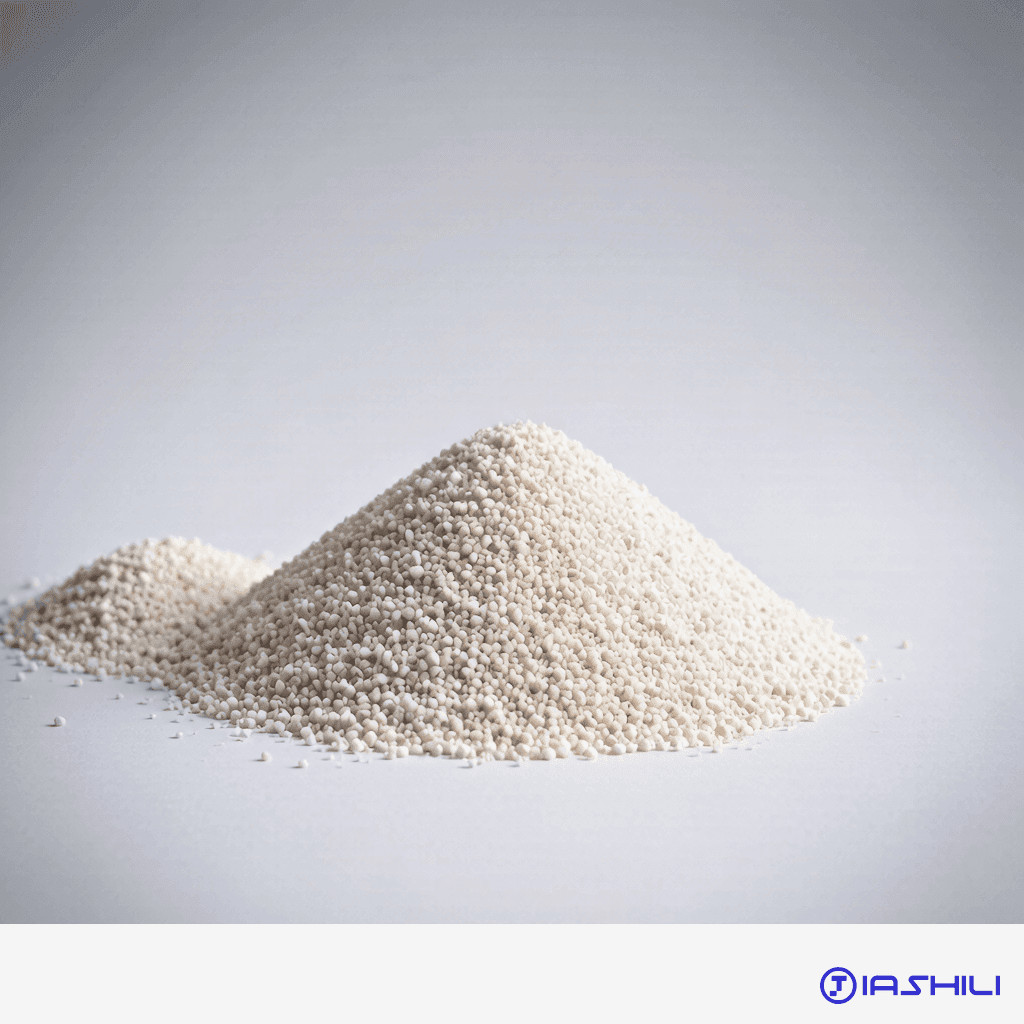 Graded Quartz Sand for Polymer Cement Waterproof Mortar
Graded Quartz Sand for Polymer Cement Waterproof Mortar
Graded Quartz Sand for Polymer Cement Waterproof Mortar is a high-precision rigid aggregate specifically developed for polymer cement waterproof mortar. Composed of 40-70 mesh and 70-120 mesh particles with ultra-low mud content and chloride ion levels, its standard dosage is 45-65%. Incorporating this product into mortar significantly refines its internal structure, reduces porosity, and greatly enhances strength, crack resistance and watertightness, ensuring long-term stability of waterproof systems and helping customers cut costs while improving efficiency.
JS Waterproof Coating (1K)JS Waterproof Coating (1K)
JS Waterproof Coating (1K) by JIASILI. Premium quality for reliable performance.
 Expanded Perlite
Expanded Perlite
Expanded perlite is a lightweight inorganic filler with A-grade fire resistance, offering exceptional thermal insulation and sound absorption properties. It effectively reduces mortar density and lowers production costs. The recommended dosage is 8-15% for roofing and indoor insulation mortars; care must be taken to limit mixing speed to prevent particle fragmentation. For exterior wall applications, glass bead insulation is advised as a substitute to avoid cracking or delamination caused by excessive water absorption.
JS Waterproof Coating (2K)JS Waterproof Coating (2K)
JS Waterproof Coating (2K) by JIASILI. Premium quality for reliable performance.
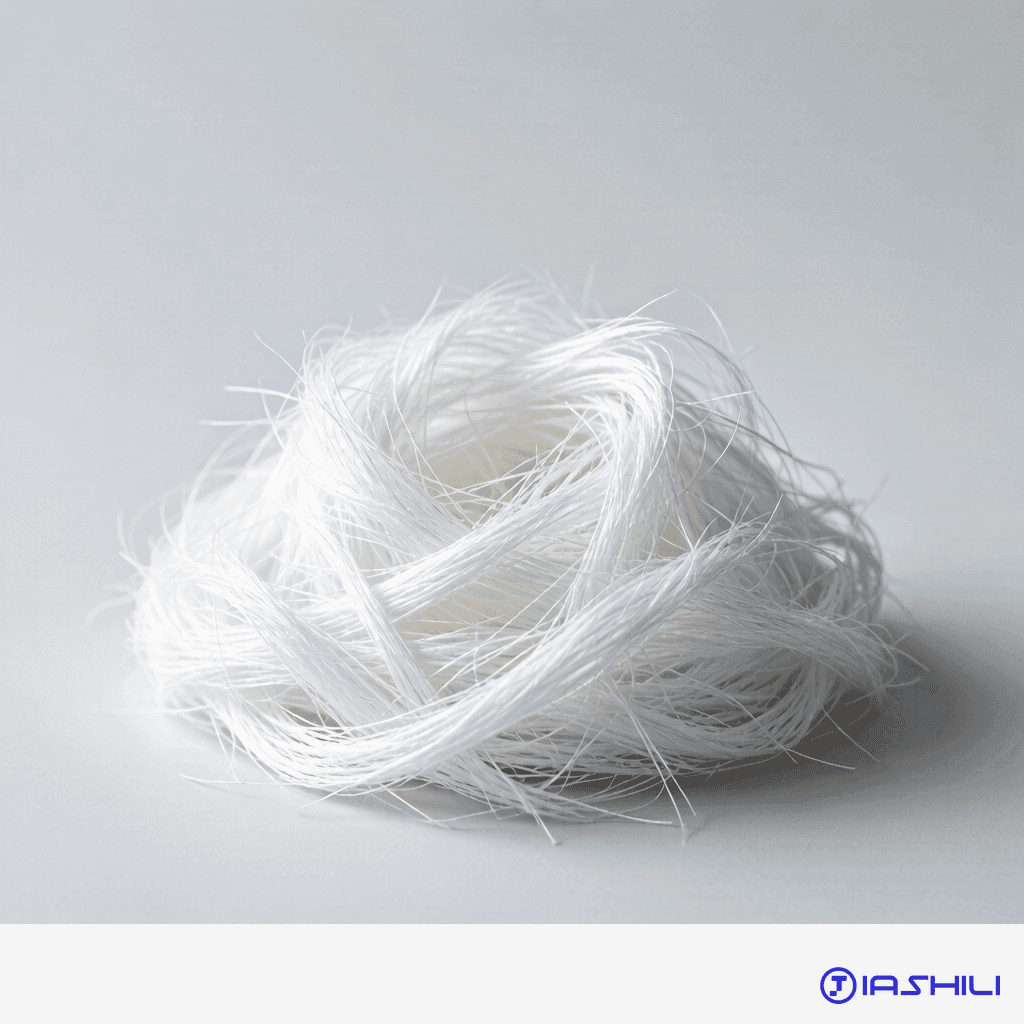 Alkali‑Resistant Chopped Glass Fiber
Alkali‑Resistant Chopped Glass Fiber
AR glass fiber is a crack-resistant reinforcing material specifically designed for mortars and thermal insulation plastering applications. It forms a three-dimensional network structure to prevent crack propagation, significantly enhancing the flexural strength, impact resistance, and crack-toughness of mortars. Meeting Class A fire safety standards, it effectively addresses the cracking issues common in thermal insulation mortars. The standard dosage is 0.2–0.4% for crack-resistant rendering mortars and 0.15–0.30% for thermal insulation mortars; low-speed, short-duration mixing is required during production to avoid damaging the fiber structure.
Waterproof MembraneWaterproof Membrane
Waterproof Membrane by JIASILI. Premium quality for reliable performance.
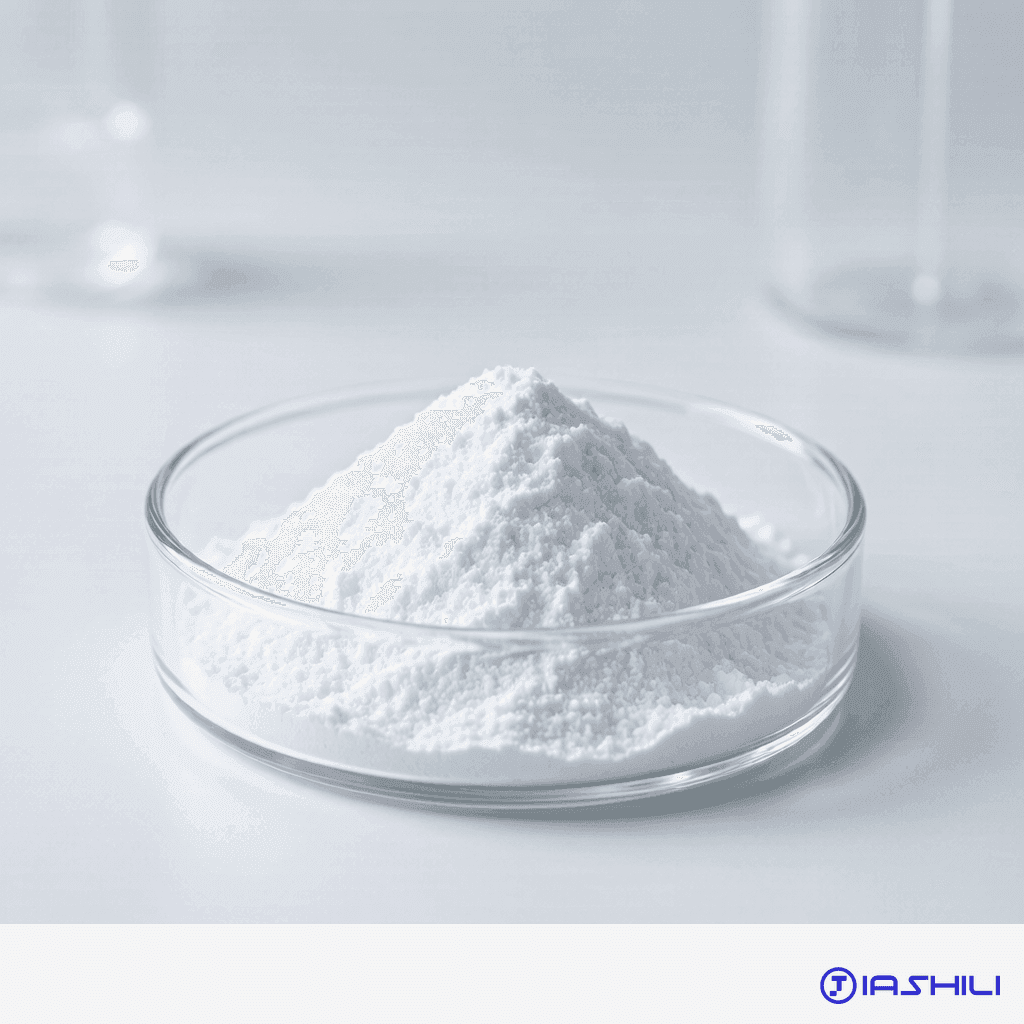 107‑Type Instant‑Soluble Building Adhesive Powder
107‑Type Instant‑Soluble Building Adhesive Powder
The 107-Type Instant-Soluble Building Adhesive Powder is a fast-dissolving bonding additive designed specifically for interior walls. It rapidly enhances the initial adhesion and surface hardness of putty and plaster mortar while improving application workability. The recommended dosage is 0.2–0.4% for putty and 0.15–0.30% for plaster mortar; it can be simply mixed dry with other powders to cut construction costs effectively.
Waterborne Industrial PaintWaterborne Industrial Paint
Waterborne Industrial Paint by JIASILI. Premium quality for reliable performance.
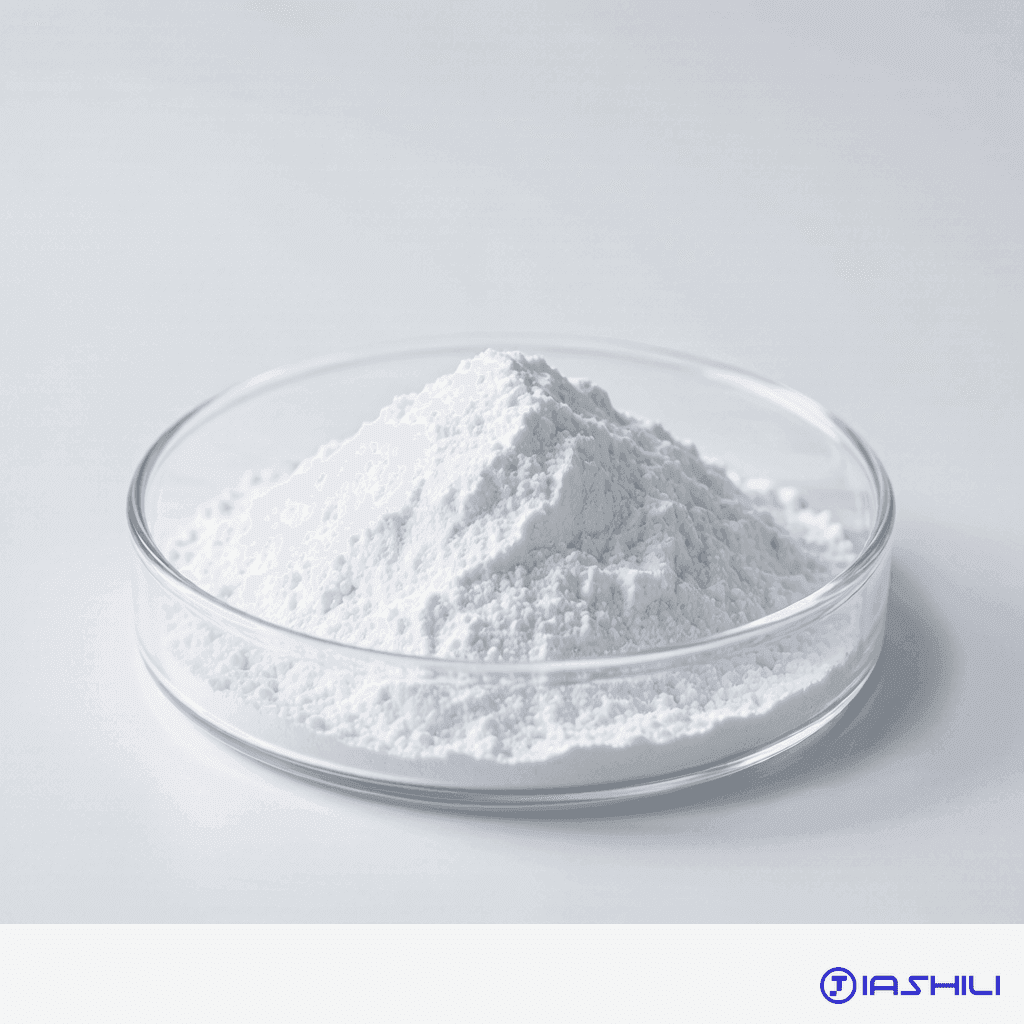 Calcium Sulfoaluminate‑Calcium Oxide Composite Expansive Agent
Calcium Sulfoaluminate‑Calcium Oxide Composite Expansive Agent
The GZJ-T01 Special Composite Expansive Agent for Grouting is a calcium sulfoaluminate-calcium oxide composite agent that utilizes controlled hydration-induced micro-expansion to precisely compensate for cement matrix shrinkage. It effectively eliminates voids, delamination, and cracks in grouted layers, greatly enhancing their density, impermeability, and anchoring stability. The recommended dosage is 4–8% for general equipment grouting and 6–10% for rebar sleeve grouting. Accurate dosing and proper moisture-proof storage are essential during application.
Waterborne Floor PaintWaterborne Floor Paint
Waterborne Floor Paint by JIASILI. Premium quality for reliable performance.
Travertine Art PaintTravertine Art Paint
Travertine Art Paint by JIASILI. Premium quality for reliable performance.
Sicilia Art PaintSicilia Art Paint
Sicilia Art Paint by JIASILI. Premium quality for reliable performance.
Rococo Art PaintRococo Art Paint
Rococo Art Paint by JIASILI. Premium quality for reliable performance.
Inorganic CoatingInorganic Coating
Inorganic Coating by JIASILI. Premium quality for reliable performance.
Silk Road Art PaintSilk Road Art Paint
Silk Road Art Paint by JIASILI. Premium quality for reliable performance.
 JSL-FS
High-Speed Disperser
The High-Speed Disperser is a core pre-dispersion equipment for paint production. It generates strong shear force via a high-speed rotating dispersing disc to rapidly mix pigments, fillers and resins uniformly, significantly improving dispersion efficiency and the quality of finished paint while reducing production costs.
 JSL-RK
Reaction Kettle
This reaction kettle is the core equipment for resin synthesis and emulsion polymerization. Equipped with a high-efficiency heating and cooling jacket, it can precisely control reaction temperature, ensuring stable chemical reactions and greatly improving product purity and batch consistency to meet the strict requirements of high-end coating production for raw material quality.
 JSL-SM
Horizontal Sand Mill
This horizontal sand mill is specifically designed for fine grinding in coating production. It can precisely control material fineness and ensure uniform dispersion of color pastes, effectively improving the quality stability and batch-to-batch consistency of coated products. It is a core equipment for coating enterprises to optimize processes and reduce defect rates.
 JSL-BT
Paint Blending Tank
This paint blending tank is a core equipment for coating production. It can efficiently complete paint formulation, color matching and uniform mixing processes. Designed with stainless steel tanks of various specifications, it features excellent corrosion resistance and easy cleaning, greatly improving production efficiency and product quality stability.
 JSL-TR
Three Roll Mill
This three roll mill is specifically designed for the fine grinding of high-viscosity paste materials. Through multiple extrusion and shearing processes by three precisely matched rollers, it can grind materials to micron-level fineness, greatly improving product uniformity and performance. It is a key equipment for producing high-quality products in the coating and ink industries.
 JSL-ST
Storage Tank
As an efficient storage tank, this drawing cylinder meets the storage and transfer needs of coating materials with different viscosities, maintaining material performance stably, preventing stratification and caking, and greatly improving production continuity. It is a core auxiliary equipment for coating production lines.
 JSL-BM
Basket Mill
The basket mill is a flexible and portable grinding equipment that can operate without fixed installation. It is especially suitable for small-batch and multi-variety production, enabling rapid fine grinding of different materials, reducing changeover costs and enhancing production flexibility.
 JSL-AF
Automatic Filling Machine
Designed specifically for the coating industry, this automatic filling machine efficiently completes the whole process of quantitative filling, precise weighing and capping of coatings, significantly reducing labor costs and improving packaging efficiency and product consistency. It is an ideal choice for the production upgrade of coating enterprises.
 JSL-DG
Dispersing & Grinding Machine
This dispersing & grinding machine integrates dispersing and grinding functions to complete high-fineness material processing in one step. It significantly saves workshop space and reduces energy and maintenance costs compared to traditional separate equipment, making it an ideal choice for the coating and ink industries to improve production efficiency.
 JSL-LT
Lab Testing Equipment
This lab testing equipment is specifically developed for the coating industry. It can be equipped with various professional instruments such as viscometers, gloss meters, color difference meters and salt spray chambers to accurately measure the viscosity, glossiness, color difference and corrosion resistance of coatings, providing reliable data support for product R&D and quality control.
 JSL-DR
Dust Removal Equipment
This dust removal equipment is specifically designed for coating production workshops. It can efficiently capture various types of dust generated during production, rapidly reduce dust concentration in the workshop, prevent safety hazards caused by dust accumulation, and minimize environmental pollution while protecting workers' health and ensuring safe production.
 JSL-EG
Exhaust Gas Treatment System
This exhaust gas treatment equipment is specifically designed for VOC waste gas treatment in the coating production industry. Through efficient adsorption and catalytic decomposition processes, it can remove over 95% of organic pollutants in waste gas, ensuring emission concentrations meet national environmental standards and helping enterprises avoid environmental penalties for compliant green production.
Can't find the right coating solution?
Our technical team can customize formulas for you, meeting special performance and cost needs.